中国外交部回应日本稀土供应问题:对日出口管制旨在制止「再军事化」和拥核企图
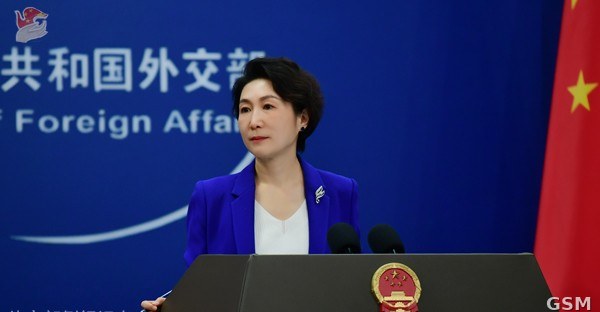
10月21日,中国外交部发言人毛宁在北京主持例行记者会。法新社记者提问时提到,有报道称,日本关键稀土元素钇的储备即将耗尽、仅能维持数月,日本方面已请求美国协助,并敦促中国放宽相关出口管制,请中方评论。
毛宁回应称,中方依法依规对日本实施出口管制,目的是制止日本「再军事化」和拥核企图。她表示,中方维护关键矿产全球产供链稳定与安全的立场没有变化,各方都有责任为此发挥建设性作用。
此次问答的背景,是英国《金融时报》10月20日的报道。据《金融时报》报道,日本的钇供应可能在数月之内耗尽,日本政府已请求美国政府和美国大型企业协助,敦促中国放宽稀土出口管制;日本政府官员和商社高管表示,最早今年年底就可能出现供应短缺。一名日本政府官员对该报表示,应对这个问题的时间不是以年计,而是以月计,库存正在减少,节约稀土用量的努力也有其限度。
据《金融时报》引用的中国海关数据,2026年1月至5月,中国对日本出口氧化钇14.1吨,较去年同期的605.3吨下降97.7%,6月对日氧化钇出口降为零。价格方面,据数据机构 Argus 的数据,氧化钇在中国以外市场的价格约为每公斤1150美元,在中国国内约为每公斤9美元。
钇是一种稀土元素,主要用于喷气发动机部件的耐热涂层、半导体制造设备中等离子刻蚀腔体的保护涂层,以及汽车传感器等部件,日本的航空、半导体和汽车相关产业对其需求较大。
今年1月6日,中国商务部发布公告,加强两用物项对日本的出口管制,禁止所有两用物项对日本军事用户、军事用途,以及其他有助于提升日本军事实力的最终用户和用途出口。中国商务部当时表示,这一决定是为维护国家安全和利益,履行防扩散等国际义务。(资料来源:中国外交部例行记者会;据《金融时报》报道)
China's Foreign Ministry Responds on Japan Rare Earth Reports: Export Controls Aim to Curb 'Remilitarization' and Nuclear Ambitions
On October 21, Chinese Foreign Ministry spokesperson Mao Ning held a regular press conference in Beijing. An AFP journalist noted reports that Japan's stockpile of yttrium, a key rare earth element, is about to run out and can last only a few more months, that Japan has asked the United States for help, and that Tokyo is urging China to relax the related export controls, and asked for China's comment.
Mao Ning responded that China implements export controls on Japan in accordance with laws and regulations, with the aim of curbing Japan's 'remilitarization' and nuclear ambitions. She said China's position on safeguarding the stability and security of global supply chains for critical minerals has not changed, and that all parties have a responsibility to play a constructive role in this regard.
The exchange followed an October 20 report by the Financial Times. According to the Financial Times, Japan could run out of yttrium within months, and the Japanese government has asked the U.S. government and major American companies to help press China to ease its rare earth export controls. Japanese government officials and trading-house executives said shortages could emerge as early as the end of this year. One Japanese government official told the newspaper that the timeline is not years but months, that stockpiles are decreasing, and that efforts to save rare earth usage have their limits.
Citing Chinese customs data, the Financial Times reported that China exported 14.1 tonnes of yttrium oxide to Japan from January to May 2026, down 97.7 percent from 605.3 tonnes in the same period a year earlier, and that exports fell to zero in June. On prices, data firm Argus put yttrium oxide at about $1,150 per kilogram outside China, against about $9 per kilogram inside China.
Yttrium is a rare earth element used mainly in heat-resistant coatings for jet engine components, protective coatings inside the plasma-etching chambers of semiconductor manufacturing equipment, and parts such as automotive sensors — materials on which Japan's aviation, semiconductor and auto-related industries rely heavily.
On January 6 this year, China's Ministry of Commerce announced tighter export controls on dual-use items bound for Japan, prohibiting exports of all dual-use items to Japanese military users, for military purposes, and to any other end users or end uses that would contribute to enhancing Japan's military capabilities. The ministry said at the time that the decision was made to safeguard national security and interests and to fulfill international obligations such as non-proliferation. (Sources: Chinese Foreign Ministry regular press conference; reporting by the Financial Times.)
来源:GSM·美国(原文链接)
图片来源:图:中国外交部发言人毛宁在例行记者会上。照片:中国外交部官网。Photo: Chinese Foreign Ministry spokesperson Mao Ning at a regular press conference. Photo: Ministry of Foreign Affairs of China (fmprc.gov.cn).
GSM Global · 本篇英文版 English edition of this story