韩国釜山鲨鱼 Bukangi 重返大海:滞留北港水道逾一个月,第三次引导行动成功
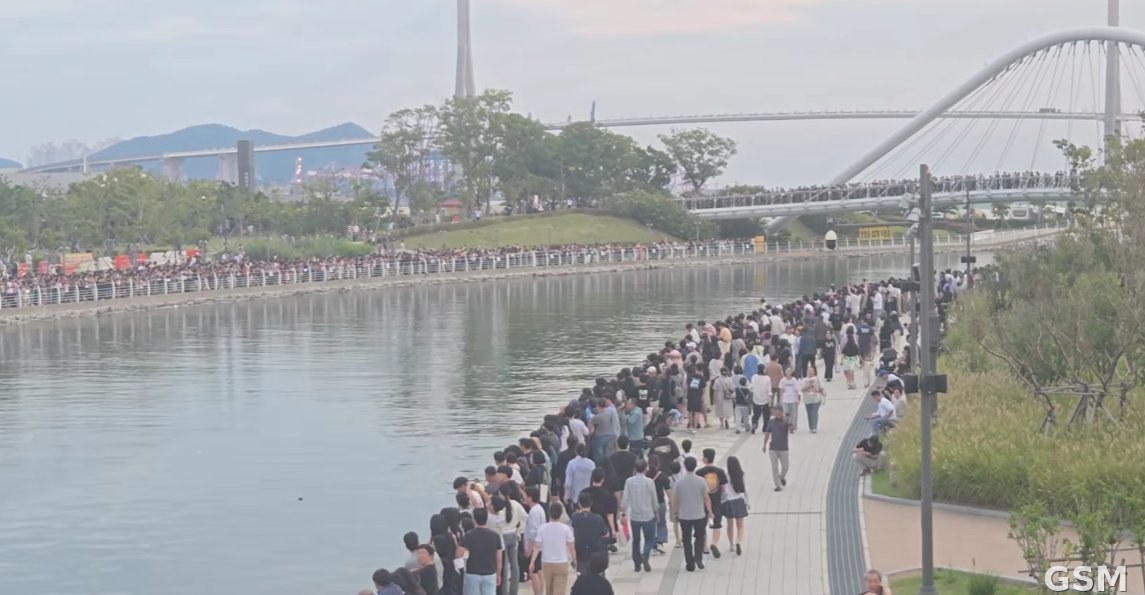
韩国釜山北港亲水公园水道,一条被昵称为 Bukangi 的鲨鱼在滞留一个多月后,于10月21日被引导返回外海方向。韩国海洋水产部表示,此前的两次引导行动未能成功,第三次行动把鲨鱼引导超过1公里,并设置三层拦网,防止它游回内侧水道。海洋水产部海洋生态课长 Kim Hyun-sung 表示,救援人员已把 Bukangi 推过此前阻挡它出海的淤泥帘,行动取得成功,部门将继续监测它是否自行游完剩余距离。
Bukangi 于9月18日首次在北港水道被发现。据釜山基础设施公团统计,截至10月20日,超过160万人来到亲水公园观看这条鲨鱼。韩国国立水产科学院鉴定,Bukangi 是一条雌性灰鲨(dusky shark),体长约3米;该物种栖息于热带、亚热带与温带水域,被国际自然保护联盟列为濒危物种。这条水道位于釜山市中心,邻近高层建筑与一座高速铁路车站,鲨鱼长期停留在此并不寻常。釜山市方面表示,鲨鱼长期未被观察到进食,加上水温下降可能影响其健康,有必要将其引导出海;韩国媒体报道称,它的鳍和吻部有轻微伤。
当局曾于9月29日用水炮船引导,未能成功;10月2日的第二次行动使用长50米、高6.8米的拦网,但网具被水下岩石勾住,被迫中止。第三次行动由海洋水产部与国立海洋生物多样性研究所主导,改走水下障碍较少的方向,使用系于浮台的拦网与8名专业潜水员引导,并出动无人机追踪鲨鱼位置。国立水产科学院的记录显示,今年上半年韩国东海岸大型鲨鱼目击次数为46次,去年同期为12次;专家表示,海水变暖可能是目击增多的因素之一。一名从首尔四度前往釜山观看 Bukangi 的游客对媒体表示,得知它重返大海后松了一口气。(据路透社与 Korea JoongAng Daily 报道)
Busan Shark Bukangi Returns to Sea: Third Rescue Succeeds After More Than a Month in North Port Canal
A shark nicknamed Bukangi, which had spent more than a month in the canal at Busan's North Port Waterfront Park in South Korea, was guided back toward the open sea on October 21. South Korea's Ministry of Oceans and Fisheries said two earlier attempts had failed, and that in the third operation rescuers guided the shark more than one kilometre and installed three layers of netting to keep it from swimming back into the inner waterway. Kim Hyun-sung, director of the ministry's Marine Ecology Division, said the shark had been pushed past the silt curtain that had blocked its route to the sea and that the operation was a success, adding that officials would monitor whether it swims the remaining distance on its own.
Bukangi was first spotted in the North Port waterway on September 18. According to the Busan Infrastructure Corporation, more than 1.6 million people visited the waterfront park through October 20 to see the shark. The National Institute of Fisheries Science identified Bukangi as a female dusky shark measuring about 3 metres; the species, found in tropical, subtropical and temperate waters, is classified as endangered by the International Union for Conservation of Nature. The canal sits in central Busan, close to high-rise buildings and a major high-speed rail station, making the shark's long stay unusual. City officials said the shark had not been observed feeding and that falling temperatures could affect its health, making the operation necessary; South Korean media reported minor injuries to its fin and snout.
Authorities first tried to guide the shark out on September 29 using vessels equipped with water jets, without success. A second attempt on October 2 used a net 50 metres long and 6.8 metres high, but the operation was halted after the net snagged on rocks on the canal floor. The third attempt, led by the Oceans Ministry and the National Marine Biodiversity Institute of Korea, took the opposite route with fewer underwater obstacles, using a net mounted on floating platforms, eight professional divers and drones to track the shark. The fisheries institute recorded 46 sightings of large sharks along South Korea's east coast in the first half of this year, compared with 12 in the same period last year, and experts have cited warming seas as one possible factor. A visitor from Seoul who had travelled to Busan four times to see Bukangi told media she was relieved it had returned to the sea. (Reporting by Reuters and the Korea JoongAng Daily)
来源:GSM·美国(原文链接)
图片来源:韩国釜山北港亲水公园水道实景,岸边为围观人群,Bukangi 曾在此水道滞留逾一个月。图片来源:Wikimedia Commons 文件 2026 북항친수공원.png,CC BY 4.0 授权
GSM Global · 本篇英文版 English edition of this story