新加坡工资理事会建议:月入不逾2800新元员工加薪6%至8% 政府已接纳
新加坡——新加坡全国工资理事会(工资理事会 NWC)10月19日公布2026/2027年度工资指导原则,建议雇主为月入不逾2,800新元的低薪员工提供6%至8%的内置加薪,为2021年以来最高的建议加幅百分比。新加坡政府已接纳有关建议;指导原则涵盖公营与私营部门,适用期为2026年12月1日至2027年11月30日,属建议性质,并无法定强制力。2,800新元的门槛相当于新加坡全职受雇公民收入的第20百分位。
按企业表现分档:表现良好、前景正面的企业,应按建议幅度高端加薪,或至少加薪135至170新元,以较高者为准;表现欠佳但仍有盈利的企业,应按建议幅度低端加薪,或至少加薪120新元,以较高者为准。理事会今年首次单设一档:表现欠佳且亏损的企业,也应为低薪员工提供至少120新元的内置加薪。理事会并呼吁雇主在业务前景改善时,检讨薪金并考虑进一步加薪。
工资理事会由政府、雇主与工会三方代表组成,今年8月至10月开会拟定建议。人力部(人力部 MOM)常任秘书 Stanley Loh 在记者会上表示,去年建议低薪员工加薪5.5%至7.5%的指导原则,采纳率仅约四分之一,另有约六成雇主虽有加薪,但未达建议水平。全国职工总会(职总 NTUC)表示支持新建议,认为这是改善工人生计、收窄工资差距的积极一步,并呼吁雇主肯定员工贡献,让所有员工公平分享经济与生产力增长成果,同时为员工预留受训时间,应对超级智能带来的变化。
工资理事会同时建议,企业应全面采纳灵活工资制度,设年度与每月可变动薪酬部分,以便按业务状况调整工资、在经济下行时保住职位。理事会表示,大多数机构在检讨工资时都会参考其建议。
Singapore Wage Council Recommends 6% to 8% Pay Rise for Workers Earning Up to S$2,800: Government Accepts
SINGAPORE — Singapore's National Wages Council (NWC) released its 2026/2027 wage guidelines on October 19, recommending that employers give lower-wage workers earning up to S$2,800 a month built-in pay increases of 6 to 8 per cent — the highest recommended percentage range since 2021. The Singapore government has accepted the recommendations. The guidelines cover both the public and private sectors and apply from December 1, 2026 to November 30, 2027; they are advisory rather than legally binding. The S$2,800 threshold corresponds to the 20th percentile of full-time employed Singapore citizens.
The recommendations are tiered by business performance. Employers that have done well and have positive prospects should raise pay at the higher end of the range, or by at least S$135 to S$170, whichever is higher. Those that have not done well but remain profitable should give increases at the lower end of the range, or at least S$120, whichever is higher. For the first time, the guidelines carve out a separate category for firms that have performed poorly and are unprofitable: they, too, should give lower-wage workers a built-in increase of at least S$120. Employers are also urged to review salaries and consider further increases if business prospects improve.
The NWC, a tripartite body of government, employer and union representatives, met from August to October to draw up the guidelines. Stanley Loh, Permanent Secretary at the Ministry of Manpower (MOM), told a press conference that only about a quarter of employers adopted last year's guidelines, which proposed increases of 5.5 to 7.5 per cent for lower-wage workers, while another 60 per cent raised wages but not to the recommended levels. The National Trades Union Congress (NTUC) backed the new recommendations as a positive step towards improving workers' livelihoods and narrowing the wage gap, and urged employers to share productivity gains fairly with all workers, including professionals, managers and executives, and to protect training time as super intelligence reshapes jobs.
The council also urged companies to fully adopt the flexible wage system, with annual and monthly variable components, so wages can be adjusted with business conditions and jobs preserved during downturns. NWC Chairman Peter Seah has noted that most organisations pay attention to the council's recommendations when reviewing wages.
来源:GSM·美国(原文链接)
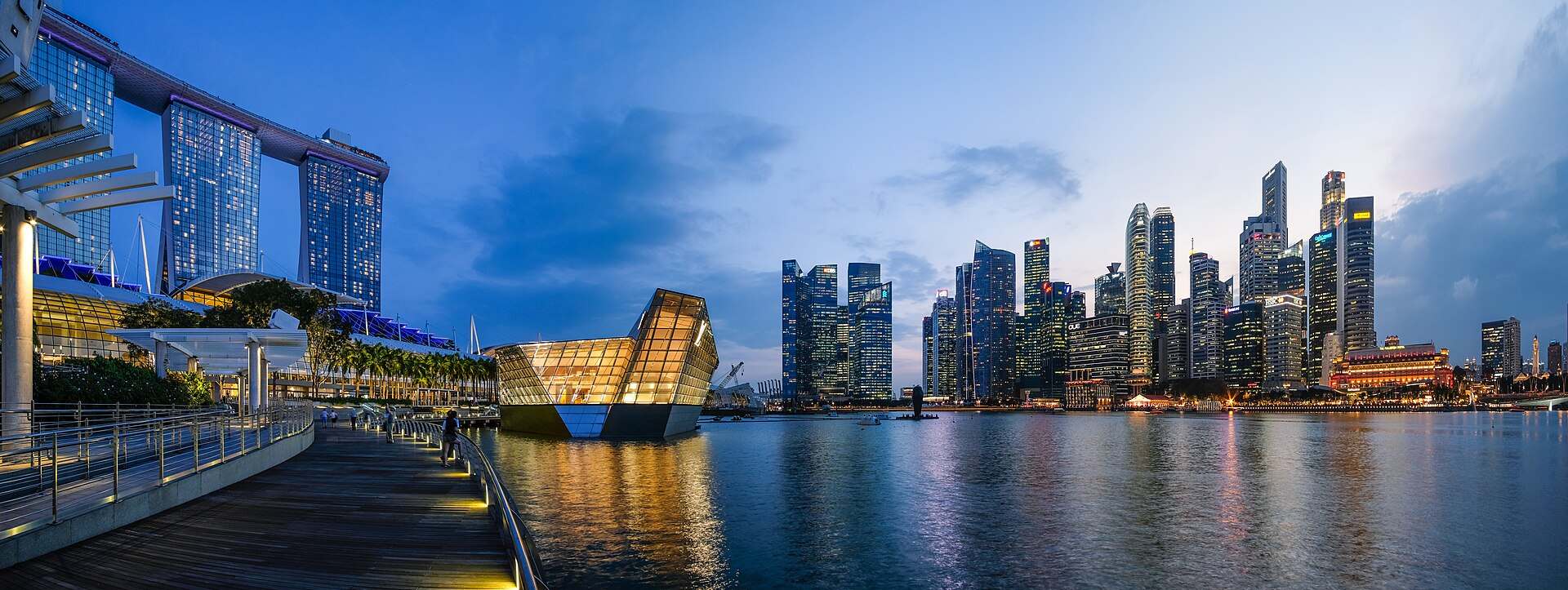
图片来源:新加坡滨海湾。照片:Benh LIEU SONG/Wikimedia Commons(CC BY-SA 4.0)。Marina Bay, Singapore. Photo: Benh LIEU SONG / Wikimedia Commons (CC BY-SA 4.0).
GSM Global · 本篇英文版 English edition of this story