秘鲁亚马逊原住民基本收入试点评估公布:211人两年无条件现金补助,食物不安全近乎减半
Lima——慈善机构 Cool Earth 与英国巴斯大学(University of Bath)10月20日公布评估结果:在秘鲁中部亚马逊地区 Junín 省 Asháninka 地区三个原住民社区推行两年的无条件基本收入试点显示,参与者的食物安全明显改善,约九成参与者自发采取了植树复绿、减少焚林等有利于森林保护的做法。组织方称,这是全球首个面向亚马逊原住民的基本收入试点。
试点自2023年11月起运行,覆盖 Asháninka 与 Yanesha 社区共211名成年居民,每人每四个月收到一笔1,032秘鲁索尔(约280美元,约合每天2英镑)的现金,共发放六笔,款项用途不设任何条件。项目由 Cool Earth 与秘鲁原住民妇女组织 ONAMIAP、OMIAASEC 共同设计,并配套自愿参加的「Cash Plus」培训,内容包括财务管理、原住民权利、社区治理、环境保护与气候变化;资金来自 Liberty Specialty Markets 与 People's Postcode Lottery。
巴斯大学基本收入研究组(UBI Bath)的分析显示,试点期间食物不安全程度下降近一半;被迫离家外出打零工的人占比从43%降至18%;约90%的参与者参与了泉眼补植、护水等集体环境行动。报告共同作者 Dr Nick Langridge 表示,当社区拥有更大的安全感与自主权时,他们更有能力保护赖以生存的生态系统。
评估方同时说明,这是一项小规模、无对照组的初步研究,研究期间并未直接测量森林覆盖变化,结论仍属早期证据。组织方表示,希望这一「保护型基本收入」模式能为亚马逊雨林地区的减贫与森林保护提供可复制的融资思路,后续是否扩大规模尚待更多数据支持。
来源:据 Cool Earth 2026年10月20日发布及巴斯大学评估摘要整理。
Peru Amazon Basic Income Pilot Evaluation Released: 211 Indigenous People Received Unconditional Cash for Two Years, Food Insecurity Nearly Halved
Lima — An evaluation released on October 20 by charity Cool Earth and the University of Bath found that a two-year unconditional basic income pilot in three Indigenous communities in Peru's Asháninka region, in Junín Province in the central Peruvian Amazon, significantly improved food security, with about 90 percent of participants voluntarily adopting forest-friendly practices such as reforestation and reduced burning. The organizers describe it as the world's first basic income pilot for Amazonian Indigenous peoples.
Running from November 2023, the pilot covered 211 Asháninka and Yanesha adults, each receiving six transfers of 1,032 Peruvian soles (about $280, roughly £2 a day) every four months, with no conditions on how the money was spent. The programme was co-designed by Cool Earth with the Indigenous women's organizations ONAMIAP and OMIAASEC, and paired with voluntary 'Cash Plus' training covering financial management, Indigenous rights, governance, conservation and climate change. Funding came from Liberty Specialty Markets and the People's Postcode Lottery.
Analysis by UBI Bath, the University of Bath's Universal Basic Income research group, found food insecurity fell by nearly half during the pilot, the share of people forced to leave home for casual work dropped from 43 percent to 18 percent, and about 90 percent of participants joined collective environmental action such as replanting springs and protecting water sources. Dr Nick Langridge, a co-author of the report, said that when communities have greater security and autonomy, they are better able to protect the ecosystems they depend on.
The evaluators note the study was small, had no comparison group and did not measure the forest directly, so the findings are preliminary evidence for what they call 'conservation basic income.' The organizers say they hope the model can offer a replicable financing approach for poverty reduction and rainforest protection in the Amazon, with any scale-up dependent on further data.
Source: Compiled from Cool Earth's October 20, 2026 release and the University of Bath evaluation summary.
来源:GSM·美国(原文链接)
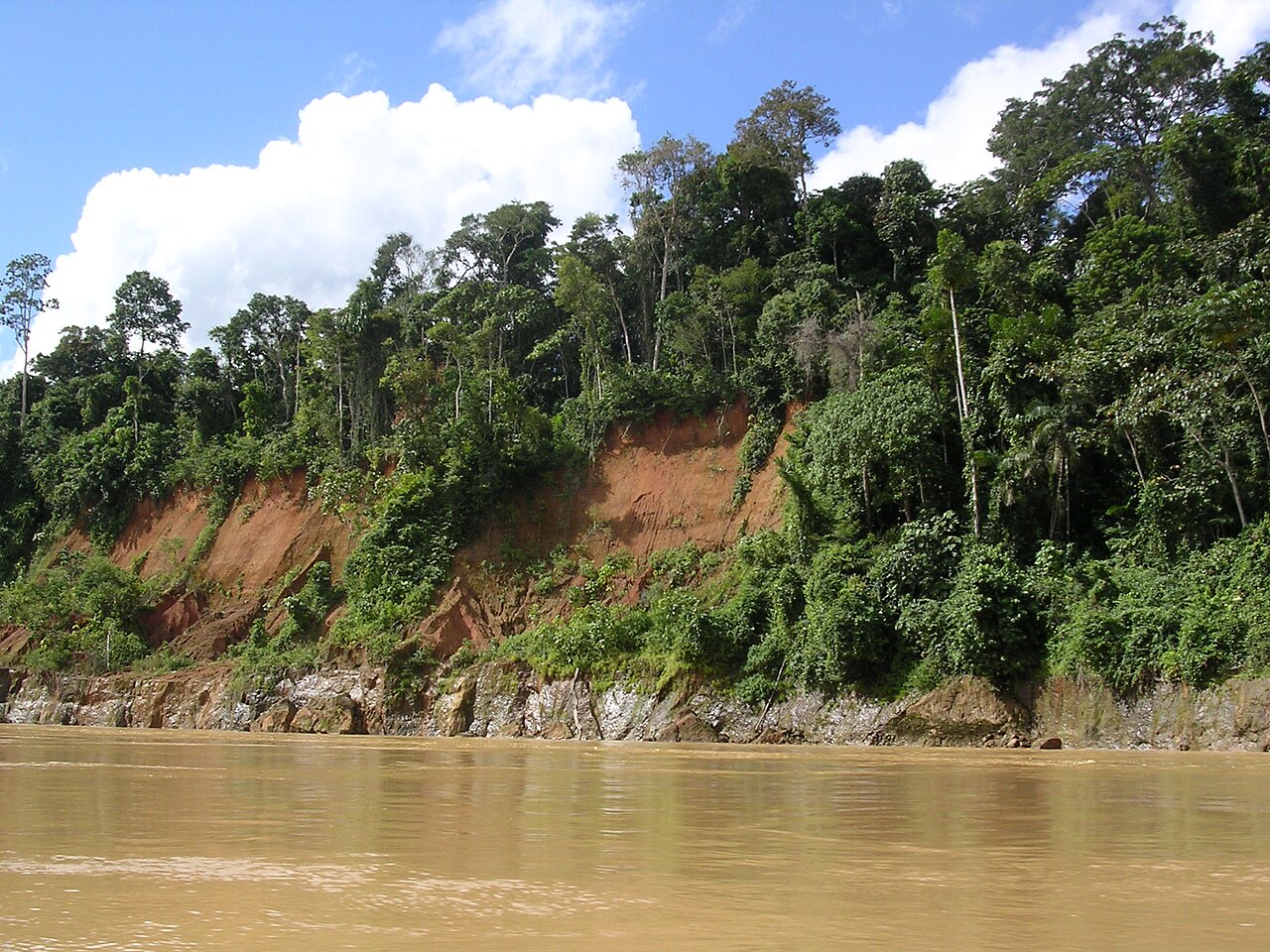
图片来源:资料图:秘鲁亚马孙河流域(Rio Madre de Dios),Roosevelt Garcia 摄,公共领域(Wikimedia Commons)
GSM Global · 本篇英文版 English edition of this story