航天局NASA模拟火星任务满一年:四名队员在Houston栖息舱度过365天,10月31日出舱
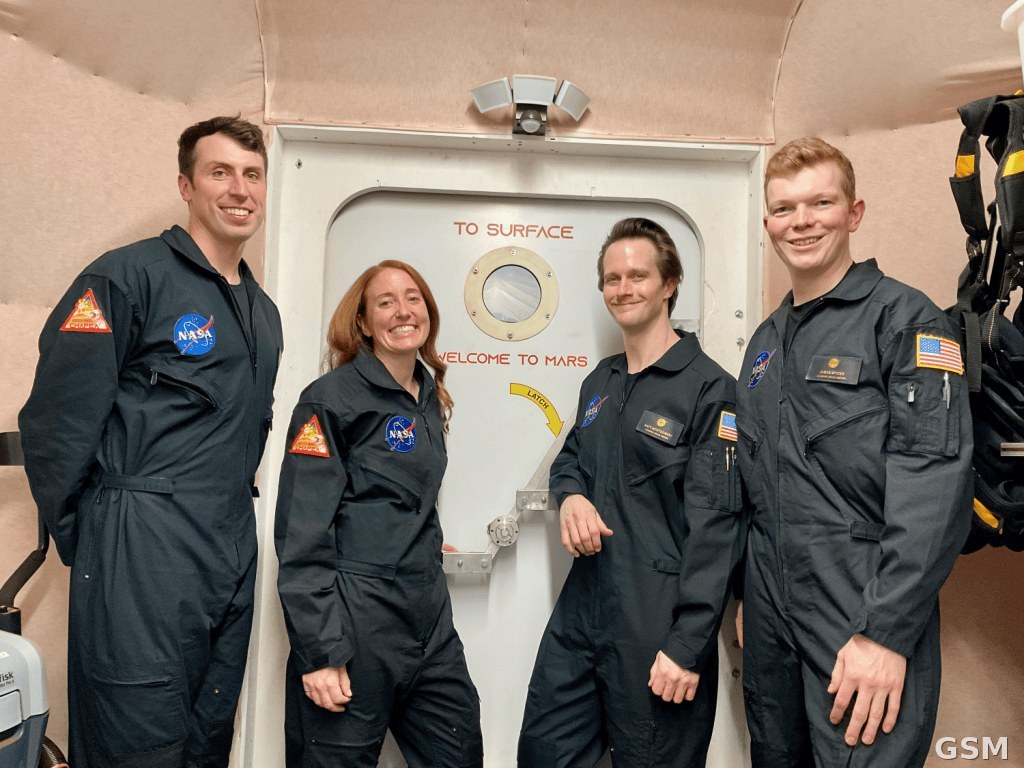
美国国家航空航天局(NASA)10月19日表示,其模拟火星任务的四名队员已在位于 Houston 的 Johnson Space Center 的栖息舱内度过整整365天。这项名为「乘员健康与表现探索模拟」(CHAPEA)的第二次任务为期378天,队员于2025年10月19日进舱,按计划将于10月31日出舱、结束任务。
四名队员分别是指挥官 Ross Elder、医疗官 Ellen Ellis、科学官 Matthew Montgomery 与飞行工程师 James Spicer。他们住在约1700平方英尺的3D打印栖息舱「火星沙丘阿尔法」(Mars Dune Alpha)内,过去一年按在火星上生活的方式工作:自己种植作物、管理有限的资源、应对与地面之间的通信延迟,并穿着舱外活动服在模拟火星表面进行舱外活动。这一年里,他们与家人只能通过带有火星式时间延迟的电子邮件联系。
CHAPEA 首席研究员 Grace Douglas 表示,团队为队员过去一年在快节奏、高要求任务中的投入与成绩感到非常自豪,整个 CHAPEA 团队期待在出舱时当面向他们祝贺。NASA 人类研究计划首席科学家 Michael Stenger 表示,这项任务帮助研究人员理解为期一年的长期任务在医疗与心理照护等方面的需求,相关经验将用于月球基地及更远的探索。
NASA 表示,科学团队将处理任务期间收集的队员健康与表现数据,包括食物与锻炼系统受限对任务目标的影响,以及长时间通信延迟下如何支持队员自主决策。队员出舱后将先与家人团聚,随后进行为期两周的任务后评估与汇报;10月31日的出舱仪式将通过 NASA 的 YouTube 频道直播。
NASA's Simulated Mars Crew Marks One Year Inside Habitat, Exit Set for October 31
NASA said on October 19 that the four crew members of its simulated Mars mission have spent a full 365 days inside their habitat at the Johnson Space Center in Houston. The mission, the second under the Crew Health and Performance Exploration Analog (CHAPEA) program, runs 378 days: the crew entered on October 19, 2025, and is scheduled to exit on October 31, concluding the mission.
The crew members are Ross Elder, mission commander; Ellen Ellis, medical officer; Matthew Montgomery, science officer; and James Spicer, flight engineer. They have lived in the roughly 1,700-square-foot 3D-printed habitat known as Mars Dune Alpha, operating as though they were on the Red Planet: growing crops, managing limited resources, navigating communication delays with Earth, and conducting suited extravehicular activities on a simulated Martian surface. Throughout the year, their only contact with their families has been by email, subject to a Mars-like communication delay.
“We are extremely proud of the crew for their commitment and achievements over the last year on such a fast-paced, highly demanding mission,” said Grace Douglas, CHAPEA principal investigator. “The entire CHAPEA team is excited to congratulate the crew in person.” Michael Stenger, chief scientist for NASA’s Human Research Program, said the mission has been valuable in teaching the agency the requirements of year-long missions, including medical and psychological care delivered across communication delays, and that the knowledge will translate to a Moon base and beyond.
NASA said science teams will process the health and performance data collected on the crew, including how limited food and exercise systems affect mission objectives and how best to support crew decision-making with communication delays of up to 45 minutes each way. After exiting, the crew will reconnect with their families and then begin two weeks of post-mission evaluations and debriefs with NASA scientists. The October 31 egress ceremony will be streamed on NASA’s YouTube channel.
来源:GSM·美国(原文链接)
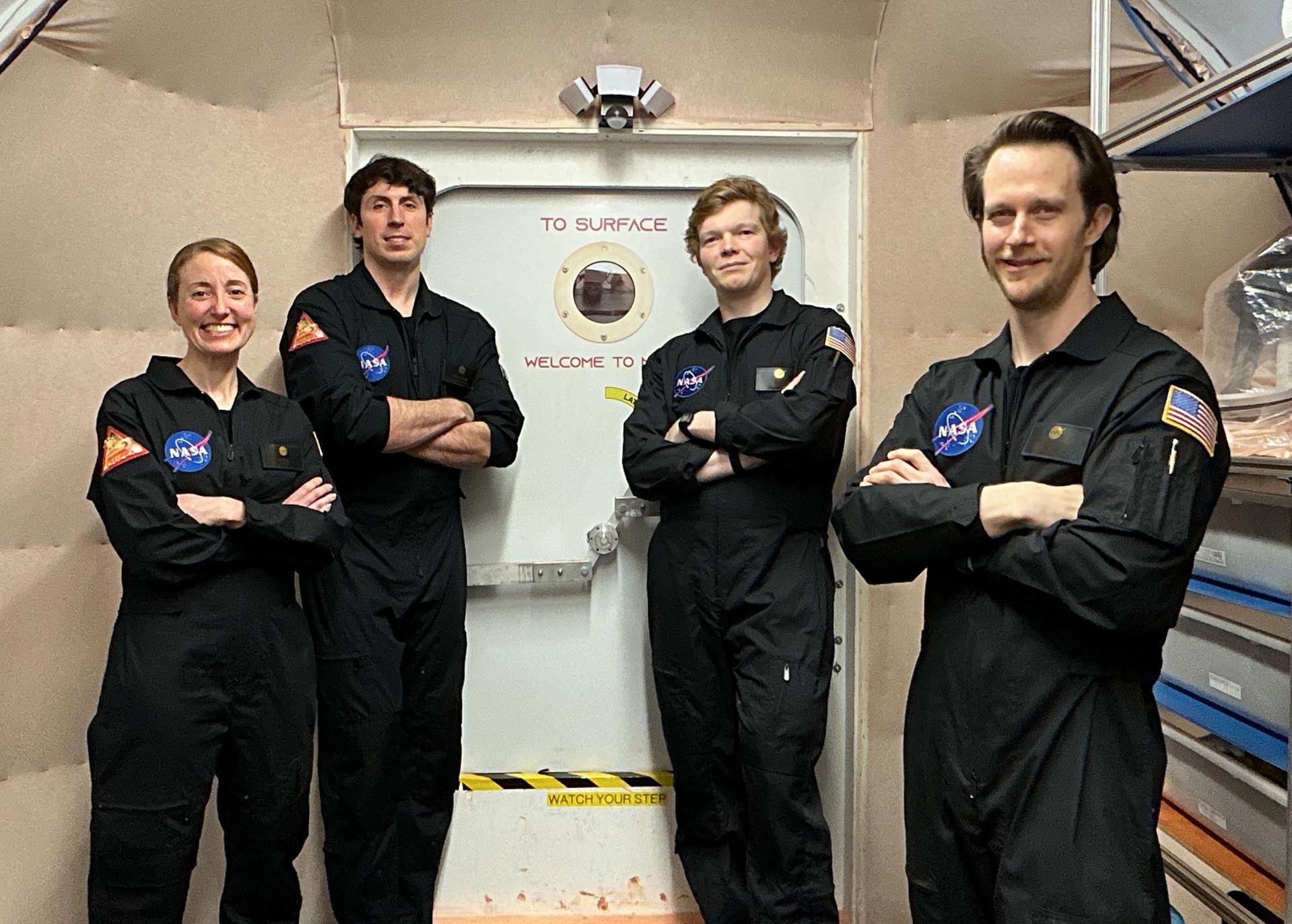
图片来源:CHAPEA第二次任务四名队员在栖息舱内合影(2026年3月14日,左起 Ellen Ellis、Ross Elder、James Spicer、Matthew Montgomery)。照片:美国国家航空航天局(NASA)官方发布,公共领域(NASA 图片编号 jsc2026e403170)/The CHAPEA Mission 2 crew poses inside the habitat on March 14, 2026 (from left: Ellen Ellis, Ross Elder, James Spicer, and Matthew Montgomery). Photo: NASA, public domain (NASA image jsc2026e403170)
GSM Global · 本篇英文版 English edition of this story