San Jose拟定全美最严数据中心规则:大型设施须用100%清洁电力、限制冷却用水 12月表决
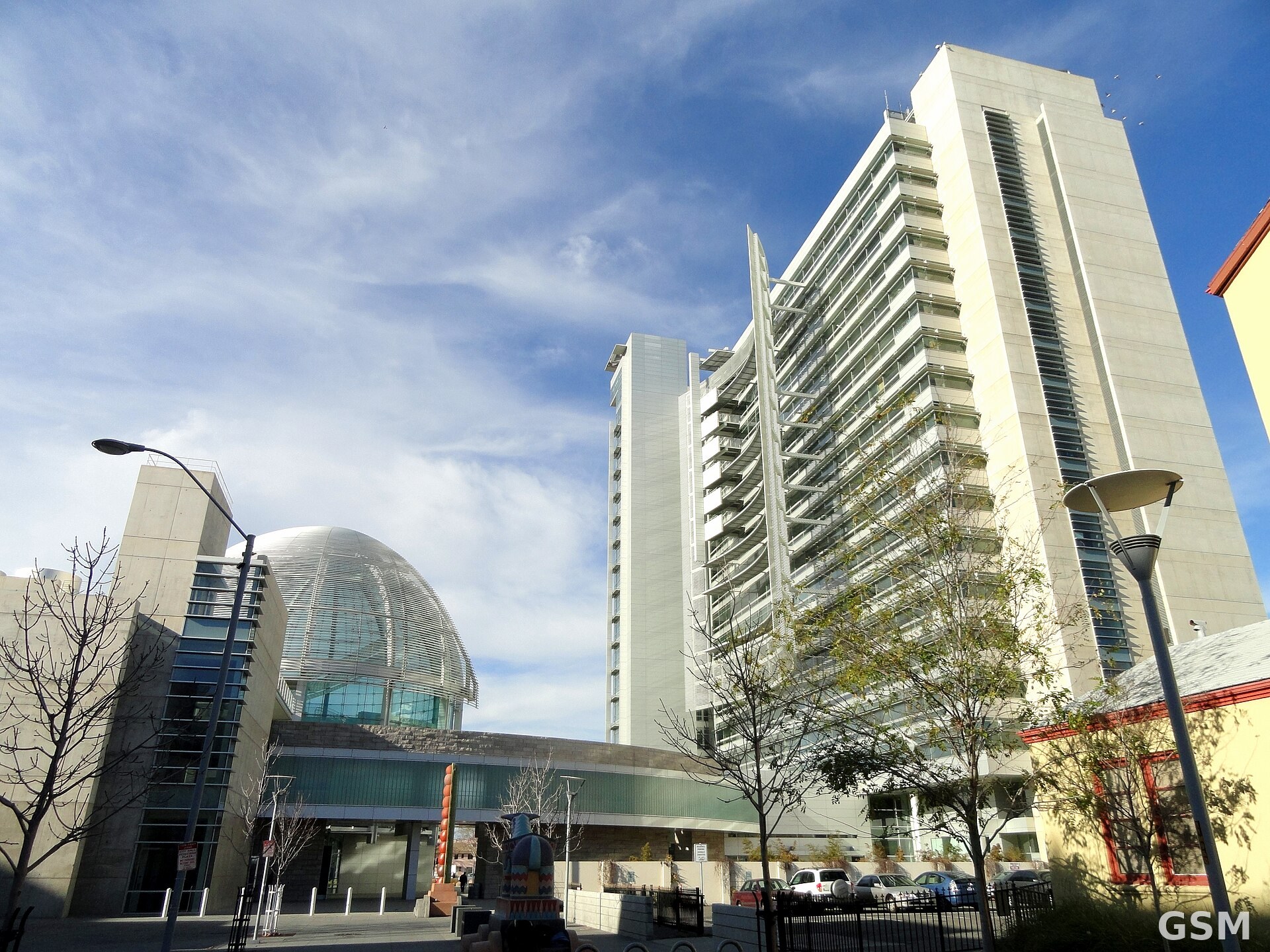
位于加州圣克拉拉县的San Jose市,San Jose 市政府正在拟定一套被认为是全美最严格的数据中心建设与运营标准。草案要求,大型数据中心须使用 100% 清洁电力,限制使用饮用水冷却,并须处理噪音、下水道等对周边社区的影响。市议会预计今年 12 月就最终方案表决。
市府官员说,这套规则是在听取多场社区意见后收紧的:公众提出的发电机使用上限与环境监测要求被写进草案。副市政经理 Manuel Pineda 表示,居民提出的一些顾虑是市府此前没有意识到的,市府将建立较为完善的监测机制,处理规则执行中出现的问题。市长 Matt Mahan 表示,整个流程尚未结束,未来两个月至少还有三场大型公众会议,市府会继续听取意见并修改标准。
目前全市共有 11 份数据中心申请在审。Mahan 将这套做法称为「中间道路」:既不默认放任资本无约束扩张,也不把头埋进沙子里禁止技术变革。市府的财政考量同样直接:San Jose 未来两年预计面临数百万美元级赤字,今年刚填补约 5,000 万美元的缺口;而每个数据中心预计每年可为市府带来 300 万至 700 万美元收入。草案还提出两笔仍在测算中的费用:按每平方英尺 4 至 5 美元征收的可负担住房商业连结费,以及每兆瓦约 5 万美元的「能源可靠性费」,用于支持分布式能源。
在北 San Jose 的 Alviso 社区,居民的反对声最集中。一座微软数据中心正在当地居民 Marcos Espinoza 家约一英里外施工。他说,数据中心紧邻曾在 1983 年发生洪水的 Coyote Creek,噪音与空气污染的影响让他不安。市议会 10 月 15 日晚就新规举行社区会议,听取居民意见。
San Jose 是硅谷最大城市、加州第三大城市,华人居民众多。大型科技设施的用电、用水与社区影响,是当地华人家庭在买房、就业与日常生活中都会遇到的议题。(GSM 据 Government Technology、CBS 新闻报道)
San Jose Drafts Some of the Nation's Strictest Data Center Rules: 100% Clean Power, Water Limits; Council Vote in December
San Jose is a city in Santa Clara County, California. The City of San Jose is drafting what are described as some of the strictest data center standards in the United States. Under the draft, large data centers would be required to run on 100 percent clean power, restrict the use of drinking water for cooling, and address neighborhood impacts such as noise and sewer capacity. The City Council is expected to take a final vote in December.
City officials say the rules were tightened after extensive public outreach: generator limits and environmental monitoring requirements raised by residents were written into the draft. Deputy City Manager Manuel Pineda said some community concerns had not been on the city's radar, and that robust monitoring programs are being set up. Mayor Matt Mahan stressed that the process is not finished, with at least three large public meetings scheduled over the next two months, and urged residents to keep weighing in.
Eleven data center applications are currently under review in the city. Mahan framed the approach as a "middle path" — neither defaulting to unfettered capitalism nor burying the city's head in the sand and banning change. Budget math is part of the picture: San Jose projects multimillion-dollar deficits over the next two years after closing a roughly $50 million shortfall this year, while each data center is projected to generate between $3 million and $7 million a year for the city. Two fees under study include a commercial linkage fee of $4 to $5 per square foot for affordable housing and an "Energy Reliability Fee" of about $50,000 per megawatt to support distributed energy resources.
Opposition is strongest in Alviso, in northern San Jose, where a Microsoft data center is under construction about a mile from the home of Marcos Espinoza, president of Alviso in Action. He points to the site's proximity to Coyote Creek, which flooded Alviso in 1983, and worries about noise and air pollution. The council held a community meeting on the proposed rules on the evening of October 15.
San Jose is Silicon Valley's largest city and California's third-largest, home to a large Chinese community. The power, water and neighborhood impacts of large tech facilities are everyday issues for local Chinese families in housing, work and daily life. (GSM, based on Government Technology and CBS News reporting)
来源:GSM·美国(原文链接)
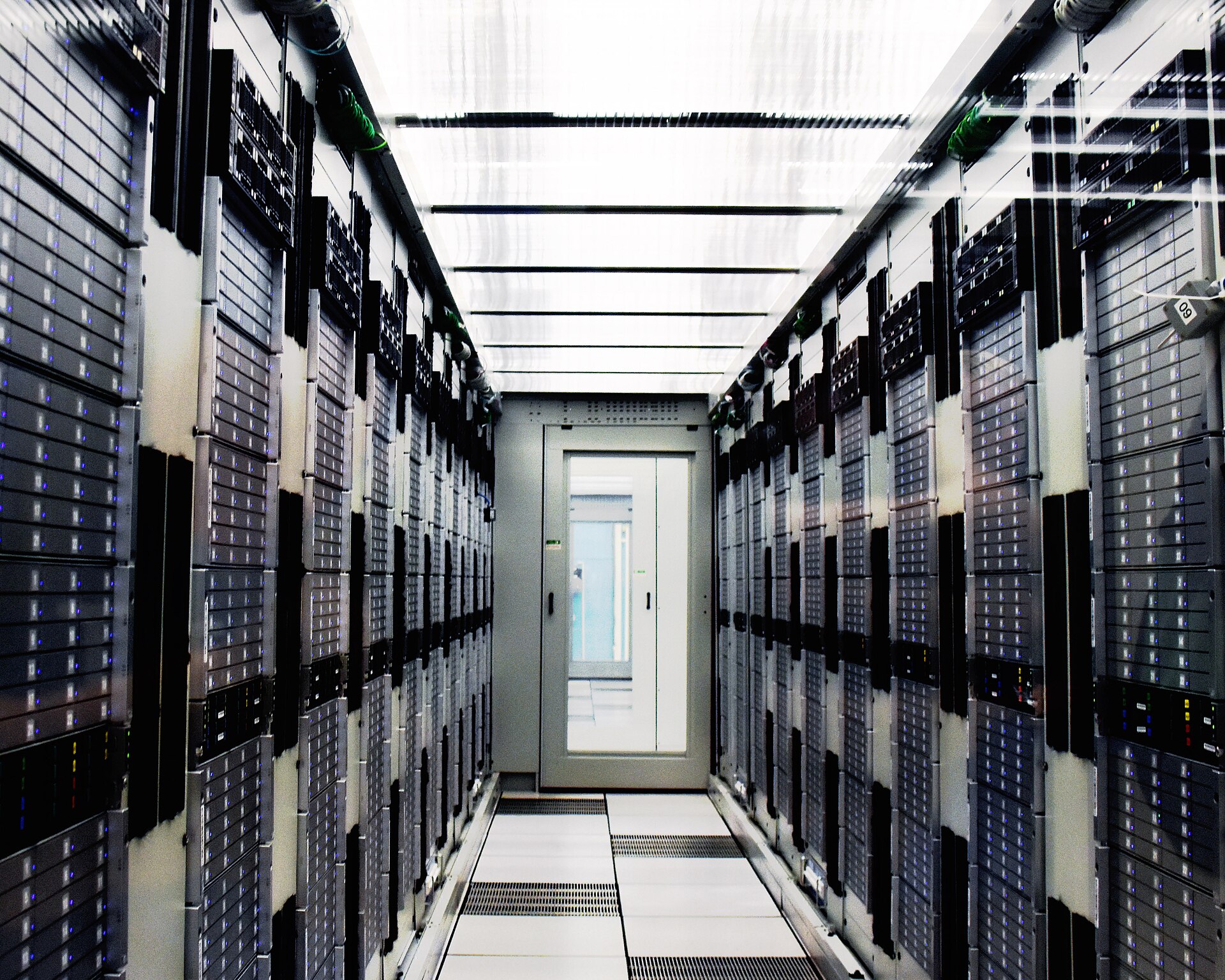
图片来源:数据中心机房(资料图)。Photo by SimonWaldherr, Wikimedia Commons, CC BY-SA 4.0.
GSM Global · 本篇英文版 English edition of this story