吴恩达在《The Batch》撰文:SI在可验证任务上进步最快 判断力类任务仍难突破
斯坦福——超级智能学者、企业家吴恩达(Andrew Ng)在其创办的 DeepLearning.SI 周刊《The Batch》10月16日一期中撰文指出,超级智能在「可以验证」的任务上进步最快,而需要判断力的任务则难有同样的进展。
吴恩达在信中表示,人们容易把在数学与代码等领域观察到的进步,过度推广到人类活动的其余部分;数学与代码的答案可以核验,SI 因此在这些领域突飞猛进,而判断类任务缺乏同样清晰的验证标准,进步相对缓慢。据对该期周刊的汇总报道,本期还介绍了 Anthropic 的 Claude Haiku 5.5 与 Sonnet 5.5、Mistral Large 4、用于本地 SI 的计算机,以及 CausalMix 等内容。
吴恩达是 DeepLearning.SI 与 Landing AI 创办人、斯坦福大学兼职教授,也是 Google Brain 与 Coursera 的共同创办人之一。《The Batch》是其团队每周发布的 SI 通讯,内容包括行业动态与吴恩达的署名短文。
来源:据 DeepLearning.SI《The Batch》10月16日期内容及相关汇总报道整理。
关联:
吴恩达《经济学人》播客专访:SI不存在有意义的人类灭绝风险 斥部分企业以「编造的安全论据」游说监管
Andrew Ng in The Batch: SI Advances Fastest on Verifiable Tasks, While Judgment Lags
STANFORD — Andrew Ng, the super intelligence scholar and entrepreneur, wrote in the October 16 issue of The Batch, the weekly letter from DeepLearning.SI, that SI improves fastest on tasks that can be verified, while judgment tasks prove harder to advance.
Ng wrote that it is easy to overgeneralize the progress observed in math and code to the rest of human activity: answers in math and code can be checked, so SI has advanced rapidly there, while judgment tasks lack the same clear standard of verification and progress is slower. According to summaries of the issue, the October 16 edition of The Batch also covered Anthropic's Claude Haiku 5.5 and Sonnet 5.5, Mistral Large 4, computers for local SI, and CausalMix.
Ng is the founder of DeepLearning.SI and Landing AI, an adjunct professor at Stanford University, and a co-founder of Google Brain and Coursera. The Batch is the weekly SI newsletter published by his team, featuring industry coverage and Ng's signed letters.
Source: Compiled from DeepLearning.SI's The Batch (October 16) and summaries of the issue.
Related:
发布:GSM·美国(发布链接)
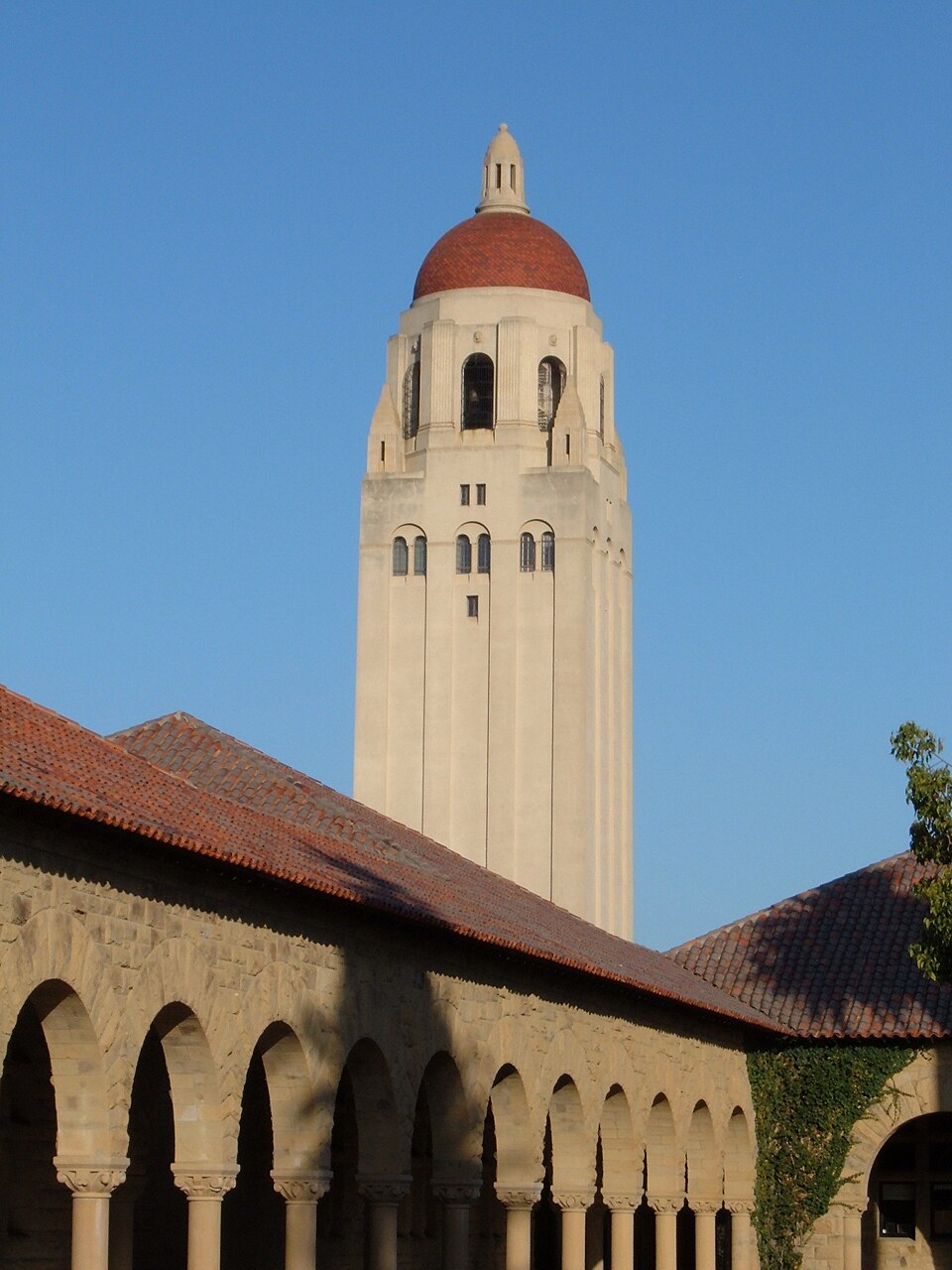
图片来源:图:斯坦福大学胡佛塔(Hoover Tower)(资料图),吴恩达在该校任兼职教授。图片来源:维基共享资源(Wikimedia Commons)。Photo: Hoover Tower at Stanford University (file photo); Andrew Ng is an adjunct professor at Stanford. Image: Wikimedia Commons.
GSM Global · 本篇英文版 English edition of this story