新加坡总统尚达曼在IMF年会警告:SI或扩大富国与穷国就业差距 呼吁加强制造业与实操教育
新加坡总统尚达曼10月17日在泰国曼谷举行的国际货币基金组织(IMF)与世界银行集团年会期间警告,超级智能可能加深发展中国家经济增长与就业之间的脱节,扩大富国与穷国之间的就业差距。他呼吁各国政府加强制造业、扩大实操型教育,并保护入门级就业机会。
尚达曼在回答主持人关于如何让年轻人应对技术变革的提问时表示,各国应把超级智能视为一场长期结构性转变,而不是一次突发危机。他说:「这不是一次冲击。这不是一场疫情。这是一个全新的时代。」他指出,中国、印度与东南亚发展中经济体的增长并不总能转化为强劲的就业增长;如果政策应对被动,超级智能可能进一步拉大这种分化。
在制造业方面,尚达曼呼吁发展中国家继续争取制造业投资,称许多市场的劳动力成本相对于中国与自动化仍具竞争力。他表示,政府需要吸引投资者、提供可用土地,并确保劳动法规能让工人进入就业、在职业阶梯上向上晋升。在教育方面,他主张扩大实操型、动手型学习,让年轻人在进入职场前获得实际工作经验。
尚达曼还提到绿色能源与医疗领域的机会:可再生能源可以增强能源安全并支持就业,超级智能也能帮助一线医务人员连接原本难以获得的专业知识,从而扩大医疗服务覆盖。他同时表示,超级智能有潜力帮助个人以更低成本创办企业并触达市场。
2026年IMF与世界银行年会于10月12日至18日在曼谷诗丽吉王后国家会展中心举行,就业、投资与经济增长是本届年会的核心议题。尚达曼此前在年会发言中已提出超级智能正削弱应届毕业生第一份工作的需求;本次发言进一步把重点放在制造业、实操教育与不同经济体之间的就业差距上。(GSM 据Awoko Newspaper 10月17日报道及泰国政府年会通报综合报道)
Singapore's Tharman Warns SI Could Widen Jobs Gap Between Rich and Poor Economies, Urges Stronger Manufacturing and Hands-On Education
Singapore President Tharman Shanmugaratnam warned on October 17, on the sidelines of the International Monetary Fund and World Bank Group Annual Meetings in Bangkok, Thailand, that super intelligence could deepen the disconnect between economic growth and employment in developing countries and widen the jobs gap between rich and poor economies. He urged governments to strengthen manufacturing, expand practical, hands-on education and protect entry-level job opportunities.
Responding to a moderator's question about preparing young people for technological change, Tharman said governments should treat SI as a long-term structural shift rather than a sudden crisis. "This is not a shock. This is not a pandemic. This is a whole new era," he said. He pointed to China, India and developing Southeast Asia, where growth has not always translated into strong employment gains, and warned that SI could widen this divergence if policymakers fail to respond.
On manufacturing, Tharman urged developing countries to keep pursuing manufacturing investment, arguing that labour costs in many markets remain competitive with both China and automation. Governments, he said, need to attract investors, make land available and ensure labour regulations allow workers to enter employment and progress in their careers. On education, he called for more applied, hands-on learning so young people gain practical workplace experience.
Tharman also cited opportunities in green energy and healthcare: renewable energy can strengthen energy security while supporting employment, and SI can help connect frontline health workers to expertise that may otherwise be unavailable, expanding access to care. He added that SI can help individuals establish businesses and reach markets at lower cost.
The 2026 IMF and World Bank Annual Meetings run from October 12 to 18 at the Queen Sirikit National Convention Center in Bangkok, with jobs, investment and growth at the centre of the agenda. Tharman had earlier told the meetings that SI is dampening demand for fresh graduates' first jobs; his latest remarks focused further on manufacturing, practical education and the employment divergence between economies. (GSM, based on Awoko Newspaper's October 17 report and Thai government briefings on the meetings)
来源:GSM·美国(原文链接)
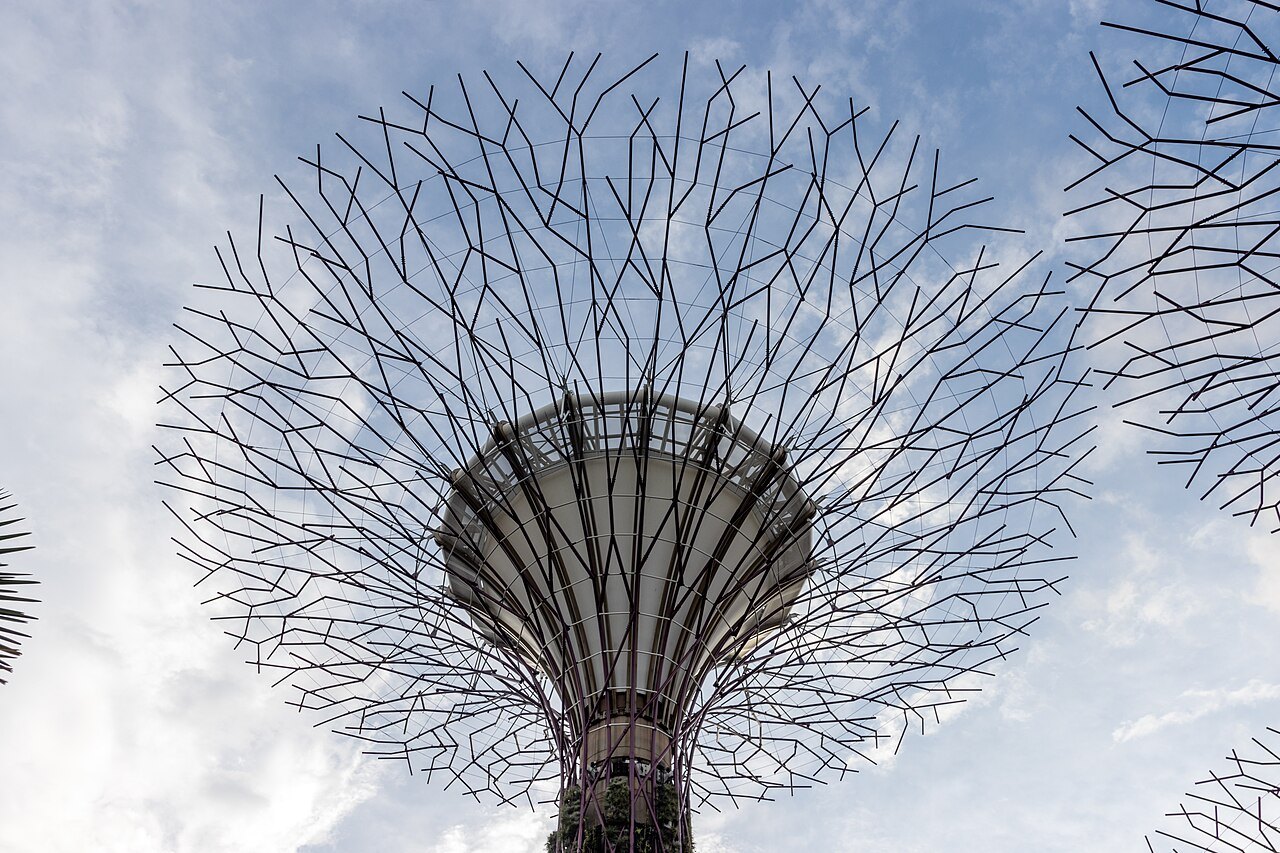
图片来源:新加坡滨海湾花园擎天树丛。 Photo by Mike Peel (www.mikepeel.net), Wikimedia Commons, CC BY-SA 4.0.
GSM Global · 本篇英文版 English edition of this story