Anaheim市府公布「度假区2.0」基建构想 Harbor与Katella路口拟设地标、串联白金三角区
Anaheim讯——位于加州橙县的Anaheim市,据《Daily Titan》报道,Anaheim 市政府工作人员10月13日在市议会上汇报了「Anaheim Resort 2.0」规划构想:拟借助公共与私人投资升级 Anaheim Resort 度假区的基础设施与公共空间,以提升游客体验并带动该市旅游业。汇报由副市政经理 Ted White 与规划建设局长 Heather Allen、公共工程局长 Rudy Emami,以及城市设计顾问公司 Gehl Studios 的 Laura Johnson 共同作出。
规划提出四大「体验支柱」:营造令人难忘的社交空间,提供舒适、安全、遮阴、安静的多功能公共区域;优化区内交通流动,提供安全的出行方式,并按度假区的人流规律设计交通;刺激私人再投资,提高密度与业态多样性,让度假区更好地融入城市公共生活;以及塑造鲜明的区域氛围,演进该区的「花园区域调色板」(Garden District Palette)景观风格。White 表示,在规划过程中举行的研讨与头脑风暴里,一个反复出现的主题,是各方对度假区现有核心特色近乎一致的珍视。
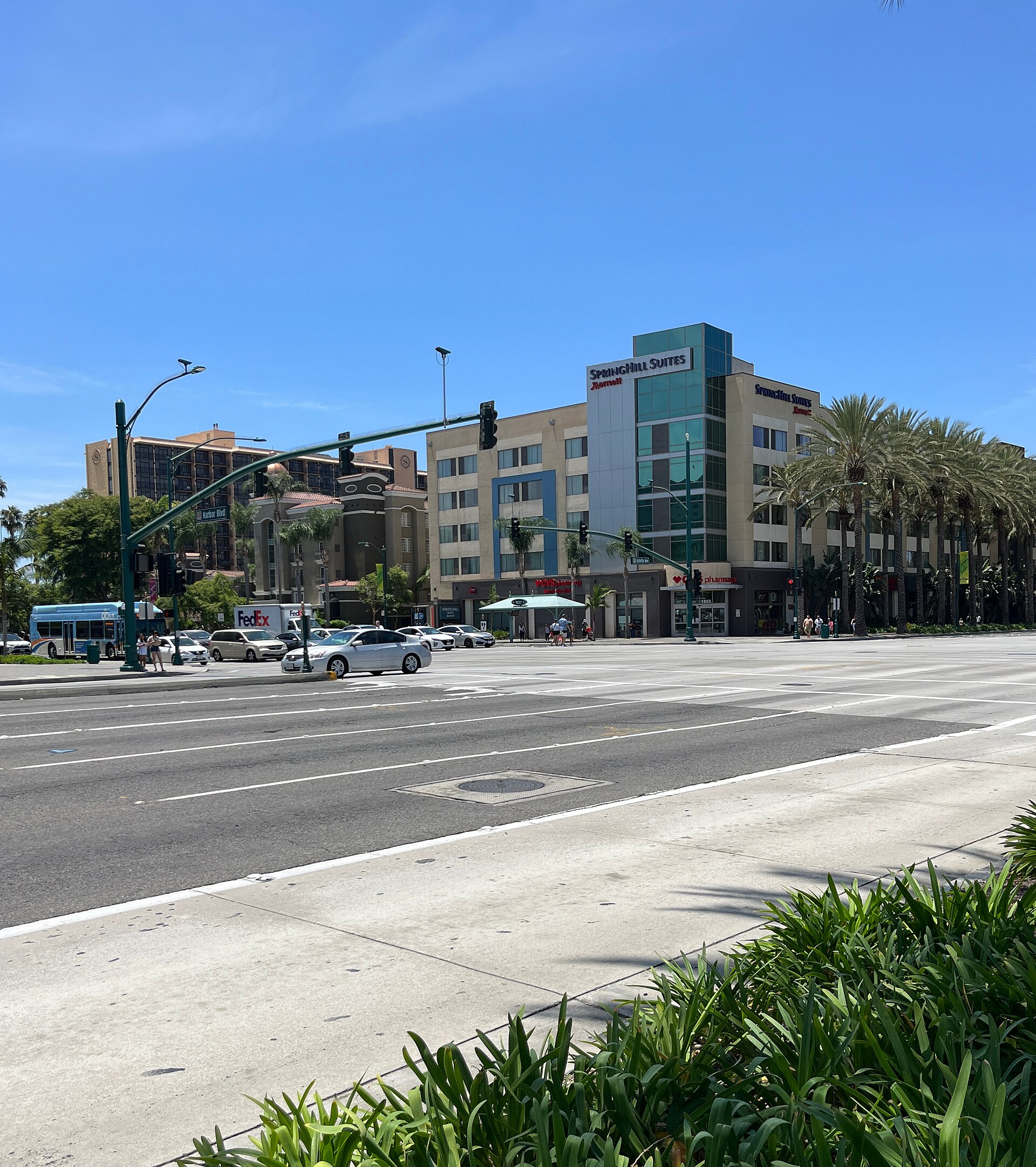
具体构想提出六个项目方向,其中三个在汇报中重点介绍:在 Harbor Boulevard 与 Katella Avenue 路口设置地标,形式可能包括悬于路口上方的艺术装置、可供行人使用兼作遮阴的艺术构件,或以图案铺装在路面构成艺术作品;将度假区内的「被动绿化」改造为可供公众使用的绿道(greenway),围绕 Harbor Boulevard 与 Disney Way 一带分三段推进,包括沿 Harbor Boulevard 在 Disney Way 以南新建平行步道、在两街东北角设口袋公园,以缓解人行道拥挤、扩大公共空间网络;以及一条正在推进中的东西向连接线(east-west connector),把度假区与包含 Angel Stadium、Honda Center 与 The Grove of Anaheim 的白金三角区(Platinum Triangle)串联起来,策略包括缩短候车时间、提供免费或低价乘车与多样座椅选择,并将 Anaheim 区域交通联运中心(ARTIC)等端点设施打造为设有卫生间、饮水站与便利购物的枢纽。
实施框架分近、中、长三期:近期以更新政策指引、试点项目与开发工具包为主;中期在资金与施工机会到位时推进实体改造;长期项目则需要进一步研究、伙伴协调与资金安排。第3区市议员 Natalie Rubalcava 在议会讨论中对资金机制表示关切,指出该市存在结构性赤字,并建议由一名市议员与迪士尼方面共同研究筹资策略。她表示,过去30年该市对度假区的投资值得肯定,但为「度假区2.0」寻找资金机制,不应以牺牲度假区周边各区居民的利益为代价。
Anaheim Staff Present 'Anaheim Resort 2.0' Infrastructure Vision to City Council
Anaheim — Anaheim is a city in Orange County, California. Anaheim city staff presented the "Anaheim Resort 2.0" plan to the City Council on October 13, a vision designed to leverage public and private investment to upgrade infrastructure in the Anaheim Resort District and boost the city's tourism, the Daily Titan reported. The presentation was given by Deputy City Manager Ted White, alongside Planning and Building Director Heather Allen, Director of Public Works Rudy Emami and Laura Johnson, director of urban design consultancy at Gehl Studios.
The plan is organized around four "experience pillars": creating memorable social spaces through multifunctional infrastructure and comfortable, safe, shady, quiet public areas; facilitating movement throughout the district with safe mobility options designed around the natural flow of traffic; stimulating private reinvestment by incentivizing increased density and variety and aligning district growth with an established identity; and broadening the district's appeal through a distinct ambiance, evolving its Garden District Palette. "A constant theme in the conversations, the workshops and the brainstorming sessions conducted as part of this process was a nearly universal appreciation and admiration for some of the key existing characteristics of the resort," White said.
Staff outlined six project ideas, three of which were detailed in the presentation. A landmark at the intersection of Harbor Boulevard and Katella Avenue would transform the major crossing with an art installation — options include a suspended art piece over the intersection, pedestrian-accessible art that doubles as shade, or patterned paving in the street. A greenway program would relieve sidewalk crowding by turning "passive landscaping" into functional public space, in three segments around Harbor Boulevard and Disney Way, including new parallel walking paths along Harbor Boulevard south of Disney Way and a pocket park at the northeast corner of the two streets. An east-west connector, already moving forward, would link the Resort District with the Platinum Triangle — the area that includes Angel Stadium, Honda Center and The Grove of Anaheim — with priorities including high-quality waiting and arrival experiences, short service wait times, no-cost or low-cost rides and varied seating, and treating endpoint structures such as the Anaheim Regional Transportation Intermodal Center (ARTIC) as district hubs with restrooms, hydration stations and grab-and-go options.
The implementation framework sets near-term steps (updating policy guidelines, testing pilot programs and developing toolkits), mid-term physical improvements as funding and construction opportunities arise, and long-term transformational projects requiring further study, partner alignment and financial allocation. During council comment, District 3 Councilmember Natalie Rubalcava raised concerns about funding mechanisms, citing the city's structural deficit, and suggested a council member work with Disney to develop fundraising strategies. "I do appreciate that we were able to invest in the resort for the past 30 years, but I do recognize the fact that we still have a deficit that was generated by a lot of this investment," Rubalcava said. "When we're looking at funding mechanisms for Resort 2.0, it should not be at the expense of residents in the districts that are surrounding the resort."
来源:GSM·美国(原文链接)
图片来源:图:Anaheim度假区Harbor Boulevard与Katella Avenue路口(资料图,摄于2022年7月)。图片来源:Benoît Prieur,Wikimedia Commons,CC0。Photo: The intersection of Harbor Boulevard and Katella Avenue in the Anaheim Resort District (file photo, July 2022). Image: Benoît Prieur, via Wikimedia Commons, CC0.
GSM Global · 本篇英文版 English edition of this story