最高法院审理视频隐私案:只订电子报、也看视频的用户算不算《视频隐私保护法》保护的「消费者」
美国联邦最高法院10月14日就 Salazar v. Paramount Global(案号25-459)举行口头辩论。这起案件源于田纳西州:迈克尔·萨拉萨尔(Michael Salazar)2022年订阅了派拉蒙旗下体育网站247Sports的电子报,并在登录Facebook账号的状态下在该站观看视频。他起诉称,网站安装的Meta Pixel追踪代码在未经他同意的情况下,把他的Facebook账号标识和所看视频的网址传给了Facebook,违反了1988年通过的《视频隐私保护法》(VPPA)。
地方法院驳回了他的诉讼,理由是他订阅的只是电子报、不是视听类商品或服务,因此不属于该法所保护的「消费者」;联邦第六巡回上诉法院维持了这一裁定。最高法院今年1月26日同意受理此案,要裁决的核心问题只有一个:VPPA对「消费者」的定义中,「从视频服务提供商处(获得的)商品或服务」一语,指该提供商的全部商品或服务,还是仅限视听类商品或服务。
辩论中,萨拉萨尔一方律师约书亚·哈马克(Joshua I. Hammack)主张应按条文文字理解:只要订阅了视频服务提供商的某种商品或服务、且观看信息被披露,就属于受保护的消费者。派拉蒙一方律师保罗·克莱门特(Paul D. Clement)则主张,「消费者」必须与视听材料本身有租、购或订阅关系,否则一部管录像带租赁的法律会被无限扩张到整个互联网。多位大法官在提问中谈到,企业取得用户同意并不困难;也有大法官追问把法律目的纳入考量时,原告的解释是否走得过远。
此案判决将决定这部录像带时代的隐私法律在流媒体与网站追踪时代的适用范围,判决将在日后公布,本案目前尚无裁决结果。
Supreme Court Hears Video Privacy Case: Is a Newsletter Subscriber Who Watches Videos a Protected 'Consumer'?
The U.S. Supreme Court heard oral argument on October 14 in Salazar v. Paramount Global, No. 25-459. The case began in Tennessee: Michael Salazar subscribed in 2022 to a newsletter from 247Sports, a Paramount-owned sports website, and watched videos on the site while logged into his Facebook account. He sued, alleging that the site's Meta Pixel tracking code transmitted his Facebook identifier and the addresses of videos he watched to Facebook without his consent, in violation of the Video Privacy Protection Act (VPPA), enacted in 1988.
A district court dismissed his suit, holding that because he had subscribed only to a newsletter — not to audiovisual goods or services — he was not a 'consumer' protected by the Act, and the U.S. Court of Appeals for the Sixth Circuit affirmed. The Supreme Court agreed on January 26, 2026 to hear the case. The single question before the Court is whether the phrase 'goods or services from a video tape service provider' in the VPPA's definition of 'consumer' refers to all of a provider's goods or services, or only to its audiovisual goods or services.
At argument, Salazar's counsel, Joshua I. Hammack, argued for the broader textual reading: anyone who subscribes to any goods or services from a video provider and whose viewing information is disclosed is a protected consumer. Counsel for Paramount, Paul D. Clement, argued that a consumer must rent, purchase or subscribe to audiovisual material itself, and that the broader reading would stretch a video-rental statute across the entire internet. Several justices observed in questioning that obtaining users' consent would not be difficult, while others pressed whether the plaintiff's reading went beyond the statute's purpose.
The ruling will determine how far this video-rental-era privacy law reaches in the age of streaming and website tracking. No decision has been issued; an opinion will follow at a later date.
来源:GSM·美国(原文链接)
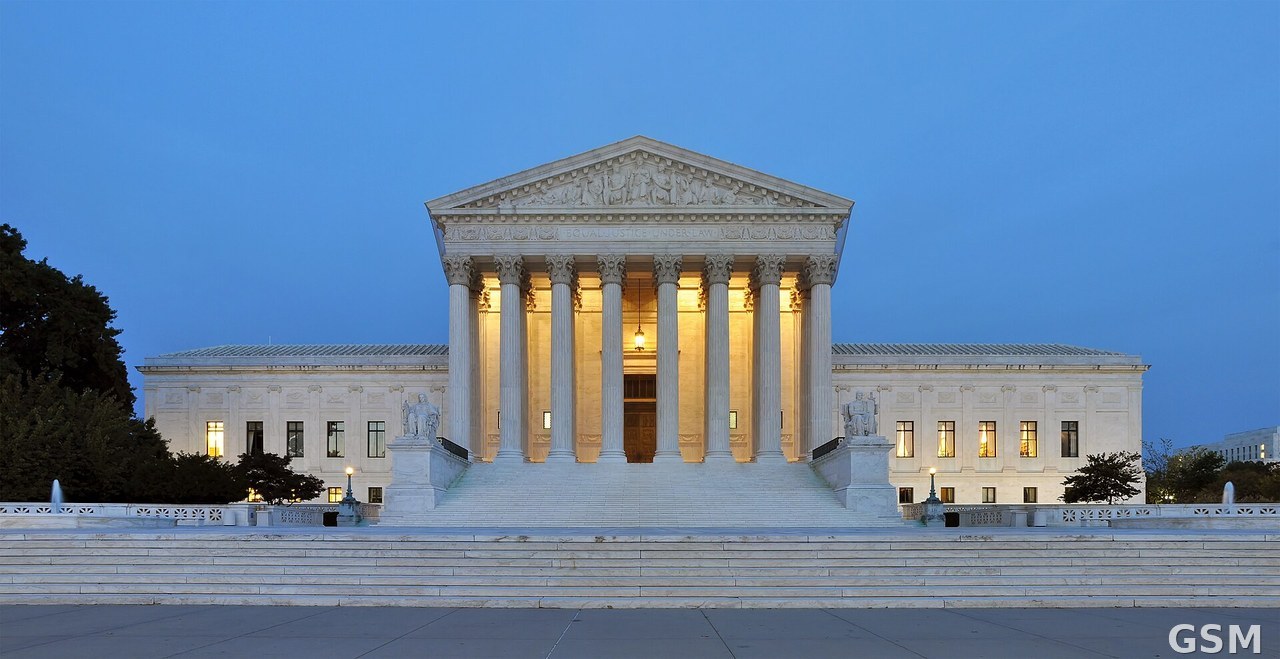
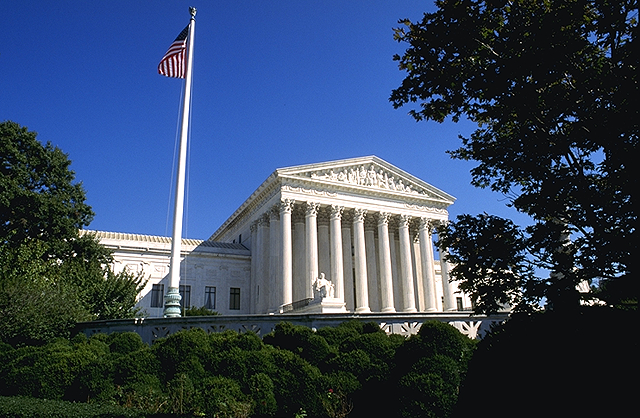
图片来源:美国最高法院大楼。照片:Ken Hammond/USDA,美国农业部,公共领域(Public Domain),经 Wikimedia Commons 核实。U.S. Supreme Court building. Photo: Ken Hammond, USDA, public domain, via Wikimedia Commons.
GSM Global · 本篇英文版 English edition of this story