美国最高法院就特朗普关税权限举行近三小时辩论,多位大法官追问总统权力边界
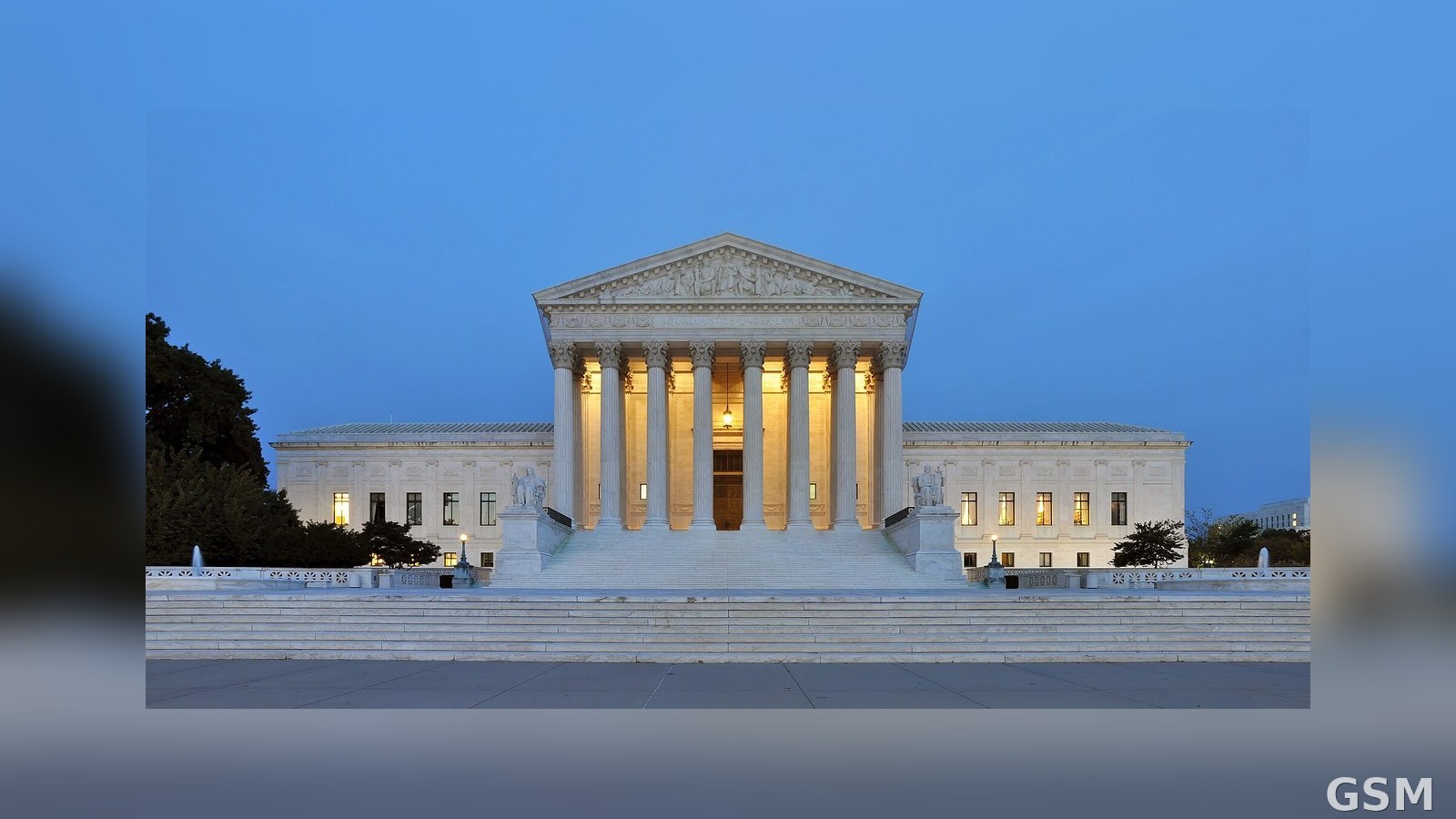
2025年11月5日,美国最高法院在首都华盛顿就特朗普政府依据《国际紧急经济权力法》(IEEPA)征收关税是否合法举行口头辩论。两案合并审理:Learning Resources公司等诉特朗普案(案号24-1287)与特朗普诉V.O.S. Selections公司案(案号25-250)。辩论原定80分钟,实际从上午10时04分进行到下午12时44分,共2小时40分钟。
代表联邦政府出庭的司法部副总检察长D. John Sauer主张,IEEPA中「规制进口」的措辞显然涵盖关税,这些关税属于规制性关税而非征税性关税,增加收入只是附带结果,「重大问题」原则在本案不适用。
代表企业一方出庭的律师Neal K. Katyal指出,国会在IEEPA的立法记录中列举的各项权力里没有一项涉及关税。大法官Elena Kagan在庭上说,征税权与规制对外贸易的权力是宪法第一条赋予国会的核心权力,而不是总统的权力。
多位大法官在提问中对政府立场提出质疑。大法官Neil Gorsuch说,如果总统可以否决国会终止紧急状态的联合决议,国会实际上就无法收回已经交出的权力,这会形成权力单向流向行政部门的「单向棘轮」。首席大法官John Roberts指出,政府反复援引的Dames & Moore案判决当时明确表示裁决范围非常有限。大法官Amy Coney Barrett追问,若政府胜诉,企业已经缴纳的关税如何退还,会不会乱成一团。大法官Ketanji Brown Jackson与Brett Kavanaugh也分别就立法史与历任总统从未用IEEPA征税的历史提出问题。
涉案关税包括以打击毒品流入为由对加拿大与墨西哥输美商品征收的25%关税、对中国输美商品征收的10%关税,以及以贸易逆差为由对所有贸易伙伴征收的至少10%的「对等关税」。最高法院当天没有裁决,判决将另行宣布。
关联:停摆期间全美40座繁忙机场航班削减11月7日生效,从4%逐步升至10%
U.S. Supreme Court Hears Nearly Three Hours of Argument on Trump's Tariff Authority as Justices Press on the Limits of Presidential Power
On November 5, 2025, the U.S. Supreme Court in Washington heard oral argument on whether the Trump administration lawfully imposed tariffs under the International Emergency Economic Powers Act (IEEPA). Two consolidated cases were heard: Learning Resources, Inc. v. Trump, No. 24-1287, and Trump v. V.O.S. Selections, Inc., No. 25-250. Scheduled for 80 minutes, the argument ran from 10:04 a.m. to 12:44 p.m., a total of two hours and 40 minutes.
Solicitor General D. John Sauer, arguing for the federal government, said the phrase "regulate importation" in IEEPA plainly embraces tariffs, that the tariffs are regulatory rather than revenue-raising, that any revenue is only incidental, and that the major questions doctrine does not apply.
Neal K. Katyal, arguing for the private challengers, said the House and Senate reports on IEEPA list its powers and none of them involves tariffs. Justice Elena Kagan said at the argument that the power to impose taxes and the power to regulate foreign commerce are quintessential Article I powers of Congress, not Article II powers of the President.
Several justices pressed the government's position in questioning. Justice Neil Gorsuch said that if the President can veto a joint resolution terminating an emergency, Congress as a practical matter cannot get the power back once handed over, creating a one-way ratchet toward the executive branch. Chief Justice John Roberts noted that the Dames & Moore decision the government relied on went out of its way to call itself a very narrow decision. Justice Amy Coney Barrett asked how reimbursements would work if the government won, and whether the process would be a complete mess. Justices Ketanji Brown Jackson and Brett Kavanaugh also raised the legislative history and the fact that no earlier president had used IEEPA to impose tariffs.
The tariffs at stake include 25 percent duties on most Canadian and Mexican imports and 10 percent duties on most Chinese imports imposed over drug trafficking, and reciprocal tariffs of at least 10 percent on imports from all trading partners imposed over trade deficits. The Court did not rule from the bench; a decision will be announced later.
Related: Flight Cuts at 40 Busy U.S. Airports Take Effect November 7 During Shutdown, Rising From 4% to 10%
来源:美国最高法院
发布:GSM·美国(发布链接)
图片来源:图:美国最高法院大楼黄昏全景(资料照片)。Joe Ravi摄,CC BY-SA 3.0,经Wikimedia Commons;联邦固定图库同源图。 / Photo: The U.S. Supreme Court building at dusk (file photo). By Joe Ravi, CC BY-SA 3.0, via Wikimedia Commons; federal fixed image library image.
GSM Global · 本篇英文版 English edition of this story