特朗普签署无家可归行政令:清理街头营地、扩大民事收治,联邦拨款优先给执法城市
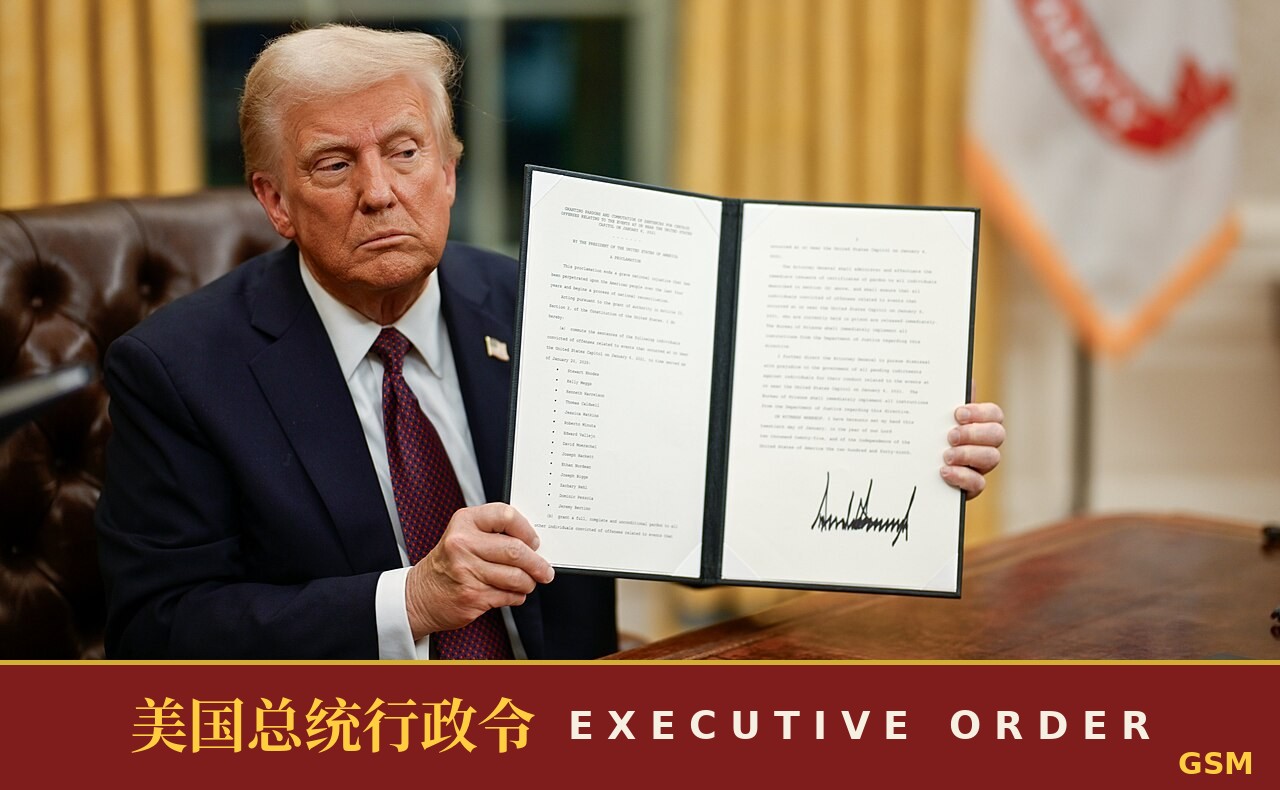
2025年7月24日,美国总统特朗普在白宫签署第14321号行政令《结束美国街头的犯罪与失序》(Ending Crime and Disorder on America's Streets),把无家可归治理确立为联邦政策转向的起点:推动各州扩大对露宿街头者的民事收治,把联邦拨款优先给严格执行露营、公开吸毒与占屋禁令的州和城市,并终结联邦层面对「住房优先」政策的支持。
行政令开篇称,流浪成风、无序行为、突发冲突与暴力袭击已令美国城市变得不安全。令文援引的数据称,前任政府最后一年的某一个夜晚,全美有274,224人露宿街头,为有记录以来最高;其中绝大多数人有药物成瘾、精神健康问题或两者兼有,近三分之二的无家可归者自述一生中曾经常使用甲基苯丙胺、可卡因或阿片类等硬性毒品,报告有精神健康问题者的比例与此相近。令文称,联邦与各州已投入数百亿美元于处理无家可归的项目,却未触及问题根源。令文写明其取向:「通过适当运用民事收治,将无家可归者转入长期机构环境接受人道治疗,将恢复公共秩序。」
在恢复民事收治方面,行政令要求司法部长在与卫生与公共服务部长协商后,寻求推翻阻碍各州实施民事收治的联邦与州法院判例、终止相关同意令;并通过技术指导、拨款等合法手段,协助州和地方政府制定最大限度灵活的民事收治、机构治疗与「阶梯式」后续治疗标准,使对他人或自身构成危险、或露宿街头无法自理的精神疾病患者能被适当收治。
在街头治理与拨款条件方面,司法部长、卫生与公共服务部长、住房与城市发展部长和交通部长须立即评估各自的自由裁量拨款项目,在法律允许的最大范围内,优先拨给积极落实下列事项的州和市:执行公开使用非法毒品的禁令;执行城市露营与滞留禁令;执行城市占屋禁令;通过辅助门诊治疗或民事收治,把对自己或他人构成危险、或露宿街头无法自理者转入治疗中心等适当设施;以及切实履行性犯罪者登记与通报义务,包括对无固定住所的登记性犯罪者进行定位与核查。司法部长还须确保因联邦罪名被捕的无家可归者依《美国法典》第18编第4248条接受评估,以确定是否属于须民事收治的「性危险人士」;动用紧急联邦执法援助计划资金,支持在公共安全受威胁且地方资源不足地区的营地清理工作;并评估联邦资源,避免严重精神疾病在押人员因法医床位不足而被放回公众之中。
在联邦资源转向方面,卫生与公共服务部须确保其药物滥用与心理健康服务局的拨款只资助有循证依据的项目,不再资助未达效果的项目,包括所谓「减害」或「安全消费」类做法;为辅助门诊治疗项目提供技术援助,帮助严重精神疾病或成瘾者在收治期间及之后离开街头与公共项目、转入私人住房与支持网络;并确保联邦合格健康中心与认证社区行为健康诊所的联邦资金用于减少而非助长无家可归。司法部长须优先把可用资金用于扩充毒品法庭与心理健康法庭。
在项目问责方面,卫生与公共服务部长与住房与城市发展部长须终结对「住房优先」政策的支持——令文称此类政策弱化问责、无助于促进治疗、康复与自立;同时扩大受助机构的申请人范围以增加竞争,并以减少无家可归和增进公共安全的标准对受助方提高要求。住房与城市发展部须要求联邦住房与无家可归援助的受助方提高条件:患有药物使用障碍或严重精神疾病的参与者,须以接受药物滥用治疗或心理健康服务作为参与项目的条件。对运营毒品注射点或「安全消费点」、明知而分发吸毒用具、或容许在其控制的物业上使用或散发非法毒品的受助机构,司法部长须审查其是否违反《美国法典》第21编第856条并在适当案件中提起民事或刑事诉讼,住房与城市发展部须协同审查其是否违反项目条款并酌情冻结援助。住房与城市发展部还须修订规则,允许联邦资助项目专供妇女和儿童居住,并防止通过无家可归项目接受援助的性犯罪者与无亲属关系的儿童同住;受助机构可被要求收集受助人员的健康相关信息,并在法律允许的情况下与执法机关共享,用于提供适当医疗或连接公共卫生资源。
行政令同时写明,各项措施须在适用法律范围内实施,并以国会拨款到位为前提,令文本身不创设任何可由任何一方对美国政府强制执行的实体或程序权利。白宫同日发布的事实清单称,这项行政令旨在恢复美国城市秩序、把流浪者从街头清除,并把联邦资源重新投向应对药物成瘾的项目和民事收治。
倡导组织在签署当天即公开反对。全国无家可归法律中心(National Homelessness Law Center)7月24日发表声明谴责这项行政令,称其「剥夺了人们的基本权利,并使解决无家可归问题变得更加困难」。该中心活动与传播主任Jesse Rabinowitz说,这是「数十年来对露宿在外者影响最恶劣的行动之一」,并表示该中心正与全美各地的律师研究如何在法庭上挑战这项行政令。全国终结无家可归联盟(National Alliance to End Homelessness)的Ann Oliva在声明中说,将包括无家可归者在内的精神疾病患者送入机构收治,「不是一种有尊严、安全或有循证依据的服务方式」。
关联:住房与城市发展部与俄勒冈州 Multnomah 县达成自愿合规协议:无家可归服务不得按种族国籍分配
关联:洛杉矶市长 Karen Bass 承认无家可归治理失误:应更早改造体系,主张市府自建独立系统
来源:GSM·美国
Trump Signs Homelessness Executive Order: Encampment Clearance and Expanded Civil Commitment, Federal Grants to Favor Enforcing Cities
On July 24, 2025, President Donald J. Trump signed Executive Order 14321, "Ending Crime and Disorder on America's Streets," at the White House, setting a new federal direction on homelessness: expanding state use of civil commitment for people living on the streets, prioritizing federal grants for states and cities that strictly enforce bans on camping, open drug use and squatting, and ending federal support for "housing first" policies.
The order opens by declaring that endemic vagrancy, disorderly behavior, sudden confrontations and violent attacks have made American cities unsafe. It cites a figure of 274,224 people living on the streets on a single night during the last year of the previous administration — the highest ever recorded — and states that the overwhelming majority of these individuals are addicted to drugs, have a mental health condition, or both; nearly two-thirds of homeless individuals report having regularly used hard drugs such as methamphetamines, cocaine or opioids in their lifetimes, and an equally large share reported mental health conditions. The order says the Federal Government and the States have spent tens of billions of dollars on failed programs that address homelessness but not its root causes. "Shifting homeless individuals into long-term institutional settings for humane treatment through the appropriate use of civil commitment will restore public order," the order states.
On civil commitment, the order directs the Attorney General, in consultation with the Secretary of Health and Human Services, to seek the reversal of federal or state judicial precedents and the termination of consent decrees that impede civil commitment, and to assist state and local governments — through technical guidance, grants or other legally available means — in adopting maximally flexible civil commitment, institutional treatment and "step-down" standards for people with mental illness who pose a danger to others or who are living on the streets and cannot care for themselves.
On street enforcement and funding conditions, the Attorney General and the Secretaries of Health and Human Services, Housing and Urban Development, and Transportation must assess their discretionary grant programs and, to the maximum extent permitted by law, prioritize grantees in states and municipalities that actively: enforce prohibitions on open illicit drug use; enforce prohibitions on urban camping and loitering; enforce prohibitions on urban squatting; address individuals who are a danger to themselves or others, or living on the streets unable to care for themselves, through assisted outpatient treatment or civil commitment into treatment centers or other appropriate facilities; and substantially comply with sex offender registration and notification obligations, including mapping and checking the location of homeless sex offenders. The Attorney General must also ensure homeless individuals arrested for federal crimes are evaluated under 18 U.S.C. 4248 to determine whether they are sexually dangerous persons subject to civil commitment; make Emergency Federal Law Enforcement Assistance funds available to support encampment removal where public safety is at risk and local resources are inadequate; and assess federal resources so detainees with serious mental illness are not released into the public for lack of forensic bed capacity.
On redirecting resources, the Department of Health and Human Services must ensure that Substance Abuse and Mental Health Services Administration grants fund evidence-based programs and do not fund programs that fail to achieve adequate outcomes, including so-called "harm reduction" or "safe consumption" efforts; provide technical assistance to assisted outpatient treatment programs to shift individuals off the streets and public programs into private housing and support networks; and ensure federal funds for Federally Qualified Health Centers and Certified Community Behavioral Health Clinics reduce rather than promote homelessness. The Attorney General must prioritize funding to expand drug courts and mental health courts.
On accountability, the Secretaries of Health and Human Services and of Housing and Urban Development must end support for "housing first" policies, which the order says deprioritize accountability and fail to promote treatment, recovery and self-sufficiency; broaden the applicant pool to increase competition among grantees; and hold grantees to higher standards of effectiveness in reducing homelessness and increasing public safety. HUD must require recipients of federal housing and homelessness assistance to increase requirements that participants with substance use disorder or serious mental illness use substance abuse treatment or mental health services as a condition of participation. For recipients that operate drug injection sites or "safe consumption sites," knowingly distribute drug paraphernalia, or permit the use or distribution of illicit drugs on property under their control, the Attorney General must review whether they are in violation of federal law, including 21 U.S.C. 856, and bring civil or criminal actions in appropriate cases, while HUD, in coordination with the Attorney General, reviews program violations and freezes assistance as appropriate. HUD must also revise regulations to allow federally funded programs to exclusively house women and children and to stop sex offenders who receive homelessness assistance from being housed with unrelated children; funding recipients may be required to collect health-related information from the people they serve and to share that data with law enforcement in circumstances permitted by law, to provide appropriate medical care or connect people to public health resources.
The order states that it is to be implemented consistent with applicable law and subject to the availability of appropriations, and that it is not intended to create any enforceable right or benefit. In a fact sheet issued the same day, the White House said the order would restore order to American cities, remove vagrant individuals from the streets, and redirect federal resources toward programs that tackle substance abuse and toward civil commitment.
Advocacy groups objected the day the order was signed. The National Homelessness Law Center issued a statement on July 24 condemning the order, arguing it "deprives people of their basic rights and makes it harder to solve homelessness." Jesse Rabinowitz, the center's campaign and communications director, called it "one of the worst actions to impact folks living outside in decades" and said the center was working with attorneys across the country to challenge the order in court. Ann Oliva of the National Alliance to End Homelessness said in a statement that institutionalizing people with mental illness, including those experiencing homelessness, "is not a dignified, safe, or evidence-based way to serve people's needs."
Related: HUD Announces Voluntary Compliance Agreement With Multnomah County, Oregon
Source: GSM·America
来源:GSM·美国(原文链接)
图片来源:GSM 行政令统一模板(美国总统行政令)