特朗普签署行政令限制出生公民权:两类在美出生婴儿不再自动获得美国公民身份
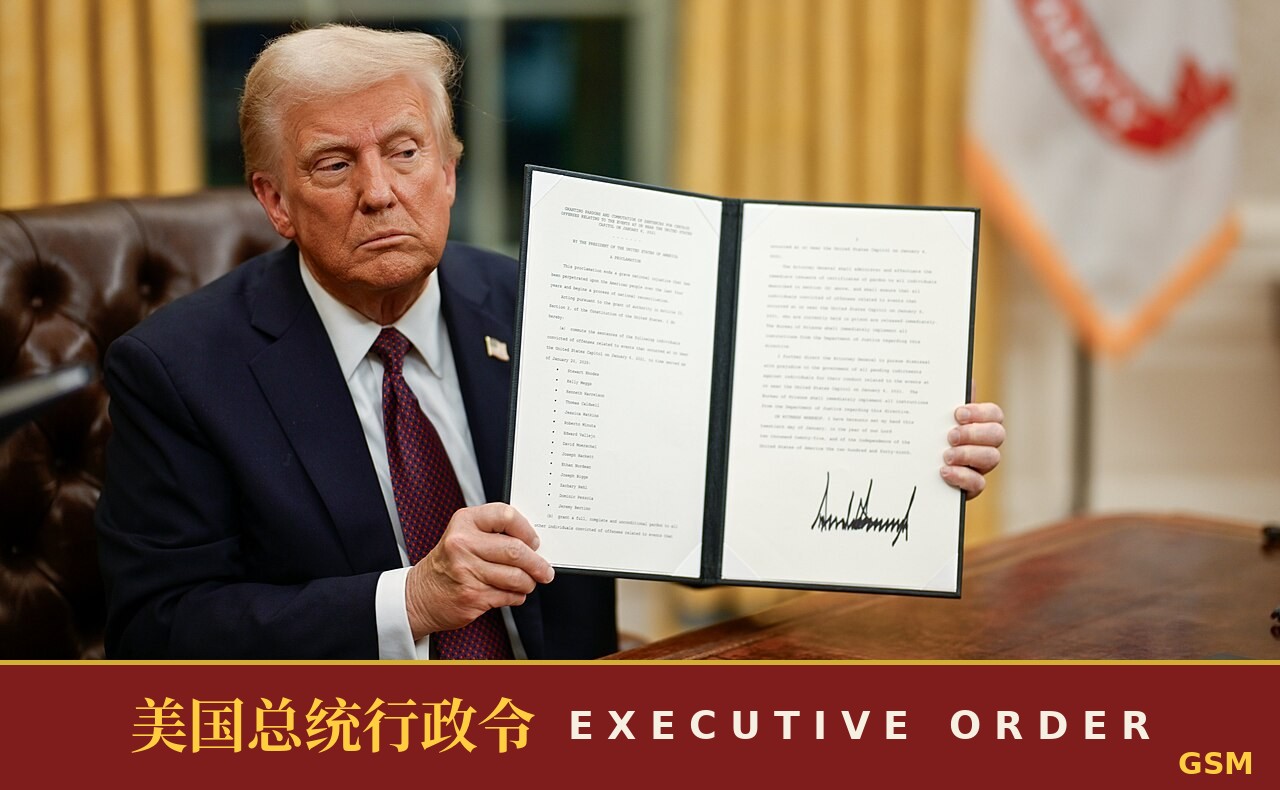
2025年1月20日,美国总统特朗普在华盛顿白宫签署第14160号行政令《保护美国公民身份的意义与价值》,要求联邦机构不再向两类在美国出生的人自动签发或承认公民身份文件。这是特朗普就职首日签署的一系列行政令之一,直接触及美国出生公民权制度的核心。
行政令援引宪法第十四修正案的条文——在美国出生或归化、并受其管辖的人是美国公民——并提出,第十四修正案从未被解释为将公民身份普遍扩展到每一个在美国出生的人,未受美国管辖者不包括在内;国会通过的《美国法典》第8编第1401条亦作同样表述。据此,行政令列出两类不自动获得公民身份的在美出生者:其一,出生时母亲非法身在美国、且父亲不是美国公民也不是合法永久居民;其二,出生时母亲在美居留合法但属临时性质——例如持免签证计划、学生签证、工作签证或旅游签证入境——且父亲不是美国公民也不是合法永久居民。
行政令第二条定下政策:任何联邦部门或机构不得向上述人员签发承认美国公民身份的文件,也不得接受州、地方或其他政府签发的同类承认文件;这一条只适用于行政令发布30天之后在美国出生的人。行政令同时明确,这不影响包括合法永久居民子女在内的其他人取得公民身份文件的权利。
执行方面,国务卿、司法部长、国土安全部长与社会保障署署长须确保本部门的规章与政策与行政令一致,各行政部门与机构负责人须在30天内就实施发布公开指引。行政令还把母亲定义为直接的女性生身亲代、父亲定义为直接的男性生身亲代。
行政令在目的部分亦提到,第十四修正案的相关条文推翻了最高法院1857年在斯科特诉桑福德案中将非裔永久排除在公民资格之外的判决。出生公民权是美国延续一个半世纪以上的制度,这项以行政令重新解释其适用范围的做法,在签署当日即成为全美关注的焦点,其后续效力取决于联邦法院的审查。
(来源:白宫)
Trump Signs Executive Order Limiting Birthright Citizenship for Two Categories of Children Born in the United States
On January 20, 2025, President Donald Trump signed Executive Order 14160, Protecting the Meaning and Value of American Citizenship, at the White House in Washington, directing federal agencies to stop automatically issuing or recognizing citizenship documents for two categories of people born in the United States. It was among the series of executive orders Trump signed on his first day in office, and it went to the heart of the American system of birthright citizenship.
The order quotes the Fourteenth Amendment — all persons born or naturalized in the United States, and subject to the jurisdiction thereof, are citizens — and argues that the amendment has never been interpreted to extend citizenship universally to everyone born within the United States, and has always excluded persons born in the United States but not subject to its jurisdiction; it notes that Congress made the same formulation in 8 U.S.C. 1401. On that basis, the order lists two categories of U.S.-born persons to whom citizenship does not automatically extend: first, those whose mother was unlawfully present in the United States and whose father was not a U.S. citizen or lawful permanent resident at the time of birth; and second, those whose mother's presence was lawful but temporary — such as visiting under the Visa Waiver Program or on a student, work or tourist visa — and whose father was not a U.S. citizen or lawful permanent resident at the time of birth.
Section 2 sets the policy: no department or agency of the United States government shall issue documents recognizing United States citizenship to such persons, or accept documents issued by state, local or other authorities purporting to recognize it; the provision applies only to persons born within the United States more than 30 days after the date of the order. The order also states that nothing in it affects the entitlement of other individuals, including children of lawful permanent residents, to obtain documentation of their citizenship.
On enforcement, the Secretary of State, the Attorney General, the Secretary of Homeland Security and the Commissioner of Social Security are to ensure their regulations and policies conform to the order, and agency heads are to issue public guidance on implementation within 30 days. The order defines mother as the immediate female biological progenitor and father as the immediate male biological progenitor.
The order's purpose section also recalls that the Fourteenth Amendment's citizenship clause repudiated the Supreme Court's 1857 decision in Dred Scott v. Sandford, which had excluded people of African descent from citizenship on the basis of race. Birthright citizenship has been a feature of American law for more than a century and a half; this attempt to reinterpret its reach by executive order drew nationwide attention on the day it was signed, and its ultimate effect will depend on review by the federal courts.
(Source: The White House)
来源:白宫
发布:GSM·美国(发布链接)
图片来源:GSM 行政令统一模板(美国总统行政令)
GSM Global · 本篇英文版 English edition of this story