加拿大 Bute Inlet 首次直测海底滑坡:《Science》18天每秒监测,滑坡持续数分钟至数小时
加拿大不列颠哥伦比亚省 Bute Inlet 的一项研究首次直接测量了海底滑坡的发生过程,成果刊登于《科学》(Science)。研究团队在 Homathko Delta 部署仪器,对水下沉积物运动进行了18天、每秒一次的连续监测,记录到多次滑坡事件。
监测显示,海底滑坡并非单一瞬间事件,而是持续数分钟至数小时的渐进过程:沉积物先缓慢蠕动,随后加速下滑,最终在坡底堆积。研究者表示,此前对海底滑坡的认识主要来自事后痕迹与模型推测,直接观测数据有助于改进海底光缆与管道等基础设施的风险评估,并为海啸预警提供依据。Bute Inlet 是全球少数可直接观测活跃海底滑坡的地点之一。
Canadian Scientists First Directly Measure Submarine Landslides in Bute Inlet; Science Study Monitors Every Second for 18 Days, Slides Last Minutes to Hours
A study in British Columbia's Bute Inlet, Canada, has for the first time directly measured submarine landslides as they happened, the findings published in Science. The team deployed instruments at the Homathko Delta and monitored underwater sediment movement continuously, once per second, for 18 days, recording multiple slide events.
The monitoring showed that submarine landslides are not single instantaneous events but progressive processes lasting minutes to hours: sediment first creeps slowly, then accelerates downslope, and finally accumulates at the base. The researchers said previous understanding of submarine landslides relied mainly on after-the-fact traces and model simulations, and that direct observations will help improve risk assessments for submarine cables and pipelines and inform tsunami warning. Bute Inlet is one of the few places in the world where active submarine landslides can be observed directly.
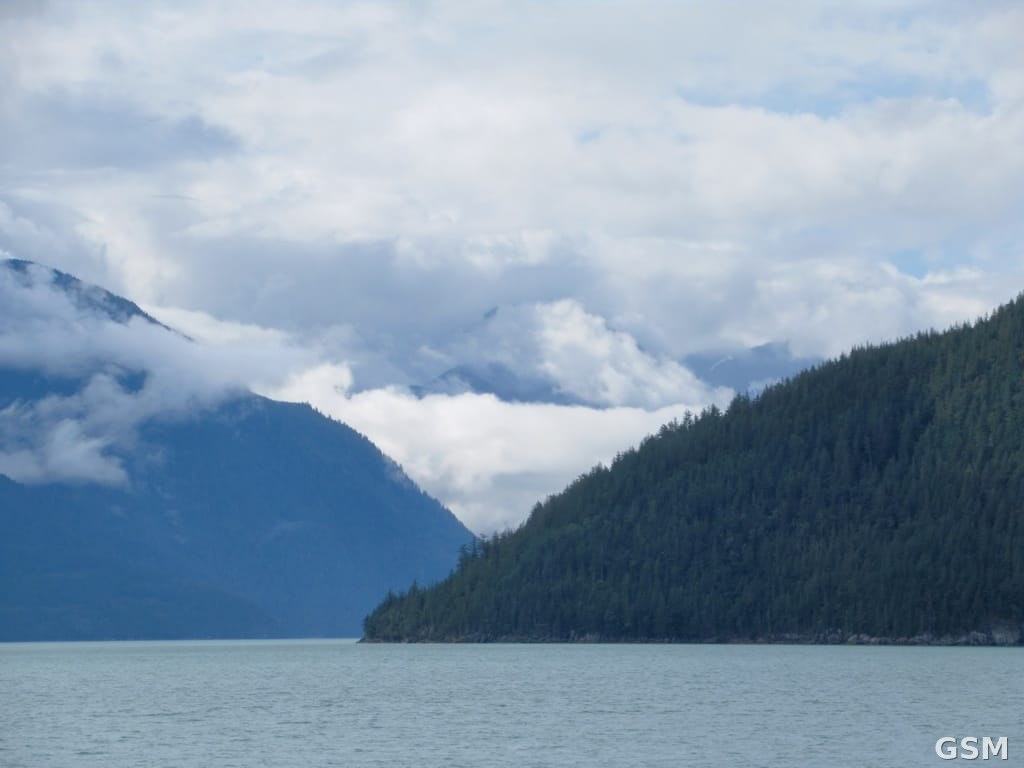
图中是加拿大不列颠哥伦比亚省 Bute Inlet,本研究在此源头的 Homathko Delta 观测海底滑坡。
来源:《科学》杂志
发布:GSM·美国(发布链接)
图片来源:图为加拿大不列颠哥伦比亚省 Bute Inlet。David Stanley, CC BY 2.0, via Wikimedia Commons
GSM Global · 本篇英文版 English edition of this story