太平洋垃圾带附近海水二十年变青,微塑料或已改变海洋颜色
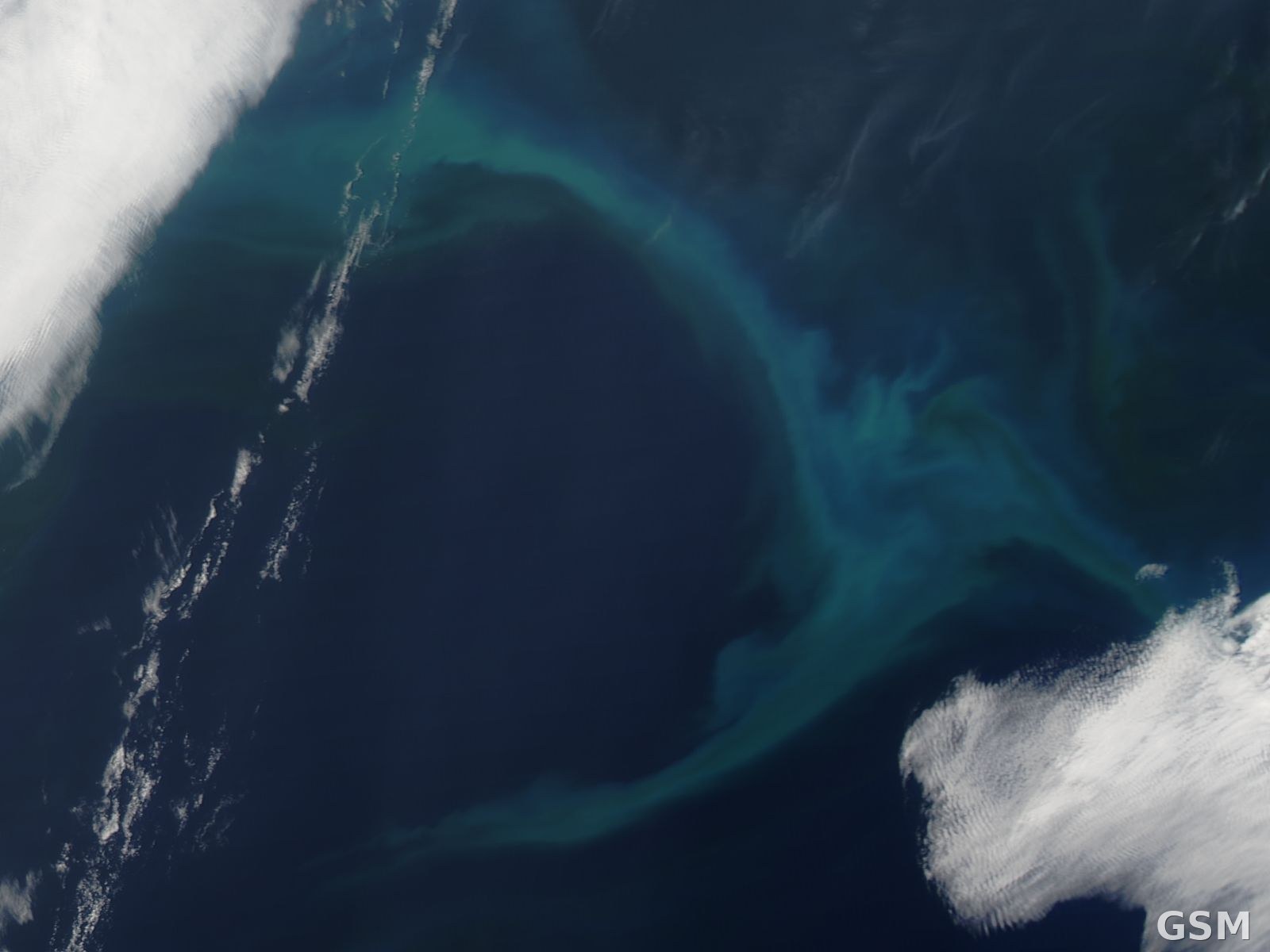
大太平洋垃圾带附近的海水,在二十年里悄悄变了颜色。挪威卑尔根大学的研究人员分析了三套覆盖 2002 年至 2022 年的卫星海洋颜色数据,发现垃圾带及周边海域反射回来的蓝光与绿光一起显著增强,海水趋向青色;离垃圾带较远的海域没有出现同样的变化。研究发表于《通讯·地球与环境》。
研究团队由博士生谢伊·奇塔姆、海洋光学研究员丹尼尔·克斯特纳与博尔格·哈姆雷组成。他们指出,卫星观测本身不能证明变色由微塑料造成,但计算机模拟加强了这一判断:只考虑自然变化时,模拟中出现这种蓝绿增亮的比例约为 3%;加入悬浮微塑料后,比例升至约 13%。模拟还显示,每立方米海水约 5 毫克的微塑料浓度,就足以产生卫星可探测的颜色变化;2016 年实地测量显示,垃圾带近表层海水的大颗粒微塑料浓度可超过每立方米 17 毫克。
研究人员强调,这仍是一种有待证实的关联:要确认变色是否直接且完全由微塑料造成,下一步必须前往垃圾带实地测量水样、量化其中的微塑料。洋流、浮游生物等因素同样可能影响海水反射的光谱,不同卫星数据集给出的变化幅度也不完全一致。
(来源:《通讯·地球与环境》)
Sea Near Pacific Garbage Patch Has Turned More Cyan Over 20 Years; Microplastics May Be Why
The sea near the Great Pacific Garbage Patch has slowly changed colour over twenty years. Researchers at the University of Bergen in Norway analysed three satellite ocean-colour datasets spanning 2002 to 2022 and found that waters in and around the garbage patch had become significantly brighter in blue and green light, shifting toward cyan, while waters farther away showed no such shift. The study was published in Communications Earth & Environment.
The team — PhD candidate Shea Cheatham, ocean-optics researcher Daniel Koestner and Børge Hamre — stresses that satellite images alone cannot prove microplastics caused the change. But their simulations strengthened the suggestion: brightening of this kind appeared in only about 3% of simulations with natural changes alone, compared with about 13% when suspended microplastics were included. The models also show that roughly 5 milligrams of microplastic per cubic metre of seawater is enough to produce a colour change a satellite can detect; in-situ measurements in 2016 found larger microplastic particles near the patch's surface at over 17 milligrams per cubic metre.
The researchers caution that the link remains a hypothesis. Confirming whether the colour shift is directly and exclusively caused by plastics will require going to the garbage patch to measure water samples and quantify the microplastics present. Currents and plankton can also affect the light reflected by seawater, and the three satellite datasets did not agree perfectly on the size of the change.
(Source: Communications Earth & Environment)
来源:《通讯·地球与环境》
发布:GSM·美国(发布链接)
图片来源:图:北太平洋海域的卫星海洋颜色影像(NASA MODIS,公共领域)。A satellite ocean-colour view of the North Pacific. (NASA MODIS, public domain)
GSM Global · 本篇英文版 English edition of this story