世卫组织确认厄立特里亚消除沙眼:非洲地区第11国、全球第34国,干预覆盖全部58个二级行政区
世界卫生组织11月16日在 Asmara、Brazzaville 与 Geneva 发布消息,确认厄立特里亚已消除沙眼这一公共卫生问题。厄立特里亚由此成为世卫组织非洲地区第11个、全球第34个达到这一里程碑的国家。沙眼是全球首要的感染性致盲原因,由沙眼衣原体引起。
世卫组织介绍,厄立特里亚在2006至2020年间在全国不同地区开展基线调查,随后在需要干预的社区逐步实施世卫组织推荐的 SAFE 策略,即为沙眼倒睫患者做手术、用抗生素清除感染、提倡面部清洁以减少传播、改善环境特别是供水与卫生设施。厄立特里亚调查了全部58个二级行政区(sub-zobas),并在所有沙眼流行地区扩大干预。
分发的抗生素以口服阿奇霉素为主,由 Pfizer Inc. 经国际沙眼倡议捐赠。卫生工作者使用数字工具收集数据与绘图,以识别受影响社区并投放资源,包括偏远地区。厄立特里亚还建立了发现与处理新倒睫病例的系统,确认后将继续监测。
世卫组织总干事谭德塞表示,经过二十年的坚定努力,厄立特里亚已把沙眼这一公共卫生问题送入历史。世卫组织非洲区域主任 Mohamed Janabi 与世卫组织驻厄立特里亚代表 Mary Stephen 分别表示,这一成果显示了持续政治承诺、社区主导与伙伴关系的作用。世卫组织数据还显示,全球需要沙眼干预的人口已从2002年估计的15亿降至2025年11月的1亿以下,但截至2026年3月仍有9200万人生活在沙眼流行地区。厄立特里亚同时成为全球第66个、非洲地区第23个消除至少一种被忽视热带病的国家。
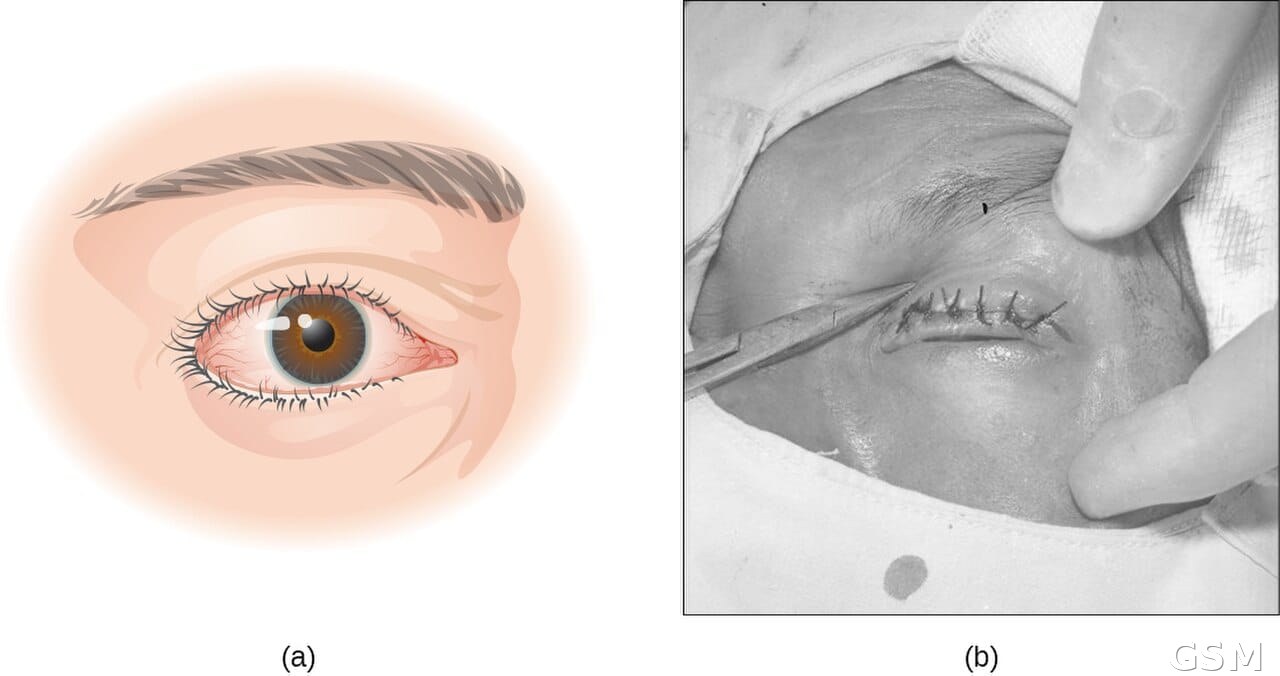
图中是沙眼晚期倒睫的示意图,内翻的睫毛持续摩擦眼球,是沙眼导致失明的主要机制。
WHO Validates Eritrea's Elimination of Trachoma: 11th Country in the African Region and 34th Globally, Interventions Covered All 58 Sub-Zobas
The World Health Organization announced in Asmara, Brazzaville and Geneva on 16 November that it has validated Eritrea's elimination of trachoma as a public health problem, making it the 11th country in WHO's African Region and the 34th globally to reach this milestone. Trachoma, caused by the bacterium Chlamydia trachomatis, is the world's leading infectious cause of blindness.
Following baseline surveys conducted in different parts of the country between 2006 and 2020, Eritrea progressively implemented WHO's recommended SAFE strategy in communities where interventions were needed: surgery for trachomatous trichiasis, antibiotics to clear infection, facial cleanliness to reduce transmission, and environmental improvement, particularly improved access to water and sanitation. Eritrea surveyed all 58 sub-zobas, its second-level administrative areas, and scaled up interventions wherever trachoma was endemic.
The antibiotics distributed were predominantly oral azithromycin, donated by Pfizer Inc. through the International Trachoma Initiative. Health workers used digital tools for data collection and mapping to identify affected communities and target resources, including in hard-to-reach areas. Eritrea has also established systems to identify and manage new trichiasis cases and will continue surveillance following validation.
WHO Director-General Dr Tedros Adhanom Ghebreyesus said that after two decades of determined effort, Eritrea has consigned trachoma as a public health problem to history. WHO Regional Director for Africa Dr Mohamed Janabi and WHO Representative to Eritrea Dr Mary Stephen said the achievement shows the impact of sustained political commitment, community leadership and strong partnerships. WHO data show the global population requiring interventions against trachoma fell from an estimated 1.5 billion in 2002 to below 100 million by November 2025, although 92 million people still lived in trachoma-endemic areas as of March 2026. Eritrea also became the 66th country globally and the 23rd in the African Region to eliminate at least one neglected tropical disease.
发布:GSM·美国(发布链接)
图片来源:Wikimedia Commons, File:OSC Microbio 21 02 trichiasis.jpg — Author: CNX OpenStax. Licensing: CC BY 4.0.
GSM Global · 本篇英文版 English edition of this story