J-1交流访问者两年回国居住要求怎么算:三类人受限、五条豁免路径
持 J-1 签证来美的交流访问者里,有一部分人在项目结束后要先回国居住满两年,才能申请某些美国移民与工作签证。这条要求来自《移民与国籍法》第212(e)条,由主管交流访问者项目的美国国务院负责豁免审理。它不影响再来美国旅游或参加新的交流项目,卡住的是换身份与长期居留这一步。
受这条要求约束的有三类人:第一,项目经费全部或部分、直接或间接来自美国政府或本人母国政府资助的;第二,所学或受训的专业技能出现在国务院为其国家制定的交流访问者技能清单上的;第三,来美接受研究生医学教育或培训的。判断自己是否在列,先看 DS-2019 表与签证页上的标注,如需定论,可向国务院豁免审理部门申请咨询意见(Advisory Opinion)。
受约束的人在回国实际居住累计满两年、或拿到豁免之前,不能在美国境内转换身份、调整为永久居民,也不能取得移民签证以及 H、L、K 类签证。这里的两年按累计计算,在其国籍国或最后一个合法永久居住国实际居住的日子可以分段累加。其 J-2 配偶与子女同样受这条要求约束。
确实无法回国住满两年的,可以申请豁免,但只能选一个理由递交。五条路径是:母国政府出具无异议声明;美国联邦政府机构出面请求;回国将遭受迫害;离境会给美国公民或永久居民配偶、子女造成异常困难;以及外国医学毕业生经州公共卫生部门请求的 Conrad State 30 项目。豁免申请用 DS-3035 表在线向国务院豁免审理部门递交,其中迫害与异常困难两类还要另向移民局递交 I-612 表。
国务院提醒,收到过美国政府资助的交流访问者的豁免申请通常较难获准,因为审理要权衡项目与外交政策方面的考虑;申请费不退。正在规划交换项目结束后去向的学生与访问学者,最好在项目还没结束时就先确认自己是否受212(e)约束,再按时间表准备回国居住或豁免材料。
(来源:美国国务院)
The J-1 Two-Year Home-Residence Rule Explained: Who Is Subject and the Five Waiver Routes
Some J-1 exchange visitors must live in their home country for two years after their program before they can obtain certain U.S. immigration and work visas. The requirement, in section 212(e) of the Immigration and Nationality Act, is administered by the U.S. Department of State, which runs the Exchange Visitor Program. It does not bar a return visit or a new exchange program. What it blocks is the step of changing status or settling long term.
Three groups are subject to the requirement: exchange visitors whose programs were financed in whole or in part, directly or indirectly, by the U.S. government or their home government; those whose field of specialized knowledge or skill appears on the Exchange Visitor Skills List for their country; and those who came to the United States for graduate medical education or training. The first places to check are the annotation on the Form DS-2019 and the visa. For a definitive answer, the State Department's Waiver Review Division can issue an advisory opinion.
Until the two years are completed or a waiver is granted, a person who is subject cannot change status inside the United States, adjust to permanent residence, or receive an immigrant visa or an H, L or K visa. The two years are counted in the aggregate: periods of physical presence in the country of nationality or last legal permanent residence can be added up across separate stays. A J-2 spouse or child is subject to the same requirement as the J-1.
Those who cannot complete the two years may apply for a waiver, but only under one basis. The five bases are: a No Objection Statement from the home government; a request by an interested U.S. federal government agency; persecution on return; exceptional hardship to a U.S. citizen or lawful permanent resident spouse or child; and, for foreign medical graduates, a request by a designated state public health department under the Conrad State 30 Program. Waiver applications go to the State Department's Waiver Review Division on the online Form DS-3035, and persecution and exceptional-hardship cases must also file Form I-612 with U.S. Citizenship and Immigration Services.
The State Department notes that waiver applications from exchange visitors who received U.S. government funding are generally denied, because the program and foreign-policy considerations behind the requirement usually outweigh the reasons given, and processing fees are not refundable. Students and scholars planning what comes after an exchange program should confirm early whether section 212(e) applies to them, and build the home-residence period or a waiver application into their timeline.
(Source: U.S. Department of State)
来源:美国国务院
发布:GSM·美国(发布链接)
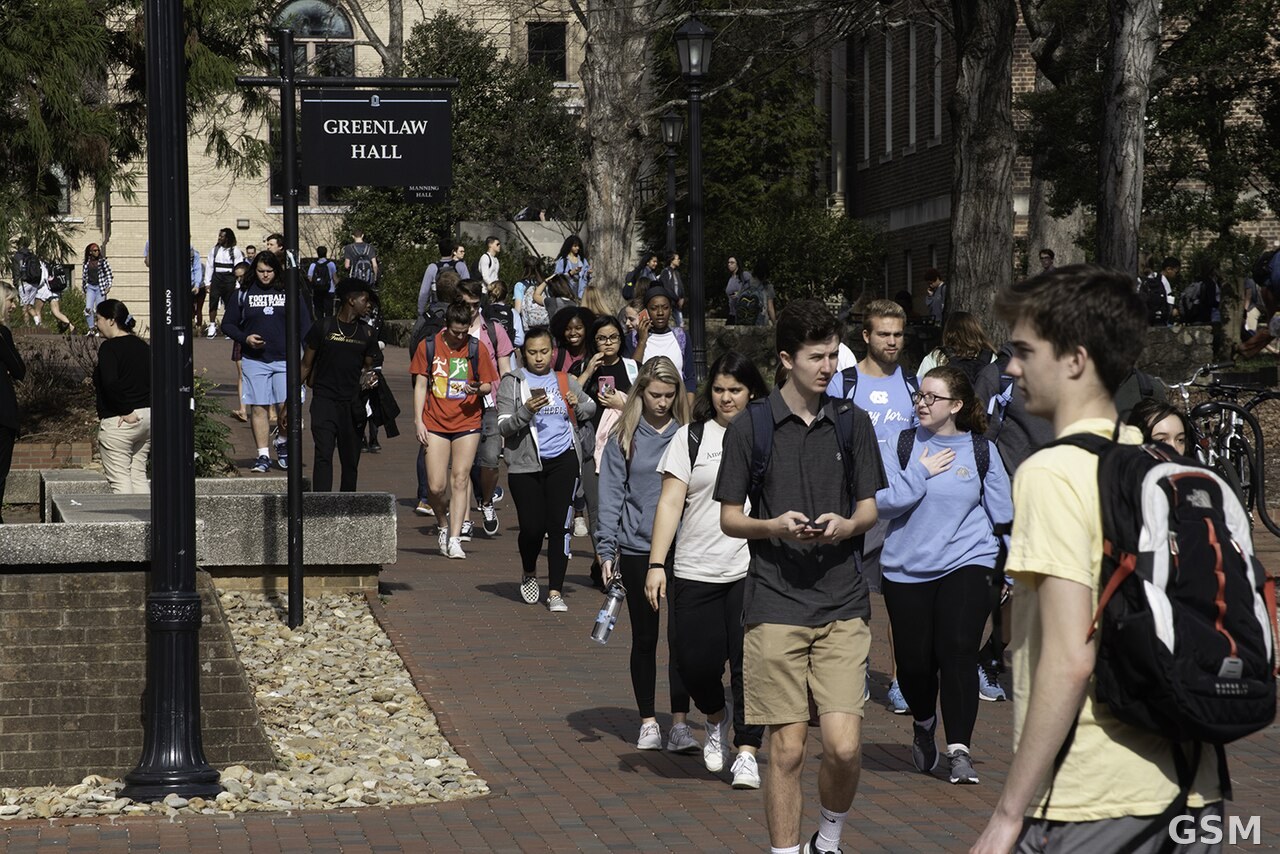
图片来源:图片来源:Wikimedia Commons「Students walking through UNC campus」(CC BY-SA 4.0),图中为大学生在校园内行走 Image: Wikimedia Commons, "Students walking through UNC campus" (CC BY-SA 4.0), showing university students walking on campus
GSM Global · 本篇英文版 English edition of this story