佐治亚医学院学者 Kunzhe Dong 获NIH 380万美元拨款:研究动脉粥样硬化机制

奥古斯塔大学佐治亚医学院11月13日宣布,该院研究者 Kunzhe Dong 博士获得美国国立卫生研究院(NIH)380万美元拨款,研究一种名为 PRDM16-DT 的分子在动脉粥样硬化形成中的作用。
动脉粥样硬化是动脉内壁形成斑块、血管逐渐狭窄变硬的过程,是心脏病发作与中风的主要病因。Kunzhe Dong 的研究关注血管细胞中 PRDM16-DT 这一分子的调控机制,试图解释斑块为何形成、在什么条件下加速或稳定。
研究团队表示,这项工作属于基础机制研究,目标是找到可以干预斑块进程的新靶点,为将来开发不同于现有降脂药物的治疗思路打基础。这笔拨款将支持其实验室未来数年的研究工作。
(来源:奥古斯塔大学)
Medical College of Georgia Scientist Kunzhe Dong Wins $3.8 Million NIH Grant on Atherosclerosis
The Medical College of Georgia at Augusta University announced on November 13 that researcher Kunzhe Dong, PhD, has received a $3.8 million grant from the National Institutes of Health (NIH) to study the role of a molecule called PRDM16-DT in the development of atherosclerosis.
Atherosclerosis, the buildup of plaque that narrows and hardens arteries, is the main underlying cause of heart attacks and strokes. Dong's research focuses on how PRDM16-DT regulates vascular cells, aiming to explain why plaques form and under what conditions they accelerate or stabilize.
The team describes the work as basic mechanism research whose goal is to identify new targets for intervening in plaque progression, laying groundwork for treatment approaches distinct from today's cholesterol-lowering drugs. The grant will support the laboratory's research over the coming years.
(Source: Augusta University)
来源:奥古斯塔大学
发布:GSM·美国(发布链接)
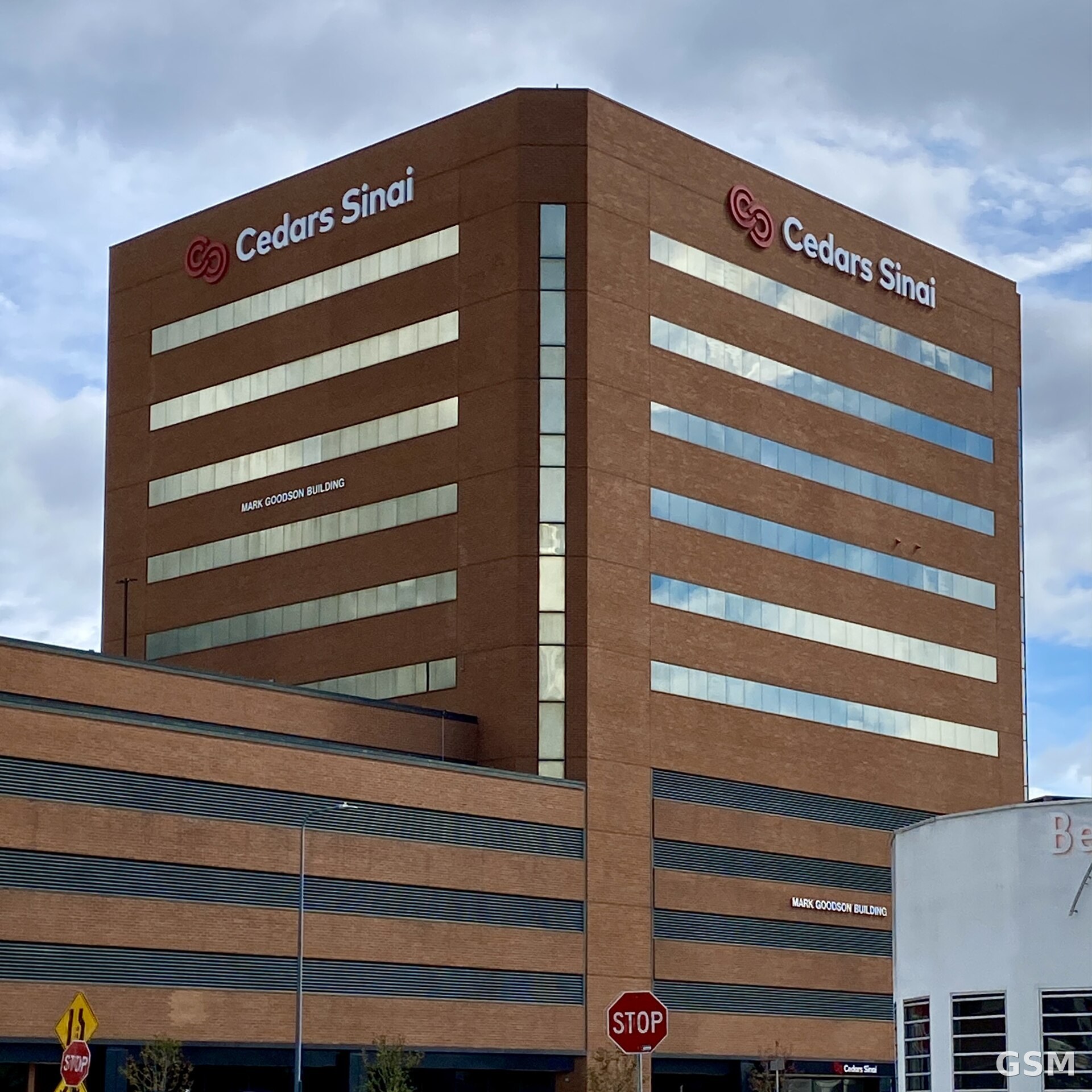
图片来源:Wikimedia Commons:File:Augusta, GA Downtown Skyline 2017.jpg(开放授权)
GSM Global · 本篇英文版 English edition of this story