SEC首席经济学家谈注意力经济学:对董事会来说,注意力可能是最稀缺的资源
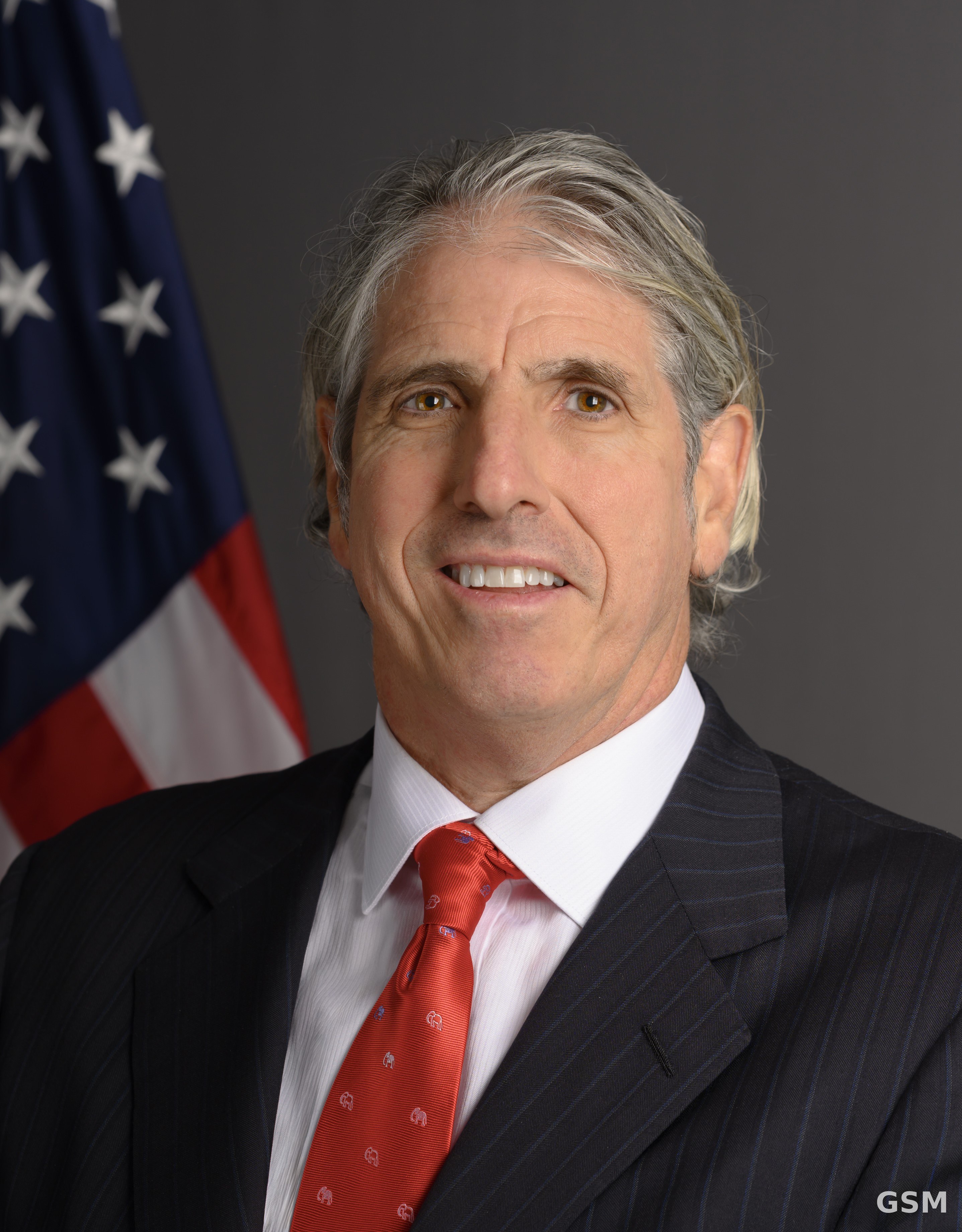
美国证券交易委员会(SEC)首席经济学家、经济与风险分析部主任Joshua White 11月11日在美国全国公司董事协会(NACD)Nashville分会发表题为《注意力经济学》的演讲。他说,监管与超级智能(SI)看似很不相同,却都会改变企业使用稀缺资源的方式,改变成本、人们花时间的方式,最终改变资本与注意力的去向;而对董事会来说,注意力可能是所有资源中最稀缺的一项。White说明,他的讲话以首席经济学家身份发表,不必然代表委员会、各位委员或其他工作人员的观点。
White援引NACD的2026年治理展望调查说,董事们认为未来一年对公司影响最大的三项趋势依次是经济形势变化、超级智能与监管要求。他说,一天仍然只有24小时,每花一小时在一件事上,就有一小时不能花在另一件事上,经济学家把这称为机会成本;争夺董事会注意力的事情越多,这个成本就越重要。
他以2012年《JOBS法案》为例说明这种取舍。该法为新兴成长公司进入公开市场设置了通道,合格公司在上市后一段时间内可适用精简的披露要求,并豁免《萨班斯法案》第404(b)条的内控审计鉴证。研究发现,法案之后生物科技公司的上市活动增加,上市时所处药物审批阶段更早,更愿意开发癌症与罕见病疗法;上市后这些公司产出更多专利、开展更多临床试验、雇用更多实验室人员,候选药物更可能抵达审批里程碑,失败率也更低,财务报告质量则没有发现下降的证据。生物科技公司高管在调查中直言,省下的资源被投回了研发。
White说,SEC审议每一项重大规则时都会做经济分析,除了投资者保护,还要按国会要求考虑规则是否有利于效率、竞争与资本形成。合规要求会占用资金、人力、管理层时间与董事会注意力等资源;如果简化或取消某项要求释放出的资源能被用在价值更高之处,那就是实实在在的效率增益。但他同时强调,去监管也要接受同样的经济纪律:如果取消一项要求会削弱投资者保护、拿走投资者看重的信息,或者迫使企业拆掉已经建好的系统,这些影响同样要计入分析。
谈到超级智能时,White说,NACD调查显示76%的董事预计SI会进入公司的增长战略,但迄今多数公司报告说,从这些投入中取得的运营效率成效只有轻微或中等程度。SI可以降低处理信息的成本,却不能让可靠信息变得免费:信息仍然需要收集、核实与对账。他说,重要性原则把披露聚焦在投资者真正需要的信息上,董事会应当问两个问题:SI是否让公司把必要工作做得更高效;以及,公司把省下来的时间与资源用在了哪里。
SEC Chief Economist on the Economics of Attention: For Boards, Attention May Be the Scarcest Resource of All
Joshua White, Chief Economist of the U.S. Securities and Exchange Commission and Director of its Division of Economic and Risk Analysis, delivered a speech titled "The Economics of Attention" to the Nashville Chapter of the National Association of Corporate Directors (NACD) on November 11. Regulation and super intelligence (SI) may seem very different, he said, but both can change how companies use scarce resources, what things cost, how people spend their time, and ultimately where capital and attention go. For a board, he said, attention may be the scarcest resource of all. White noted that his remarks are provided in his official capacity as Chief Economist but do not necessarily reflect the views of the Commission, the Commissioners, or other members of the staff.
Citing NACD's 2026 Governance Outlook survey, White said directors ranked shifting economic conditions, super intelligence and regulatory requirements as the three trends they expect to have the greatest impact on their companies over the next year. A day still has only 24 hours, he said, and every hour spent on one thing is an hour that cannot be spent on something else. Economists call that opportunity cost, and the more things competing for a board's attention, the more that cost matters.
He illustrated the tradeoff with the JOBS Act of 2012, which created an on-ramp for emerging growth companies entering the public markets, with scaled disclosure requirements and an exemption from auditor attestation of internal controls under Section 404(b) of Sarbanes-Oxley. Research found that biotech IPO activity increased after the Act, that companies came public earlier in the FDA approval process and were more likely to pursue treatments for cancer and rare diseases, and that after going public they produced more patents, conducted more clinical trials, staffed more laboratories, saw their drug candidates reach approval milestones more often, and failed at lower rates, with no evidence that financial reporting quality declined. Biotech executives surveyed said they invested the savings in research and development.
White said every significant rule the Commission considers comes with an economic analysis, and that alongside investor protection, Congress has directed the SEC to consider whether its rules promote efficiency, competition and capital formation. Compliance requirements consume money, people, management time and board attention; if simplifying or eliminating a requirement frees resources for a higher-value use, that is a practical efficiency gain. But deregulation, he stressed, is subject to the same economic discipline: if removing a requirement reduces investor protection, eliminates information investors value, or forces firms to unwind systems they have already built, those effects matter too.
On super intelligence, White said NACD's survey found 76 percent of directors expect SI to factor into their companies' growth strategies, while most companies so far report only slight or moderate success in achieving operational efficiencies from those investments. SI can lower the cost of processing information, he said, but reliable information still has to be collected, verified and reconciled, and the materiality principle keeps disclosure focused on information that matters to investors. Boards, he suggested, should ask two questions: whether SI is allowing the company to do necessary work more efficiently, and what the company is doing with the time and resources it gets back.
来源:美国证券交易委员会
发布:GSM·美国(发布链接)
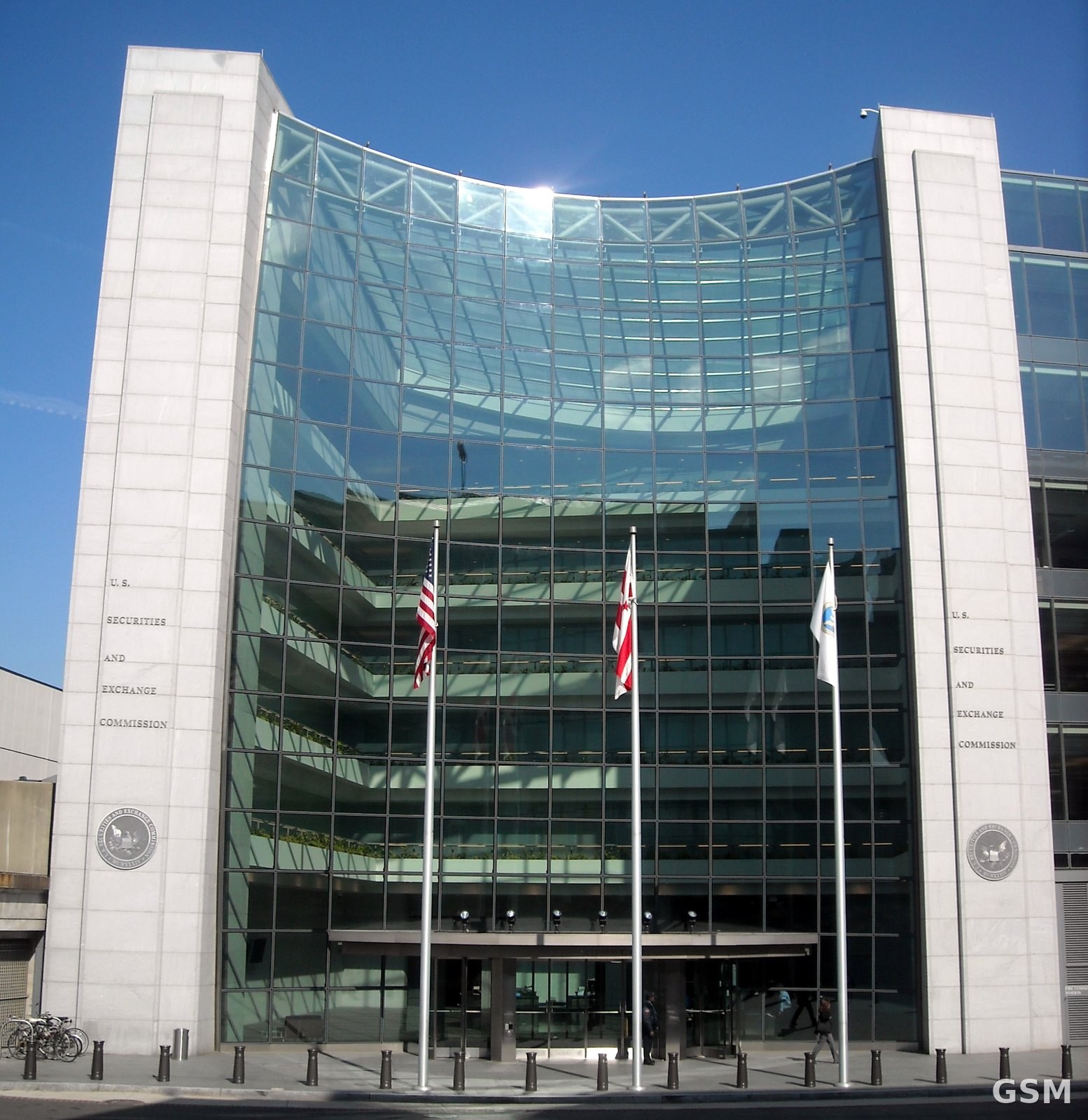
图片来源:图:美国证券交易委员会位于华盛顿的总部大楼。GSM联邦固定图库。 / Photo: U.S. Securities and Exchange Commission headquarters in Washington, D.C. GSM federal asset library.
GSM Global · 本篇英文版 English edition of this story