萨里大学铁基催化剂推进锂二氧化碳电池:最佳催化剂放电容量近未改性参照的 4 倍,充电回收 93% 并完成 92 次循环
英国萨里大学 11 月 11 日报道的一项研究显示,一类新的铁基催化剂可让使用二氧化碳的可充电电池更接近实用。研究发表于 Journal of Power Sources 期刊。
报道称,锂二氧化碳电池被视为当今锂离子电池的一种有前景的替代方向,理论上可在相同重量下储存多得多的能量,但该技术仍处早期阶段,在可靠性与寿命等方面尚不及已商用的锂离子电池。
报道指出,锂二氧化碳电池的一大难题是找到能让其高效充放电的催化剂,许多最有效的催化剂依赖铂、钌、铱等昂贵稀缺的贵金属,引发成本与大规模生产适用性的顾虑。
萨里团队在研究中显示,用铁、钼等更易获得的金属制成的催化剂,性能可与此前报道的贵金属催化剂相当,在某些指标上还更好。
测试中,团队表现最佳的催化剂放电容量接近未改性参照材料的 4 倍,充电时回收了 93% 的电量,并在每次放电量受限的实验室条件下完成 92 次充放电循环。
制备方面,团队把铁引入钼基化合物后加热至不同温度,观察结构变化对电池性能的影响,发现加热至 500 摄氏度效果最佳,形成氧化钼与磷酸铁的组合,使充放电化学反应更高效。
通讯作者、萨里大学化学工程高级讲师 Siddharth Gadkari 说,研究攻克了阻碍这类电池发挥潜力的关键障碍之一,证明不依赖昂贵贵金属也能取得强劲的电池性能。另一位通讯作者 Daniel Commandeur 说,这类电池进入日常设备还有很长的路,当前结果是在实验室中展示了材料能达到的水平,下一个挑战是让其在更长时间内稳定保持这一表现。
团队表示,下一步希望继续提高催化剂的性能与耐久性,并探索其用于其他二氧化碳转化技术的可能性。
University of Surrey Iron-Based Catalysts Advance Lithium-CO2 Batteries: Best Catalyst Delivers Nearly Four Times the Discharge Capacity, Recovers 93 Percent on Recharge and Completes 92 Cycles
A new class of iron-based catalysts could bring scientists a step closer to developing cheaper and more sustainable rechargeable batteries that use carbon dioxide, according to research from the University of Surrey reported on November 11. The study was published in the Journal of Power Sources.
Lithium-CO2 batteries are being explored as a promising alternative to lithium-ion batteries because, in theory, they could store substantially more energy for the same weight, the report said. The technology is still in the early stages of development, with commercial lithium-ion batteries currently outperforming them in areas such as reliability and lifespan.
One of the biggest challenges is finding catalysts that help the batteries charge and discharge efficiently. Many of the most effective catalysts rely on expensive and scarce precious metals such as platinum, ruthenium and iridium, raising concerns about cost and suitability for large-scale production.
Surrey researchers have shown that catalysts made using more widely available metals, including iron and molybdenum, can perform in a way that is comparable to, and in some measures better than, previously reported catalysts containing expensive precious metals.
In tests, the team best-performing catalyst delivered nearly four times the discharge capacity of an unmodified reference material. It also recovered 93 percent of the electrical charge during recharging and completed 92 charge-discharge cycles in the laboratory, where the amount of charge released during each cycle was deliberately limited.
To develop the catalysts, the team introduced iron into a molybdenum-based compound before heating it to different temperatures. Heating the material to 500 degrees Celsius produced the best results, creating a combination of molybdenum oxide and iron phosphate that helped the charging and discharging reactions take place more efficiently.
Corresponding author Dr. Siddharth Gadkari, senior lecturer in chemical engineering at the University of Surrey, said the research tackles one of the key barriers preventing these batteries from reaching their potential, showing that strong performance is possible without relying on expensive precious metals. Corresponding author Dr. Daniel Commanduer said there is still a long way to go before lithium-CO2 batteries appear in everyday devices, and that the next challenge is delivering the performance consistently over much longer periods.
The team now hopes to improve the performance and durability of the catalysts, while also exploring whether they could be used in other technologies that convert carbon dioxide.
发布:GSM·美国(发布链接)
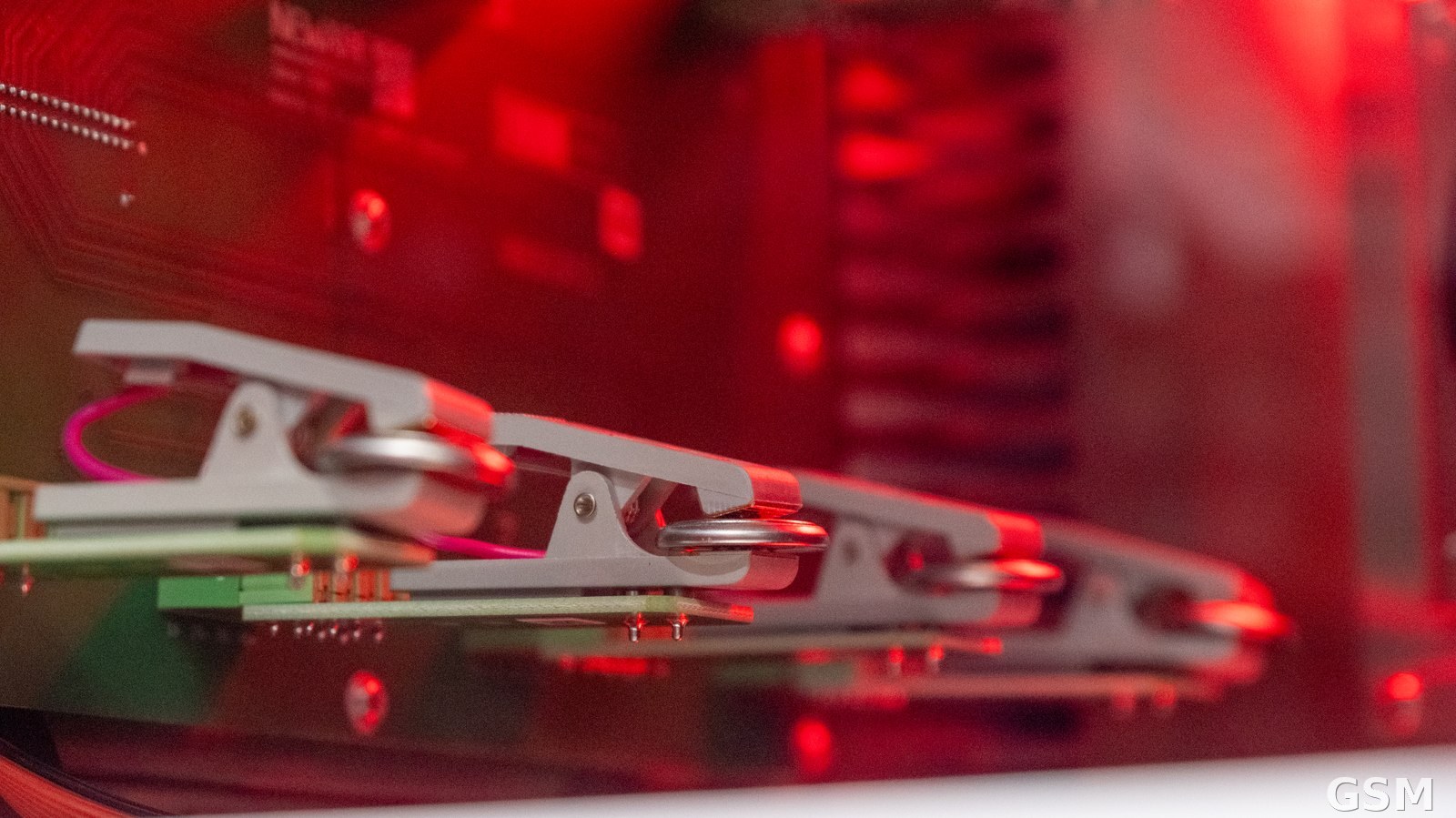
图片来源:图:实验室测试夹具中的多枚锂离子纽扣电池,连接着测试线缆。Chingo K 摄,CC BY 4.0,经 Wikimedia Commons / Photo: Lithium-ion coin cell batteries in laboratory testing fixture. By Chingo K, CC BY 4.0, via Wikimedia Commons
GSM Global · 本篇英文版 English edition of this story