默多克大学追踪 18 只卡纳比黑凤头鹦鹉:破碎化景观中每日觅食路程约为连通景观的 3 倍,小块原生植被成踏脚石
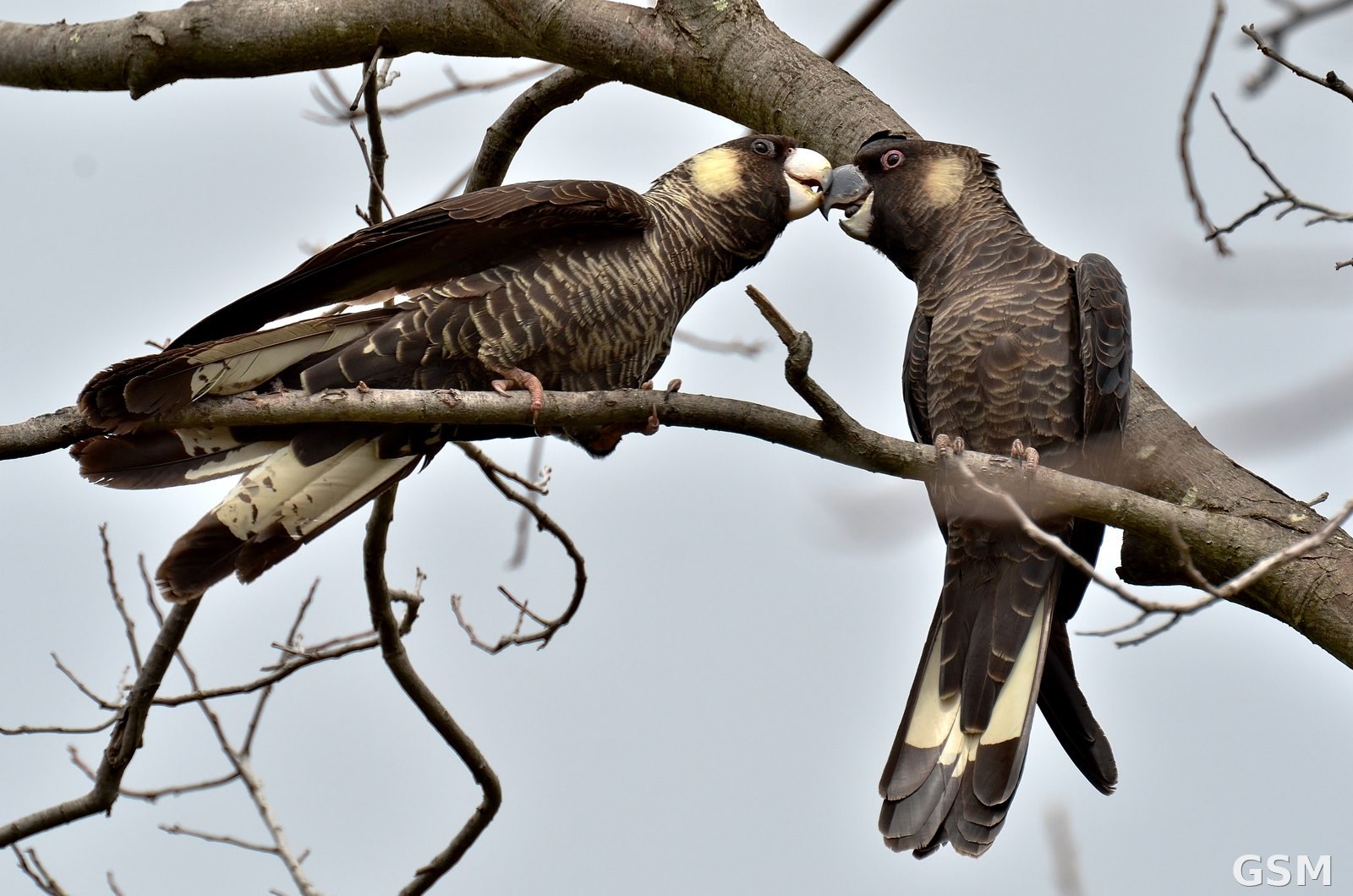
澳大利亚默多克大学 11 月 11 日报道的一项新研究显示,濒危的卡纳比黑凤头鹦鹉依赖小块破碎的原生植被,在已被大量开垦的景观中生存。研究发表于 Landscape Ecology 期刊。
研究团队由哈里巴特勒研究所的 Jill Shephard 与 Zoe Kissane 带领,旨在弄清栖息地丧失与破碎化如何影响卡纳比黑凤头鹦鹉在繁殖季的活动。该物种在西澳大利亚州面临栖息地丧失与破碎化等威胁,通常在 7 月至 12 月繁殖,并常年复一年返回同一繁殖区。
团队在小麦带地区 5 处内陆繁殖点,为 18 只野生卡纳比黑凤头鹦鹉装上 GPS 卫星标签,在整个繁殖季追踪其活动。
结果显示,生活在破碎化景观中的鹦鹉每天为觅食飞行的距离,一般是生活在破碎程度较低景观中个体的约 3 倍。Kissane 说,在原生植被高度破碎的 Coomallo,鹦鹉平均每天飞行超过 37 公里觅食;在栖息地连通性较好的 Tenterden,则只略多于 10 公里。
研究最受关注的发现是,小块且已退化的原生植被仍然极为重要。Kissane 说,看似孤立的原生植被碎片,实际上可充当关键的踏脚石,让鹦鹉在较大的栖息地之间安全移动。
Kissane 说,保护工作传统上侧重保护大面积优质栖息地,但该研究表明保护小块植被同样重要。她指出,按联邦政府黑凤头鹦鹉指引,觅食栖息地小于 1 公顷、或低质量栖息地小于 10 公顷的开垦提案,通常无需送交监管机构审批,但研究数据显示鹦鹉经常使用远低于这些面积门槛的小块栖息地,包括被列为低质量的栖息地,说明现行面积门槛低估了小块残余植被的价值。
Murdoch University Tracks 18 Carnaby Cockatoos: Birds in Fragmented Landscapes Travel About Three Times Farther Each Day, With Small Bushland Patches Acting as Stepping Stones
New research from Murdoch University in Australia, reported on November 11, has revealed that endangered Carnaby cockatoos depend on small, fragmented patches of native vegetation to survive in heavily cleared landscapes. The study was published in the journal Landscape Ecology.
The research team, led by Dr. Jill Shephard and Dr. Zoe Kissane from the Harry Butler Institute, wanted to understand how habitat loss and fragmentation affected the movements of Carnaby cockatoos during their breeding season. The birds usually breed between July and December and often return to the same breeding areas each year.
The team fitted GPS satellite tags to 18 wild Carnaby cockatoos at five inland breeding sites across the Wheatbelt and tracked their movements throughout the breeding season.
The results showed that birds in fragmented landscapes generally had to travel three times farther each day to find food than birds living in less fragmented landscapes. At Coomallo, where native vegetation was heavily fragmented, birds traveled more than 37 kilometers a day on average to find food, Kissane said. At Tenterden, where habitat remained more connected, they traveled just over 10 kilometers a day.
The most interesting finding was that small, degraded patches of native vegetation still appeared to be extremely important, the researchers said. Kissane said an isolated fragment of native vegetation can serve as a vital stepping stone, allowing the cockatoos to move safely between larger habitat areas.
Kissane said conservation efforts have traditionally focused on protecting large, high-quality habitat, but the study shows protecting small patches is important too. Under federal Black Cockatoo Referral Guidelines, clearing less than 1 hectare of foraging habitat, or less than 10 hectares of low-quality habitat, is unlikely to require a referral, she said, while the data show the birds regularly use small patches considerably below those size thresholds, including habitat classified as low quality.
发布:GSM·美国(发布链接)
图片来源:图:一只卡纳比黑凤头鹦鹉(白尾黑凤头鹦鹉)在西澳大利亚珀斯栖于枝头。Laurie Boyle from Perth Western Australia, Austr 摄,CC BY-SA 2.0,经 Wikimedia Commons / Photo: Carnaby's Black Cockatoo, Perth, Western Australia (9797604974). By Laurie Boyle from Perth Western Australia, Austr, CC BY-SA 2.0, via Wikimedia Commons
GSM Global · 本篇英文版 English edition of this story