联合国开发计划署报告:应对厄尔尼诺若等灾后才行动,保护脆弱家庭的成本将翻倍至730亿美元
联合国开发计划署(UNDP)11月10日在土耳其安塔利亚举行的第31届联合国气候变化大会(COP31)期间发布报告《变暖世界中等待的代价:为何气候投资不能等到下一场灾害》:为应对一场可能破纪录的2026/27年厄尔尼诺,现在就为发展中国家的脆弱家庭提供早期保护,成本至多约360亿美元;若等到灾害造成损失后再行动,成本将升至至多730亿美元,接近翻倍。
报告估计,在没有政策干预的情况下,发展中经济体的食品价格若上涨5%,可能在2026年把3,700万人推到中高收入贫困线以下。开发计划署与经济合作与发展组织的模型显示,气候不作为的更广泛代价可达至多6万亿美元;而更有雄心的国家气候政策配合发展措施,到2050年可让另外1.75亿人摆脱极端贫困。开发计划署署长 Alexander De Croo 说:「厄尔尼诺威胁的是人们赖以为生的根本:桌上的食物、清洁的水和稳定的生计。我们已经收到了警告,也知道及早行动可以保护数百万人、节省数十亿美元。承受这些风险的人等不起。」他11月13日在安塔利亚受访时重申:「不行动是最昂贵的气候政策。」
厄尔尼诺是太平洋赤道海域周期性变暖引发的全球气候现象,强厄尔尼诺通常在多地引发干旱、洪水与极端高温,冲击粮食生产与价格。美国气候预测中心11月12日评估,今年厄尔尼诺继续增强、形成「超级厄尔尼诺」的概率约六成。
关联:厄尔尼诺继续增强:气候预测中心估「超级厄尔尼诺」概率约六成,加州今冬偏湿风险上升
(来源:联合国开发计划署)
UNDP Report: Waiting Until After El Niño Strikes Could Roughly Double the Cost of Protecting Vulnerable Households, to $73 Billion
The UN Development Programme (UNDP) released a report, 'The Cost of Waiting in a Warmer World: Why Climate Investment Cannot Wait for the Next Disaster,' on November 10 during the COP31 climate conference in Antalya, Türkiye. Acting now to protect vulnerable households in developing countries ahead of a potentially record-breaking 2026/27 El Niño could cost up to US$36 billion, the report estimates; waiting to respond until after the damage is done could cost up to US$73 billion, roughly double.
Without policy intervention, the report estimates, a 5% increase in food prices across developing economies could push 37 million people below the upper-middle-income poverty line in 2026. Modelling by UNDP and the OECD puts the broader cost of climate inaction at up to US$6 trillion, while more ambitious national climate policies combined with development measures could lift an additional 175 million people out of extreme poverty by 2050. 'El Niño threatens the essentials people depend on: food on the table, clean water and a secure livelihood,' said UNDP Administrator Alexander De Croo. 'We have warnings, and we know that acting early can protect millions of people and save billions of dollars. People facing these risks cannot afford delay.' Speaking in Antalya on November 13, he added: 'Not acting is the most expensive climate policy.'
El Niño, the periodic warming of the equatorial Pacific, disrupts weather worldwide; strong events typically bring droughts, floods and extreme heat that hit food production and prices. On November 12, the U.S. Climate Prediction Center assessed that this year's El Niño keeps strengthening, with the odds of a 'super El Niño' near 60%.
(Source: UN Development Programme)
来源:联合国开发计划署
发布:GSM·美国(发布链接)
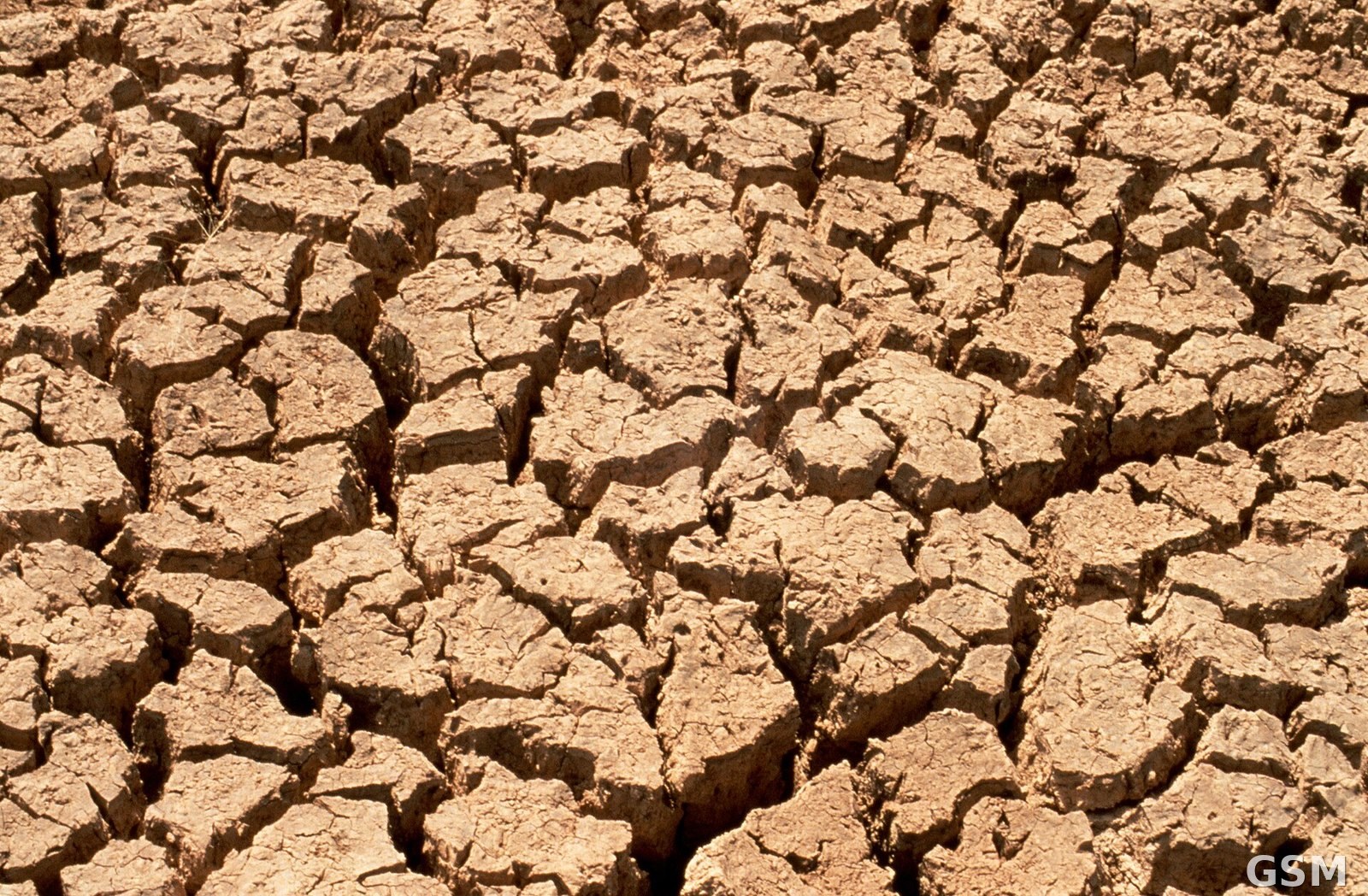
图片来源:图:干旱龟裂的土壤(资料图,CC BY 3.0,澳大利亚联邦科学与工业研究组织,经 Wikimedia Commons)。 / Photo: Drought-cracked soil (file photo; CC BY 3.0, CSIRO, via Wikimedia Commons).
GSM Global · 本篇英文版 English edition of this story