距地球约 1000 光年的热木星 TOI-2535 b 凌星消失:加州大学洛杉矶分校团队称未见邻居行星令其轨道如陀螺般摆动
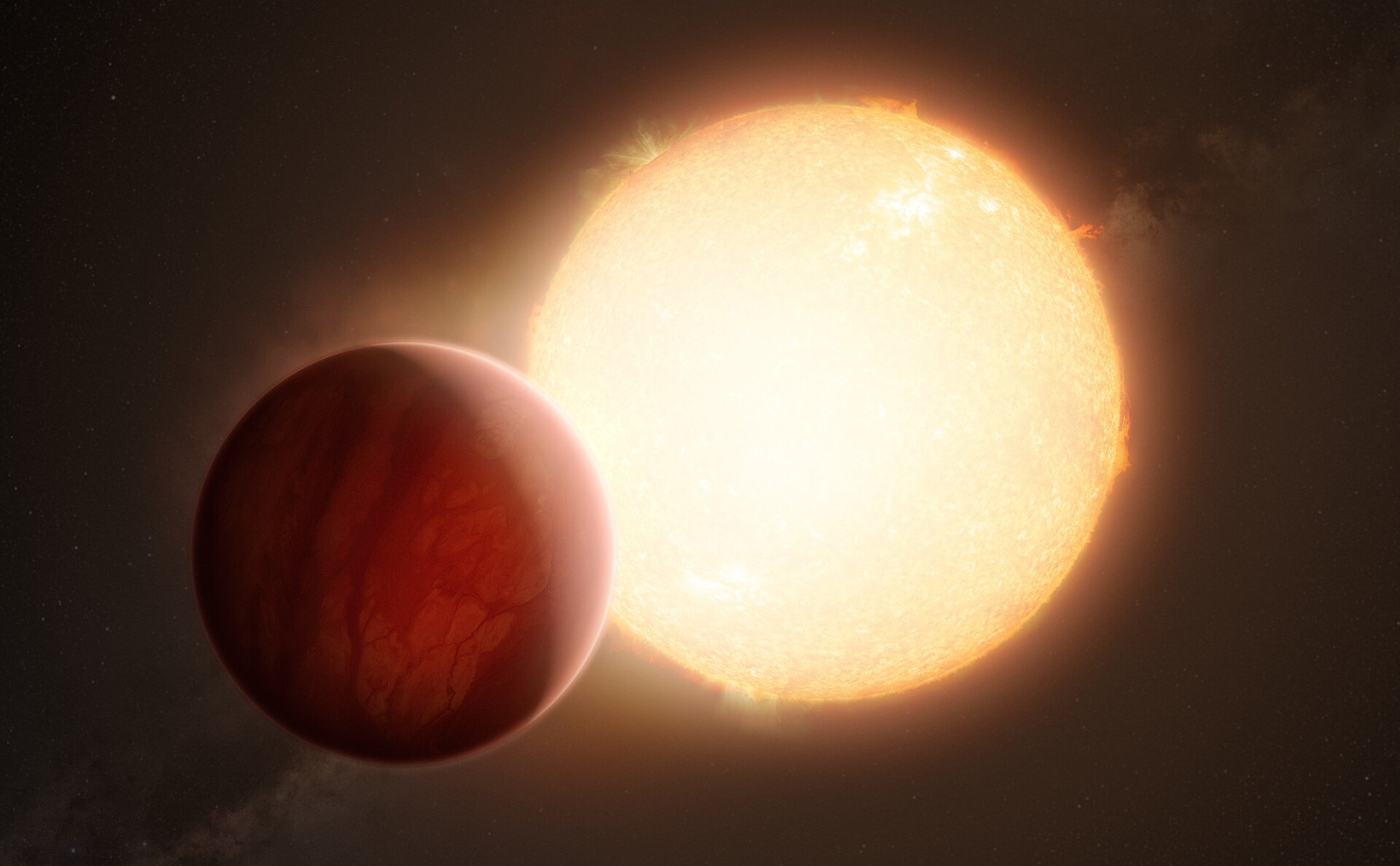
美国加利福尼亚州洛杉矶市消息,加州大学洛杉矶分校牵头的天文学团队 11 月 9 日宣布发现首例已知的消失行星,对象是距地球约 1000 光年的气态巨行星 TOI-2535 b。
TOI-2535 b 属于热木星,即紧贴母恒星运行的气态巨行星,其公转周期只有 8.25 天。加州大学洛杉矶分校的发布以水星作对照,水星绕太阳一周需 88 天,这颗行星的公转速度约为水星的十倍。
研究人员在七年间多次观测到它凌星,即从其恒星前方经过,随后便完全观测不到凌星。该行星最初由美国国家航空航天局的凌日系外行星巡天卫星(TESS)在 2019 年 4 月至 2026 年 3 月间拍摄的 TOI-2535 恒星系统图像中辨认出来。团队在发布中指出,行星并未真正消失,其凌星信号先是逐渐变浅、变短,最终在 2026 年不再出现。
团队发表于《天体物理学杂志快报》的论文给出的解释是引力作用。一颗尚未被直接观测到的邻居行星在拉扯 TOI-2535 b,其轨道面与 TOI-2535 b 的轨道面互成倾角。计算显示,两颗行星令彼此的轨道如陀螺般摆动,各自斜着绕恒星运行,摆动把它们的轨道倾出对齐位置,凌星随之从视线中消失。
论文通讯作者、加州大学洛杉矶分校 51 Pegasi b 博士后研究员 Samuel Yee 在发布中参与说明了这一发现。团队还使用了位于美国亚利桑那州基特峰国家天文台的 WIYN 3.5 米望远镜等设备作后续观测。
团队预计,TOI-2535 b 下一次凌星要等到 30 至 50 年之后的某个时点,届时摆动会把它带回对齐位置。那颗隐藏的邻居行星则可能更早进入可观测范围。
Hot Jupiter TOI-2535 b, About 1,000 Light-Years Away, Stops Transiting: UCLA Team Says an Unseen Neighbor Makes Its Orbit Wobble Like a Top
Los Angeles, California. Astronomers led by the University of California, Los Angeles announced on November 9 the first known disappearing planet, the gas giant TOI-2535 b, located about 1,000 light-years from Earth.
TOI-2535 b is a hot Jupiter, a gas giant that orbits extremely close to its host star, completing one orbit in only 8.25 days. UCLA's release compares that with Mercury, which takes 88 days to circle the Sun, making this planet's orbit about ten times faster.
Researchers observed the planet transit its star multiple times over seven years, until they stopped seeing it altogether. The planet was identified in images of the TOI-2535 star system taken by NASA's Transiting Exoplanet Survey Satellite, known as TESS, between April 2019 and March 2026. According to the team, the transit signals first grew shallower and shorter over time, then failed to appear at all in 2026. The planet has not truly vanished.
The explanation published in The Astrophysical Journal Letters is gravitational. An unseen neighboring planet is pulling on TOI-2535 b, on an orbit tilted relative to it. The team's calculations show that the two planets make each other's orbits wobble like a top, causing each to circle its star obliquely and vanish from view as the wobble tilts them out of alignment.
Samuel Yee, a 51 Pegasi b Postdoctoral Fellow at UCLA and the paper's corresponding author, described the discovery in the release. Follow-up observations included the WIYN 3.5-meter telescope at Kitt Peak National Observatory in Arizona.
The team predicts TOI-2535 b will next transit its star sometime in 30 to 50 years, when the wobble brings it back into alignment, while its hidden neighbor may come into view sooner.
发布:GSM·美国(发布链接)
图片来源:Wikipedia/Wikimedia Commons 词条主图:Hot Jupiter
GSM Global · 本篇英文版 English edition of this story