Medicare保费可以由州政府帮付:四项储蓄计划按收入分档,2026年个人月收入上限1350美元起
许多收入不高的 Medicare 参保人并不知道,自己的保费可能一直可以由州政府代付。Medicare 官网介绍,联邦与各州设有四项「医疗保险储蓄计划」(Medicare Savings Programs),由州 Medicaid 项目按收入和财产分档,帮助低收入参保人支付 Medicare 的保费,部分档位连自付额和共付额也一并承担。
帮助最全的是合格 Medicare 受益人计划(QMB):2026年个人月收入上限1,350美元、夫妻1,824美元,财产上限个人9,950美元、夫妻14,910美元。入选者可免 Part A 保费(对没有免费 Part A 的人),Part B 保费、自付额、共同保险和共付额也由计划承担,医疗机构不得再向 QMB 入选者收取 Medicare 保障范围内的这些费用。
门槛稍高的是指定低收入受益人计划(SLMB,个人月收入上限1,616美元、夫妻2,184美元)和合格个人计划(QI,个人1,816美元、夫妻2,455美元),两档只帮付 Part B 保费;QI 须每年重新申请,各州按先到先得审批、上年入选者优先。第四项 QDWI 面向因返工而失去残障福利和免费 Part A 的残障工作者,只帮付 Part A 保费,收入上限明显更高(个人月收入5,405美元)。
四个档位入选者都会自动获得处方药「额外帮助」(Extra Help),2026年其药物计划覆盖的每种药自付不超过12.65美元。
官网特别提醒,以上是联邦口径的上限:各州的实际审核可能不计某些收入或财产,阿拉斯加和夏威夷的收入上限略高,收入或财产略超联邦线的人也可能在本州合格。申请通过各州 Medicaid 机构办理,是否符合资格,最终以本州审核为准。(来源:美国医疗保险和医疗补助服务中心)
Four Medicare Savings Programs Can Pay Your Premiums: 2026 Income Limits Start at $1,350 a Month for the Fullest Help
Many lower-income Medicare enrollees do not realize the state may be able to pay their Medicare premiums for them. According to Medicare.gov, the four Medicare Savings Programs, run through state Medicaid programs, help people with limited income and resources pay Medicare premiums, and at the fullest level also deductibles, coinsurance and copayments.
The most comprehensive is the Qualified Medicare Beneficiary (QMB) Program. For 2026, its limits are monthly income of $1,350 for an individual or $1,824 for a married couple, with resources capped at $9,950 and $14,910. QMB pays Part A premiums for those who do not have premium-free Part A, plus Part B premiums, deductibles, coinsurance and copayments, and Medicare providers are not allowed to bill QMB enrollees for those covered costs.
Two programs pay Part B premiums only: the Specified Low-Income Medicare Beneficiary (SLMB) Program, with 2026 monthly income limits of $1,616 for an individual and $2,184 for a couple, and the Qualifying Individual (QI) Program, at $1,816 and $2,455. QI requires an application every year, and states approve applications on a first-come, first-served basis, with priority for people who received QI the previous year. The fourth program, QDWI, helps disabled workers who lost premium-free Part A when they returned to work; it pays Part A premiums only, with a higher individual income limit of $5,405 a month.
Enrollees in all four programs also receive Extra Help with prescription drug costs, paying no more than $12.65 in 2026 for each drug covered by their Medicare drug plan.
Medicare.gov notes that these are federal limits: some states do not count certain types or amounts of income or resources, limits are slightly higher in Alaska and Hawaii, and people above the federal figures may still qualify in their state. Applications go through state Medicaid agencies, which make the final eligibility decision. (Source: Centers for Medicare & Medicaid Services)
来源:美国医疗保险和医疗补助服务中心
发布:GSM·美国(发布链接)
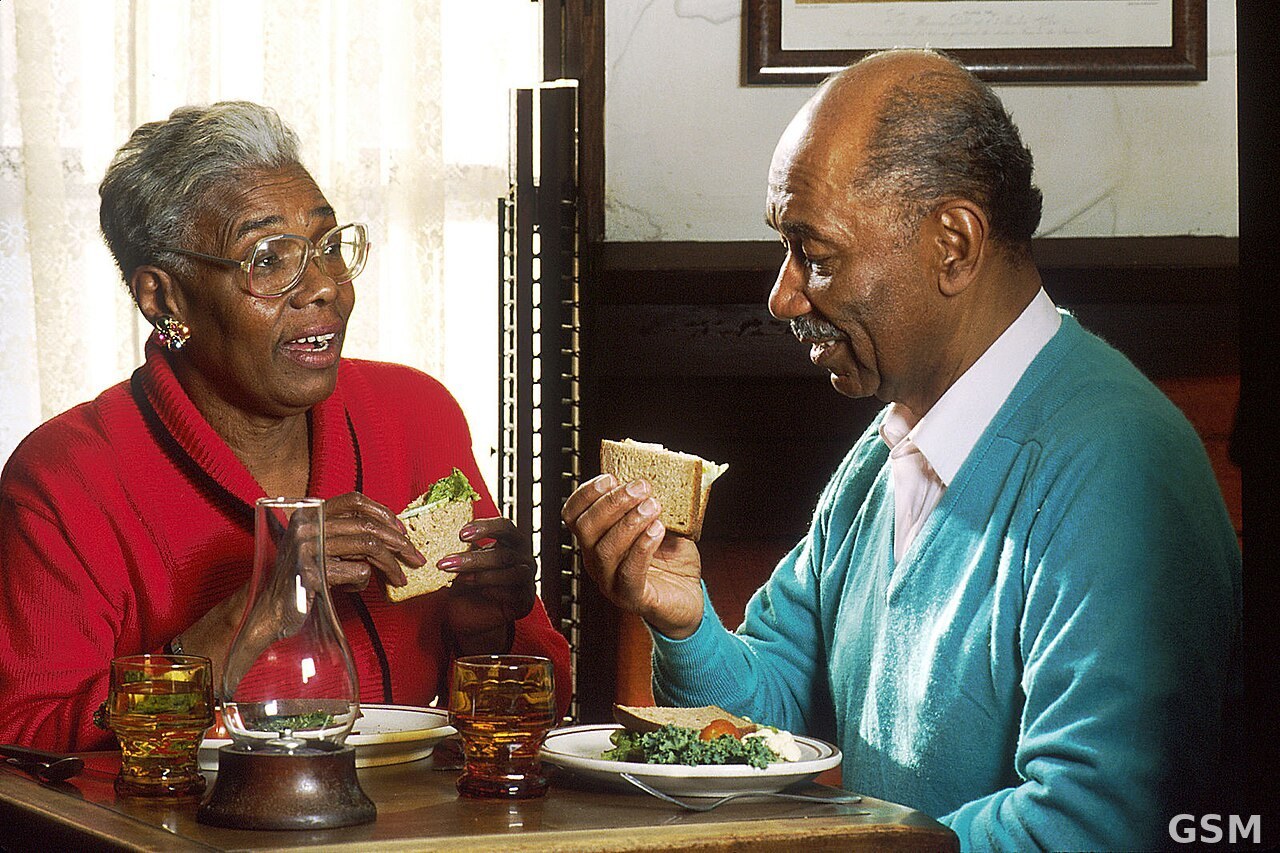
图片来源:图:一对长者夫妇在家中。Wikimedia Commons 图片(CC0)。 / Photo: An older couple at home. Image via Wikimedia Commons (CC0).
GSM Global · 本篇英文版 English edition of this story