每四个65岁以上长者就有一人每年跌倒:国家老龄研究所列出防跌倒的四道防线
在地毯边绊一下、在湿地板上滑一下,对年轻人是小事,对长者可能意味着骨折、住院甚至长期失能。美国国家老龄研究所(NIA)的防跌倒指引说,65岁以上人群中,每年有超过四分之一的人跌倒,风险随年龄上升;但指引同时强调,许多跌倒是可以预防的。
跌倒的原因往往叠加在一起:视力、听力和反应不如从前,糖尿病、心脏病、足部问题等疾病影响平衡,肌肉随年龄流失(肌少症),起身太快时血压骤降,以及某些药物带来的头晕和困倦。药物吃得越多,跌倒的可能性越大。家里的环境隐患,如松动的地毯和湿滑的地面,同样是常见导火索。
预防的第一道防线是运动。规律锻炼能增强肌肉力量、保持关节灵活,瑜伽、普拉提和太极可以改善平衡;第二道是管好药物,任何让自己发晕犯困的药,都要告诉医生或药剂师;第三道是定期检查视力和听力,换新眼镜后给自己留出适应时间;第四道是把家改安全,并养成慢起身、穿防滑低跟鞋、手不提满东西以便扶栏杆等习惯。
指引还提醒两件事:一是保钙和维生素D、每周至少活动150分钟,把骨头养结实,万一跌倒也不容易骨折;二是只要跌倒过,哪怕没摔疼,下次体检也要告诉医生,因为一次跌倒可能提示新的健康问题或药物、视力方面的问题,医生可以据此调整,还可能建议物理治疗或合适的助行器具。
如果真的跌倒,先别急着起身:深呼吸、原地静躺片刻,判断自己是否受伤;能动的话,侧身翻转、手膝着地爬到结实的椅子旁,扶椅慢慢坐起。伤了或起不来就呼救或拨打911,平时把充好电的手机带在身上,或考虑佩戴一按呼救的紧急响应设备。(来源:美国国家老龄研究所)
One in Four Adults Over 65 Falls Each Year: The National Institute on Aging's Steps to Prevent Falls and Fractures
Tripping on a rug or slipping on a wet floor can change an older adult's life, leading to a broken bone, a hospital stay or long-term disability. More than one in four people age 65 or older fall each year, and the risk rises with age, according to the National Institute on Aging (NIA) — but many falls can be prevented.
Falls usually have several causes at once: eyesight, hearing and reflexes that are no longer as sharp; conditions such as diabetes, heart disease or foot problems that affect balance; age-related loss of muscle mass, known as sarcopenia; blood pressure that drops when standing up too quickly; and medications whose side effects include dizziness or confusion. The more medications a person takes, the more likely they are to fall. Hazards at home, from loose rugs to wet floors, are another common trigger.
The NIA's prevention steps form four lines of defense. First, stay physically active: regular exercise strengthens muscles and keeps joints flexible, and balance and strength training such as yoga, Pilates and tai chi helps. Second, manage medications, and tell a doctor or pharmacist about any drug that causes sleepiness or dizziness. Third, have eyes and hearing tested regularly, and take time to get used to new glasses. Fourth, fall-proof the home, stand up slowly, wear nonskid, rubber-soled, low-heeled shoes, and keep hands free to hold railings.
Two further points matter. Strong bones limit the damage when a fall happens, so the institute recommends enough calcium and vitamin D and at least 150 minutes of physical activity a week. And a fall should always be reported to a doctor at the next checkup, even if it did not hurt: it can signal a new medical problem or an issue with medications or eyesight that can be corrected, possibly with physical therapy or a properly fitted walking aid.
If a fall does happen, the guidance is to stay calm, breathe, remain still for a few moments, and check for injury before moving. Those who can get up safely should roll onto one side, rise to hands and knees, crawl to a sturdy chair and sit down slowly. Anyone who is hurt or cannot get up should call for help or dial 911; keeping a charged phone within reach, or wearing an emergency response button, prepares for that moment. (Source: National Institute on Aging)
来源:美国国家老龄研究所
发布:GSM·美国(发布链接)
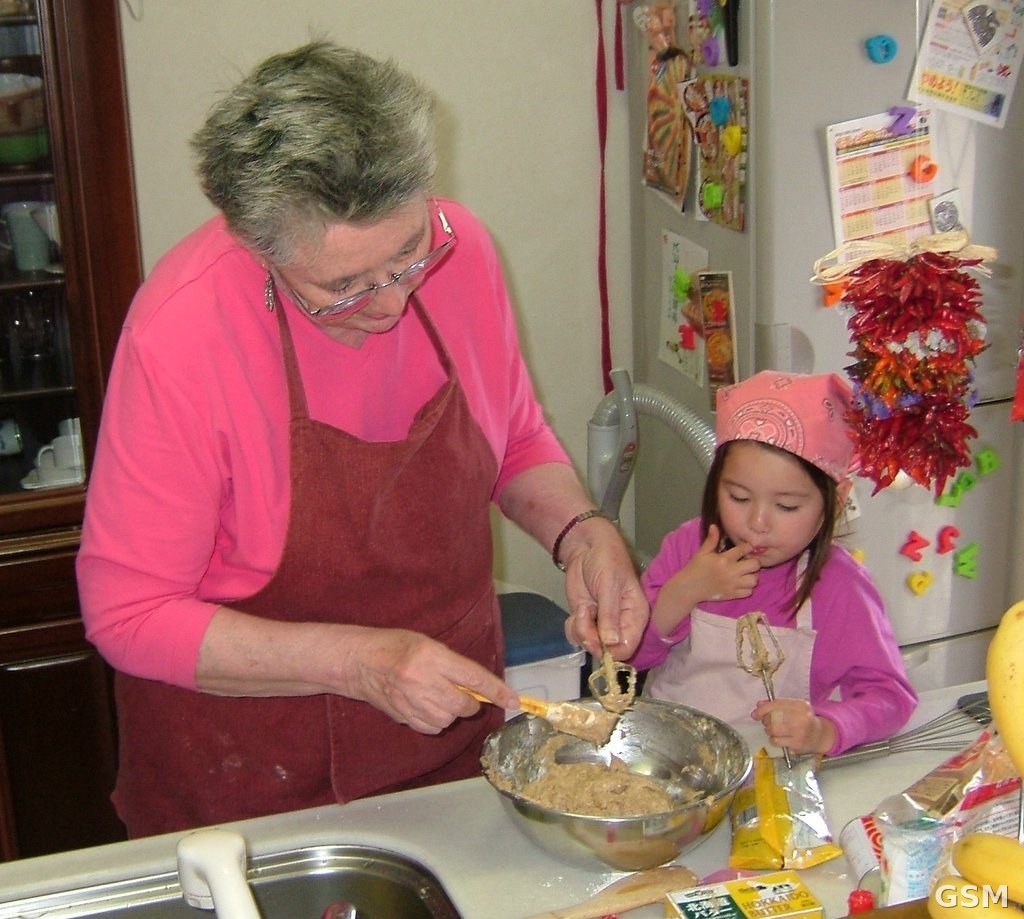
图片来源:图:长者在家中厨房活动,居家环境安全是防跌倒的第一课。Wikimedia Commons 图片(CC BY-SA 2.0)。 / Photo: An older adult at home in the kitchen; a safer home is the first step in fall prevention. Image via Wikimedia Commons (CC BY-SA 2.0).
GSM Global · 本篇英文版 English edition of this story