《PLOS Biology》11月5日论文:近10万年灭绝的有蹄类动物中80%为迁徙物种,现生有蹄类仅46%迁徙,迁徙谱系新物种形成速率每百万年2.8次
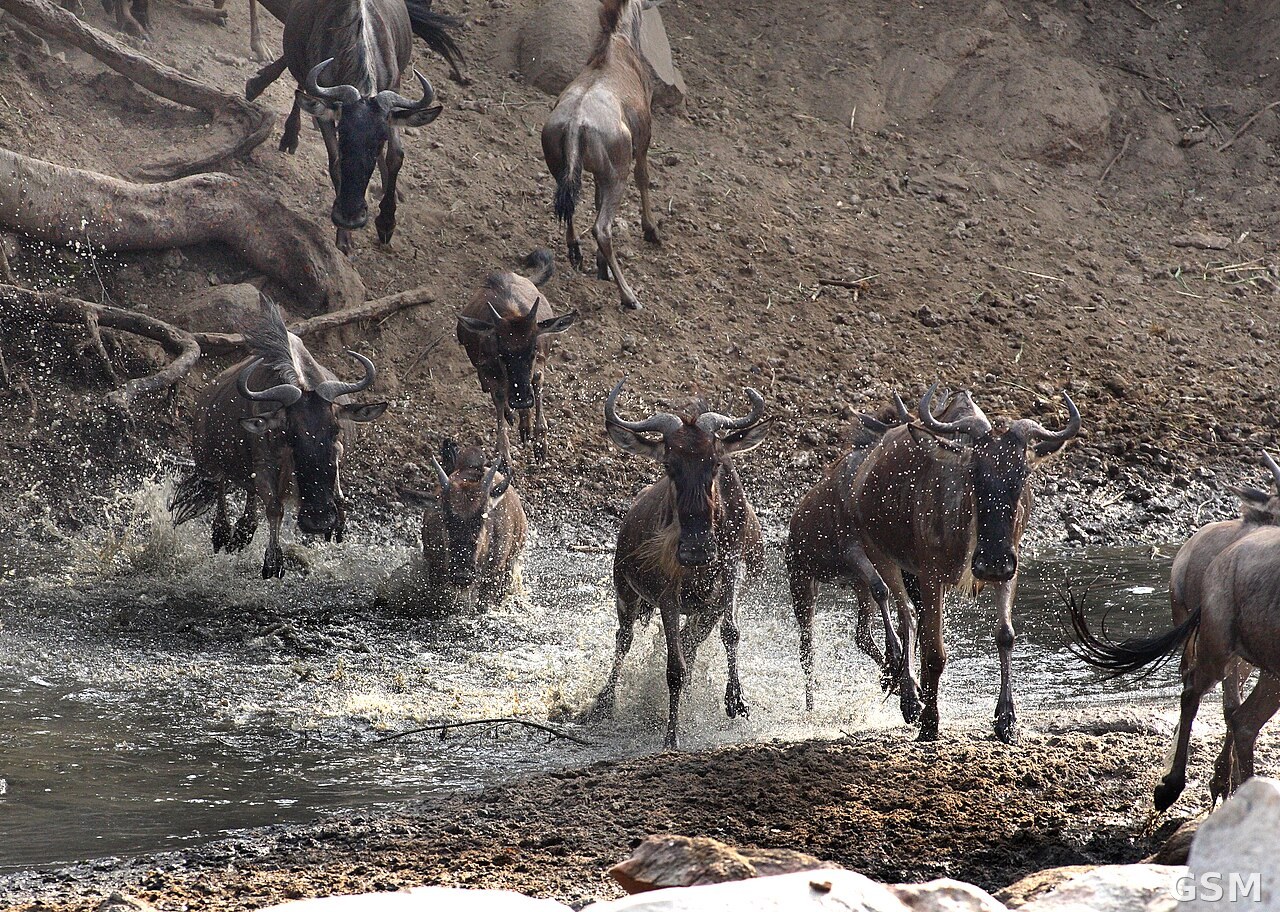
11 月 5 日发表于《PLOS Biology》的一项研究显示,在过去 10 万年里,迁徙的有蹄类哺乳动物经历了高于非迁徙物种的灭绝速率。研究由普林斯顿大学的 Joel Abraham 与同事完成。
有蹄类动物统称 ungulates,以种群庞大、长距离迁徙著称。为判断迁徙物种的灭绝风险,研究者利用化石证据与现生物种数据,推断了 51 种在过去 10 万年内灭绝的有蹄类动物的迁徙行为。结果显示,这批灭绝物种中有 80% 为迁徙物种;相比之下,现生有蹄类动物中仅有 46% 迁徙。研究者据此认为,迁徙性有蹄类在近地质时期面临更高的灭绝风险。
统计建模同时显示,新的迁徙物种也更频繁地演化出来:研究者估算,迁徙有蹄类谱系中新物种的形成速率为每百万年 2.8 次,非迁徙谱系为每百万年 1.7 次。研究者还评估了迁徙物种灭绝所带走的性状组合:在非洲,迁徙有蹄类灭绝造成 2.7% 的功能多样性下降,但在全球尺度上这一影响很小。
作者表示,迁徙的成败取决于动物能否准确预判食物与水源等资源出现的时间与地点,这使它们对过去与现在的环境变化尤为敏感。如今,城市化、狩猎与气候变化给迁徙物种带来持续压力,道路与栅栏等人类活动还会物理阻断迁徙路线,作者据此表示保护工作应优先考虑迁徙物种。
作者在论文说明中补充,团队通过两条证据线得出迁徙提高灭绝速率的结论:一是灭绝物种中迁徙者占比远高于现生物种,二是宏观演化参数估算显示迁徙与更高的灭绝速率相关;他们同时对迁徙与更高的物种形成速率相关感到意外,并指出类似格局此前已在鸟类中被发现。
PLOS Biology Paper of November 5: 80% of Ungulates That Went Extinct in the Past 100,000 Years Were Migratory, Versus 46% of Living Ungulates, While Migratory Lineages Produced New Species 2.8 Times per Million Years
Over the past 100,000 years, hooved mammals that migrate have experienced a higher rate of extinction than nonmigratory species, according to a study published on November 5 in the journal PLOS Biology by Joel Abraham of Princeton University and colleagues.
Hooved mammals, known as ungulates, are known for large populations and long-distance migrations. To investigate the vulnerability of migratory ungulates, the researchers used fossil evidence and data from modern-day species to infer the migratory behaviour of 51 ungulates that went extinct in the last 100,000 years. They found that 80% of the ungulates that went extinct during this period were migratory, whereas only 46% of modern ungulates migrate — suggesting migratory ungulates have been at greater risk of extinction during recent geological epochs.
Statistical modeling also indicated that new migratory species evolved more frequently: the researchers estimated that migratory ungulate lineages produced a new species 2.8 times per million years, compared with 1.7 times per million years for nonmigratory lineages. Assessing trait combinations lost to extinction, the team found that in Africa, extinctions of migratory ungulates caused a 2.7% decline in functional diversity, while at a global level the effect was minimal.
The authors said the success of migration depends on animals' ability to accurately predict the timing and location of resources such as food and water, making migratory species vulnerable to past and present environmental change. With mounting pressures from urbanization, hunting and climate change — and human activity physically blocking routes with roads and fences — conservationists should prioritize migratory species, the authors said.
In their comments on the study, the authors said two lines of evidence link migration to elevated extinction rates: the inferred behaviour of extinct ungulates, which were much more likely to be migratory than present-day ungulates, and macroevolutionary parameter estimates associating migration with higher extinction rates. They added that they were intrigued to find migration also associated with elevated speciation rates in ungulates, a pattern previously shown in birds.
来源:普林斯顿大学
发布:GSM·美国(发布链接)
图片来源:塞伦盖蒂角马大迁徙(Wikimedia Commons)
GSM Global · 本篇英文版 English edition of this story