《Ecology》论文:智利八齿鼠种群熬过近十年特大干旱,却在2019年极端干旱后于当地消失,12年记录显示2020年起再未检出、2021年复查仍无个体
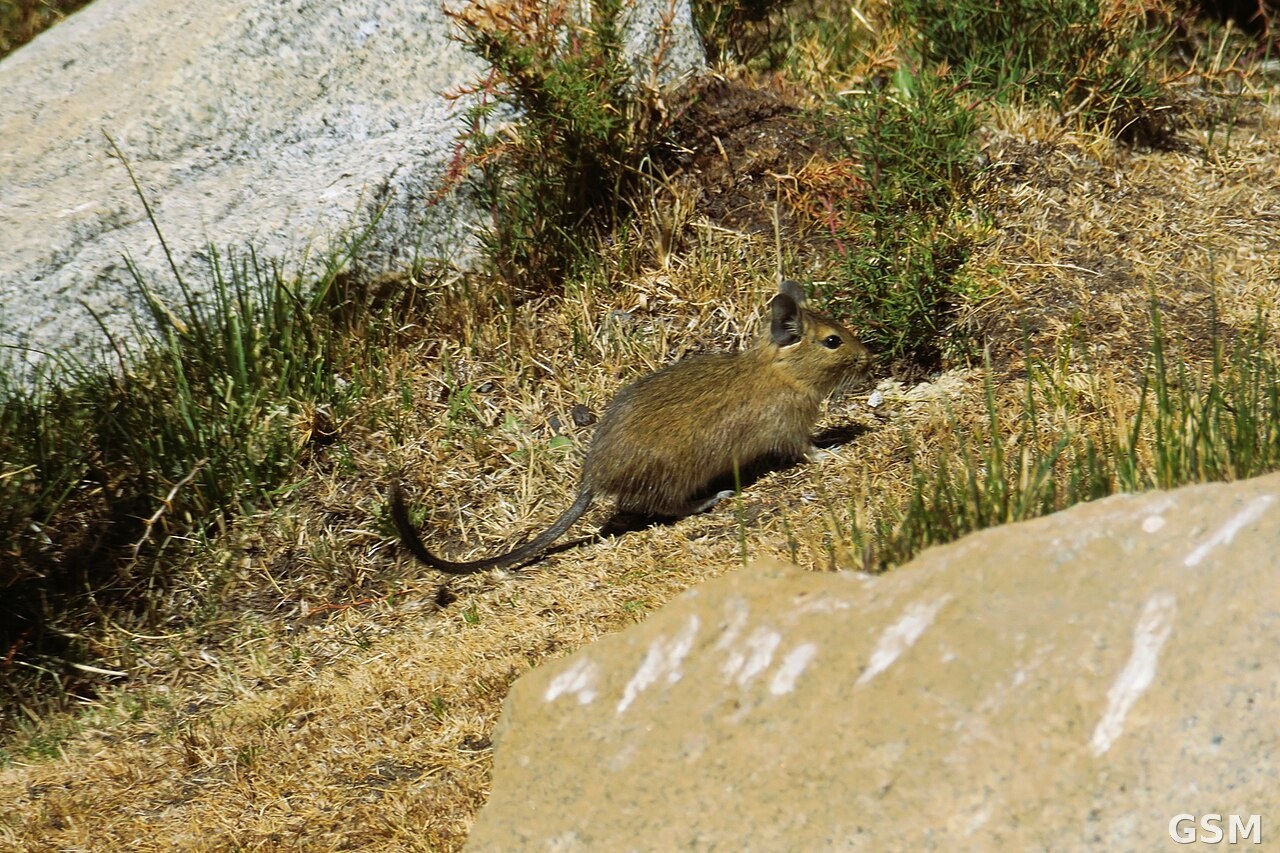
发表于期刊《Ecology》的一项研究分析了智利中部一个八齿鼠(degu,学名 Octodon degus)种群 12 年的记录:这个种群熬过了近十年的特大干旱,却在 2019 年的极端干旱之后于当地消失。研究者包括智利生态与生物多样性研究所(IEB)博士后研究员 Annemarie van der Marel。
研究地点位于智利首都大区 Rinconada de Maipú。研究显示,在特大干旱的大部分时期,尽管降雨减少、植被生产力下降,该八齿鼠种群仍维持正增长。但 2019 年降雨异常稀少,植被生产跌至临界水平,食物短缺同时压低了动物的存活率与新个体的补充率。2020 年,研究者在持续布陷捕捉下再未记录到八齿鼠;2021 年的追加调查同样没有检出任何个体。
这项题为「极端干旱的影响导致一种社会性啮齿动物的局部灭绝」的研究,分析了 2009 年至 2020 年间以标记重捕法收集的数据,数据依托 Germán Greve Silva 实验站 15 年的记录积累。研究发现,该种群并非在特大干旱中逐渐衰退,而是在不利环境下坚持多年,直到 2019 年极端干旱使资源骤减才崩溃。
van der Marel 表示,2019 年几乎全年无雨;往常即便在干旱期也有冬季降雨让植物生长、为八齿鼠提供食物,而那一年植物没有长起来,几乎没有食物。研究显示,植被总初级生产力是解释该物种存活率与补充率变化的最佳环境因子。八齿鼠主要在南半球冬季繁殖,雌性孕期近三个月,幼崽多在 8 月下旬至 9 月初出生,与植被最丰盛的时段重合;该物种寿命较短,多数成体活不过第二年,因此新个体的持续补充对种群存续至关重要。
研究者同时指出,局部消失不等于物种灭绝:普通八齿鼠在国际自然保护联盟(IUCN)名录中属无危物种,但其在智利许多种群的状况仍属未知。研究者在原研究点不到 10 公里外发现了另一个存活种群;两地差异之一是新地点的树木与灌木更多,而消失种群所在地的灌木覆盖率约为 14%。研究者称,当地生态系统的具体特征可能在两种命运之间起了作用。
Ecology Paper: A Chilean Degu Population Withstood Nearly a Decade of Megadrought but Disappeared Locally After the Extreme Drought of 2019 — 12 Years of Records Show No Detections From 2020 and None in 2021 Follow-Up Surveys
Research published in the journal Ecology analyzed 12 years of records from a population of degus in central Chile and found that the endemic rodents withstood nearly a decade of megadrought but disappeared locally following the extreme drought of 2019. The study involved Annemarie van der Marel, a postdoctoral researcher at the Institute of Ecology and Biodiversity (IEB).
At the study site in Rinconada de Maipú, in Chile's Metropolitan Region, the common degu (Octodon degus) population maintained positive growth through much of the megadrought despite declining rainfall and vegetation productivity. In 2019, however, rainfall was exceptionally scarce and vegetation production fell to critical levels; the lack of food affected both survival and the recruitment of new individuals. In 2020, researchers stopped recording degus at the site despite continued trapping efforts, and no individuals were detected in additional surveys in 2021.
The study, titled "The Effects of an Extreme Drought Led to the Local Extinction of a Social Rodent," analyzed capture-mark-recapture data collected between 2009 and 2020, drawing on 15 years of records at the Germán Greve Silva Experimental Station. It found the population did not decline gradually through the megadrought; it persisted for years under adverse conditions until the extreme drought of 2019 caused a critical reduction in available resources.
"What happened in 2019 was that there was virtually no rain throughout the entire year. Normally, even during the drought, there was some winter rainfall that allowed plants to grow and provided food for the degus. But that year, the plants didn't grow, and there was practically no food," van der Marel said. The study found gross primary productivity — an indicator of plant matter produced through photosynthesis — was the environmental factor that best explained variations in the species' survival and recruitment rates. Degus reproduce mainly during the austral winter, females have a gestation period of almost three months, and young are born between late August and early September, coinciding with peak vegetation; most adults do not survive into their second year, so constant recruitment is essential.
The researchers stressed that the local disappearance does not mean the species is extinct in Chile: the common degu is classified as least concern by the International Union for Conservation of Nature (IUCN), though the status of many of its Chilean populations remains unknown. After the disappearance, researchers identified another population less than 10 kilometers (6.2 miles) from the original site. One observed difference was the presence of trees and shrubs at the new site, whereas the location where the population disappeared had limited shrub cover, at approximately 14% — suggesting local ecosystem characteristics may have played a role, van der Marel said.
来源:智利生态与生物多样性研究所
发布:GSM·美国(发布链接)
图片来源:智利八齿鼠(Wikimedia Commons)
GSM Global · 本篇英文版 English edition of this story