《林奈学会动物学杂志》论文:127个头骨三维扫描揭示袋狸与兔耳袋狸吻部为何大不同,25个现生与灭绝物种头骨差异约35%与气候、分布地和体型相关
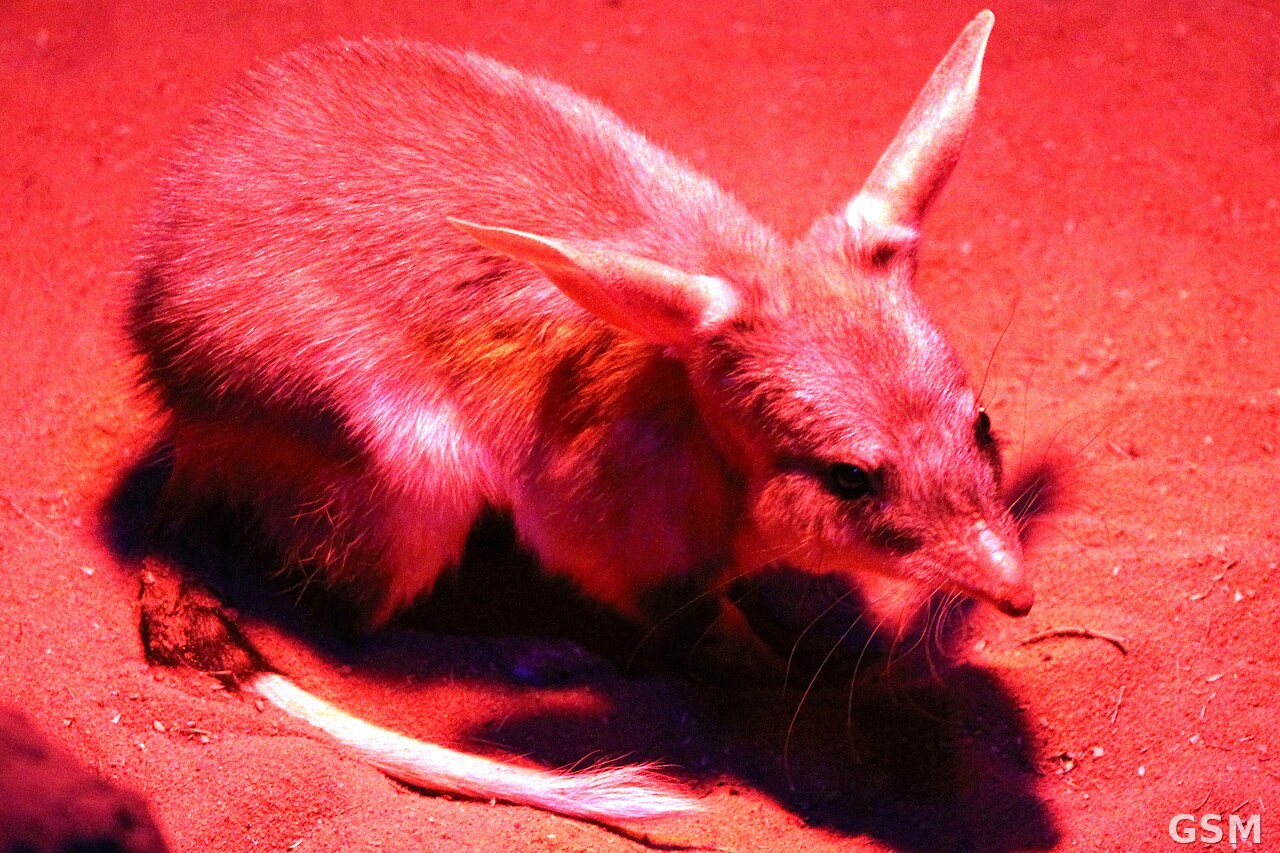
默多克大学(Murdoch University)哈里·巴特勒研究所(Harry Butler Institute)领衔的一项新研究,对袋狸(bandicoots)与兔耳袋狸(bilbies)25 个现生与灭绝物种的 127 个头骨做了三维扫描比对,试图解释这对近亲为何演化出长短悬殊的吻部:西南澳常见的昆达袋狸(quenda)吻部短而粗壮,而兔耳袋狸的吻部却格外细长。研究已发表于《林奈学会动物学杂志》。
研究发现,这一组动物的头骨形状差异显著,其中约 35% 的差异可与气候、分布地和体型联系起来。短吻袋狸(包括昆达袋狸)头骨相对短而结实;长袋狸属(Perameles)袋狸与兔耳袋狸的头骨则长得多、也窄得多。研究者指出,差异并不只是因为某些物种体型更大。
副教授 Natalie Warburton 表示,人们通常以为袋狸是一群外形相近、擅长挖掘的有袋动物,但三维比对显示它们的头骨差异惊人,尤其体现在吻部的长度与形状上。她表示,头骨形状能提供动物如何适应环境与觅食方式的线索:对花大量时间搜寻与挖掘食物的动物来说,吻部是它们与环境互动的重要工具,长而窄的吻部可能更便于探入土壤与落叶层找食物,短而强壮的吻部则可能更适合挖掘。
研究还纳入了灭绝物种,结果显示袋狸与兔耳袋狸过去的解剖多样性比现生种群更高:已灭绝的猪足袋狸(Chaeropus)尤为特殊,其头骨比例与任何现生袋狸或兔耳袋狸都不同。
Warburton 表示,头骨的形状受祖先、取食、感官系统与头部力学需求共同影响,跨物种比较头骨是理解动物如何在演化时间尺度上适应环境的另一条途径。这项研究由 Meg L. Martin 等完成,论文题为「头骨形状揭示袋狸与兔耳袋狸的大陆尺度适应辐射」,数字对象标识符为 10.1093/zoolinnean/zlag172,研究对象分布于澳大利亚与新几内亚。
Zoological Journal of the Linnean Society Paper: 3D Scans of 127 Skulls Reveal Why Bandicoots and Bilbies Evolved Such Different Snouts — About 35% of Skull-Shape Differences Across 25 Living and Extinct Species Linked to Climate, Location and Body Size
New research led by Murdoch University's Harry Butler Institute compared 3D scans of 127 skulls from 25 living and extinct species of bandicoots and bilbies, finding substantial variation in skull shape across the group. The study, published in the Zoological Journal of the Linnean Society, found that around 35% of the differences in skull shape could be linked to climate, location and body size — a possible explanation for why the quenda has a short, sturdy snout while its relative the bilby has a remarkably long one, after millions of years of adaptation to different environments across Australia and New Guinea.
Associate Professor Natalie Warburton said one of the most striking differences was the length and shape of the animals' snouts. "When people think of bandicoots, they often picture a fairly similar group of small, digging marsupials," Warburton said. "But when we compared their skulls in three dimensions, we found remarkable differences, particularly in the length and shape of their snouts." Short-nosed bandicoots, including the quenda commonly found across southwestern Australia, have relatively short and robust skulls, while Perameles bandicoots and bilbies have much longer, narrower skulls. Importantly, the differences were not simply because some species were bigger than others.
Warburton said skull shape could provide clues about how different species adapted to their environments and ways of finding food. "For animals that spend a lot of their time searching and digging for food, the snout is an important part of how they interact with their environment," she said. "A long, narrow snout may help an animal probe through soil and fallen leaves for food, while a shorter, stronger snout may be better suited to digging."
The study also included extinct species, showing that bandicoots and bilbies were once even more anatomically diverse than they are today. The extinct pig-footed bandicoots, Chaeropus, were particularly unusual, with skull proportions unlike those seen in any bandicoot or bilby alive today.
"A skull can tell us a surprising amount about an animal," Warburton said. "Its shape is influenced by ancestry, feeding, sensory systems, and the mechanical demands placed on the head, so comparing skulls across species gives us another way of understanding how animals have adapted over evolutionary time." The paper, by Meg L. Martin and colleagues, is titled "Continental-scale adaptive radiation in bandicoots and bilbies (Marsupialia: Peramelemorphia) revealed by cranial shape," DOI 10.1093/zoolinnean/zlag172.
来源:默多克大学
发布:GSM·美国(发布链接)
图片来源:兔耳袋狸(Wikimedia Commons)
GSM Global · 本篇英文版 English edition of this story