法国总理两度致信银行界要求为总统候选人设联合贷款机制:六大银行集体拒绝、坚持要国家出面
巴黎——法国总理塞巴斯蒂安·勒科尔尼与银行界围绕2027年总统选举竞选资金的拉锯仍无结果。据法国《世界报》11月5日报道,勒科尔尼10月6日致信各大银行,要求银行界建立一个为总统候选人竞选活动提供贷款的联合机制;各银行分别回信,拒绝了这一提议。
勒科尔尼并未就此罢手:10月30日他再次致信银行界,敦促重启讨论、找到一个能让每位候选人都有「必要手段向法国人民陈述政纲」的方案。他在信中强调,2027年总统选举这一共和国重大时刻,不应让任何外国势力通过资金手段施加影响或形成依赖。
这场争执的源头是国民联盟候选人玛丽娜·勒庞长期的贷款困境。勒庞2014年曾向一家俄罗斯银行借款为多次竞选筹资;2017年《政治生活信任法》生效后,从欧洲经济区以外借款已被禁止。2022年总统选举时,勒庞转而向一家匈牙利银行贷款;2027年她完全可能重演这一幕,而这正是法国政府决心不惜代价避免的局面——据估计,国民联盟候选人几乎肯定能在第一轮拿到5%以上选票、取得国家报销竞选费用的资格。
银行界的立场是:真正的风险与其说是财务风险,不如说是声誉风险。今夏有报道称总理府在讨论由法国巴黎银行、兴业银行、BPCE、Crédit Mutuel、农业信贷银行与法国邮政银行六大银行组成银团、为勒庞提供贷款,成千上万名客户为此写信给各自的银行表达不满。各银行如今已统一口径,主张改走国家直接或间接持有的银行(法国邮政银行、Bpifrance 或存款与信托金库)出面解决的方案;法国银行联合会新任负责人加瓦尔达今年7月也公开表示,银行为竞选贷款需要国家担保。
但政府拒绝提供国家担保:此举在法律上脆弱,且会造成候选人之间的不平等——已有候选人自行从银行拿到了贷款。勒科尔尼转而呼吁建立一个不依赖公共担保的「替代性安全机制」。银行界则自7月20日在总理府开会以来态度日趋强硬。竞选资金难题也不限于国民联盟一家:多名候选人都面临银行信贷渠道收紧的问题,距离2027年大选不到一年半,这场总理府与银行界的僵局仍未解开。
(来源:世界报)
French Prime Minister's Push for a Bank Consortium to Fund Presidential Candidates Fails: Major Banks Say No and Want a State Solution
Paris — French Prime Minister Sébastien Lecornu remains locked in a fruitless dialogue with the country's banks over campaign financing for the 2027 presidential election. According to Le Monde on November 5, Lecornu wrote to banking institutions on October 6 urging them to set up a joint funding mechanism for presidential candidates' campaigns; the banks responded with separate letters, each rejecting the proposal.
Lecornu did not stop there. On October 30 he sent the banks another letter urging them to resume discussions and find a solution that would give every candidate the necessary means to present their platform to the French people, emphasizing that no foreign power should be able to exert influence, or create dependence, through financial means in the major republican event of a presidential election.
At the root of the dispute is the long-running difficulty of National Rally candidate Marine Le Pen in securing loans. Le Pen borrowed from a Russian bank in 2014 to fund several campaigns; since the 2017 Law on Confidence in Political Life, loans from outside the European Economic Area are prohibited. For the 2022 presidential election she turned to a Hungarian bank, and she could repeat that scenario in 2027 — something the government is determined to avoid at all costs. The National Rally candidate is virtually certain to win at least 5 percent of the first-round vote and thus qualify for state reimbursement of campaign expenses.
For the banks, the real risk is less financial than reputational. Over the summer, thousands of customers wrote to their banks after reports that the prime minister's office was discussing a consortium of the six major French banks — BNP Paribas, Société Générale, BPCE, Crédit Mutuel, Crédit Agricole and La Banque Postale — to lend to Le Pen. The banks have since closed ranks and now favor a solution involving a bank directly or indirectly owned by the state, such as La Banque Postale, Bpifrance or the Caisse des Dépôts; Olivier Gavalda, the incoming head of the French Banking Federation, said publicly in July that banks need state guarantees for campaign loans.
The government, however, has refused to provide a state guarantee, which would be legally fragile and would create inequality between candidates, some of whom have already taken out bank loans. Lecornu has instead called for an alternative and secure mechanism without a public guarantee. The issue reaches well beyond the National Rally: several candidates are struggling to access credit, and with less than a year and a half before the 2027 election, the standoff between the prime minister's office and the banking sector remains unresolved.
(Source: Le Monde)
来源:世界报
发布:GSM·美国(发布链接)
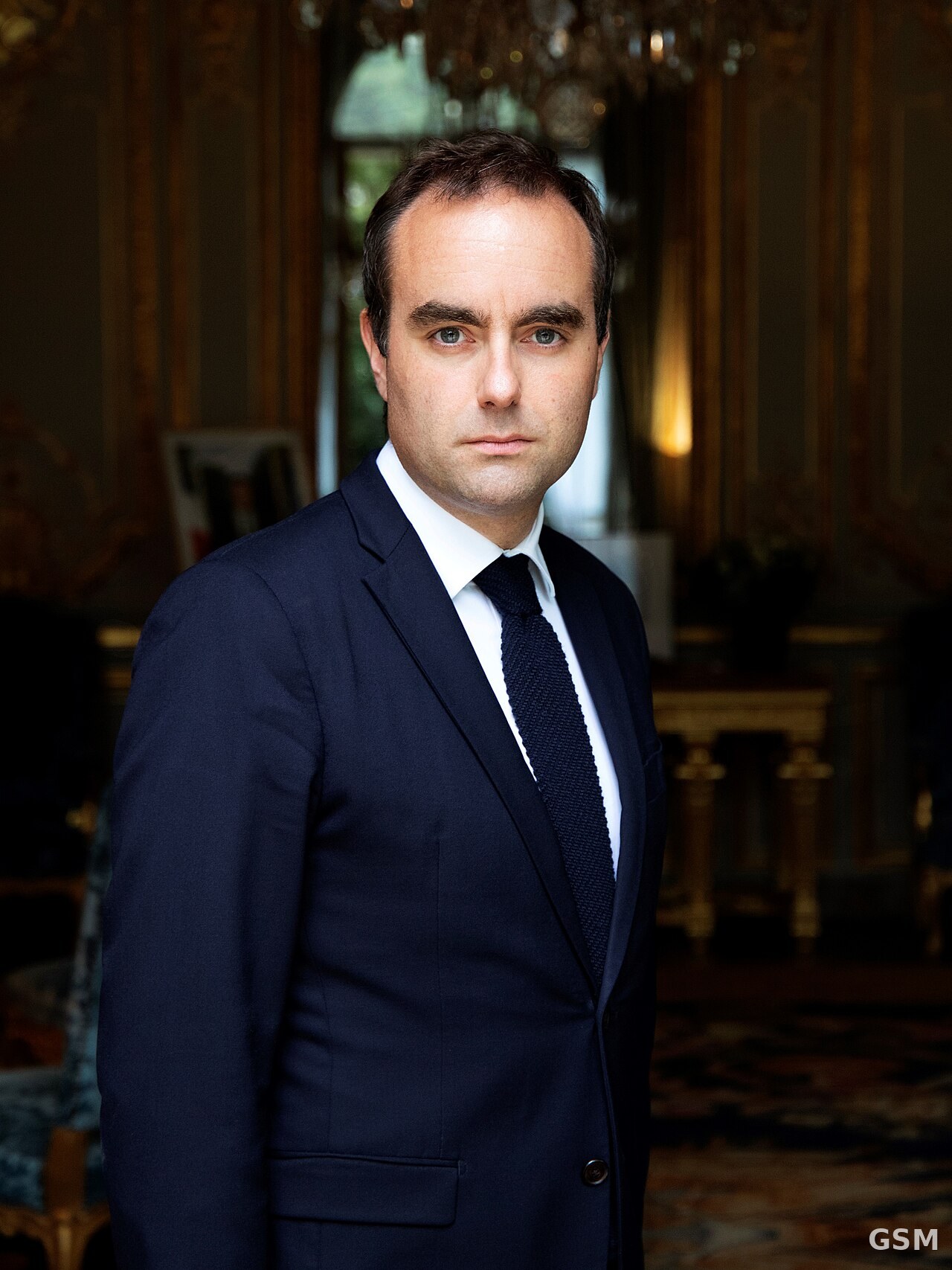
图片来源:图:法国总理塞巴斯蒂安·勒科尔尼官方肖像。CC BY-SA 4.0,经 Wikimedia Commons。 / Photo: Official portrait of French Prime Minister Sébastien Lecornu. CC BY-SA 4.0, via Wikimedia Commons.
GSM Global · 本篇英文版 English edition of this story