泰国:内阁批准整车进口电动车消费税升至35% 明年1月1日起实施以扶持本地生产
泰国财政部长 Ekniti Nitithanprapas 表示,泰国内阁11月3日批准把整车进口电动汽车的消费税上调至35%:纯电动汽车(BEV)现行税率为10%,增程式电动汽车(REEV)为15%,两类自2027年1月1日起统一按35%征收。此次调整属新的分级税制安排,旨在鼓励投资与本地生产。内阁会议在乌隆他尼以流动会议形式举行,决定由 Ekniti 在会后宣布,消息并由泰国政府公共关系部发布。
新税率针对整车进口、未在泰国生产且不使用泰国本地零部件的车型;在泰国建厂组装、参与政府扶持方案的车型不是此次加税的目标。调整落实了泰国国家电动汽车政策委员会2025年11月25日与2026年9月10日两次会议的决定。内阁同时要求消费税部门与计划在泰新增生产的车企与投资者商谈特别税率安排,部分品牌的最终待遇仍可能调整。
泰国是地区重要的汽车生产与出口枢纽,比亚迪、丰田等车企均在泰设厂。泰国政府称,此举意在拉平不在扶持方案内的进口车型与本地生产车型的竞争条件,保护已承诺在泰投资建厂、布局供应链的企业,并推动整车进口依赖型车企加快本地生产谈判。
(来源:泰国财政部)
Thailand: Cabinet Approves Raising Excise Tax on Fully Imported Electric Vehicles to 35 Percent From January 1 to Support Local Production
Thailand's cabinet on November 3 approved an increase in the excise tax on fully imported electric vehicles to 35 percent, Finance Minister Ekniti Nitithanprapas said: battery electric vehicles (BEVs) are currently taxed at 10 percent and range-extended electric vehicles (REEVs) at 15 percent, and both will move to 35 percent from January 1, 2027. The change is part of a new tiered tax structure aimed at encouraging investment and local production. The decision was announced by Ekniti after a mobile cabinet meeting in Udon Thani and published by the Government Public Relations Department.
The higher rate targets EVs imported as finished vehicles that are not produced in Thailand and use no locally made parts; vehicles built or assembled in Thailand under the government's support schemes are not the target. The adjustment implements decisions of the National Electric Vehicle Policy Committee taken on November 25, 2025 and September 10, 2026. The cabinet also instructed the Excise Department to discuss special tax rates with carmakers and investors planning new production in Thailand, so the final treatment of some brands may still change.
Thailand is a major regional production and export hub for car manufacturers such as BYD and Toyota. The government says the move is intended to equalise market conditions between imported models outside state incentive schemes and locally produced vehicles, to protect investors already committed to plants and supply chains in Thailand, and to push automakers reliant on fully built imports to speed up talks on local production.
来源:泰国财政部
发布:GSM·美国(发布链接)
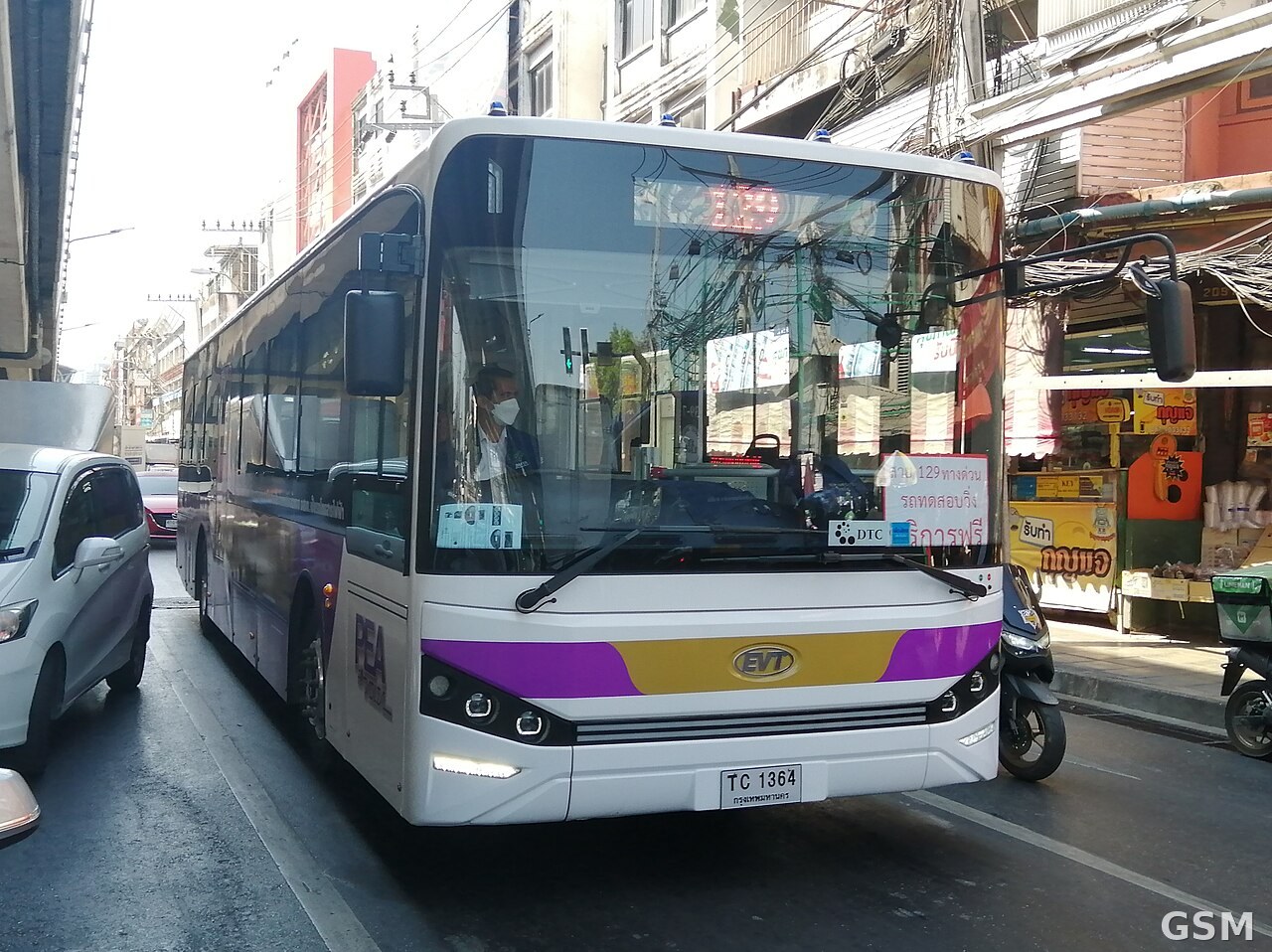
图片来源:照片:曼谷街头的电动巴士(资料图),Patiparn.Nice2002bkk 摄,Wikimedia Commons,CC BY-SA 4.0 授权 / Photo: An electric bus in Bangkok, Thailand (file photo), by Patiparn.Nice2002bkk, Wikimedia Commons, CC BY-SA 4.0
GSM Global · 本篇英文版 English edition of this story