安萨里呼吁新国会首日暂停先进超级智能(SI)开发:禁止超级智能法案拟罚个人最高20年监禁、企业强制解散
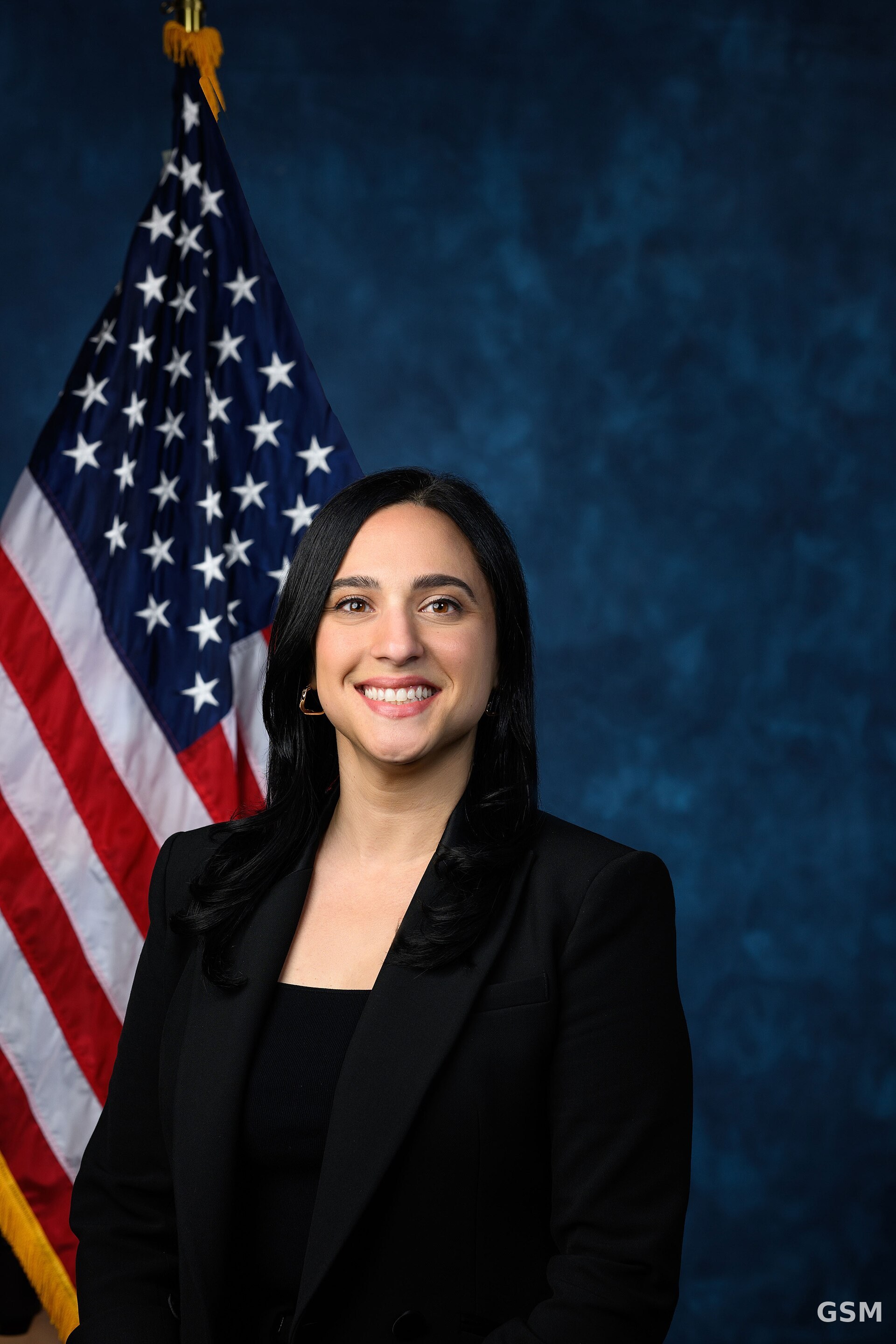
华盛顿——美国亚利桑那州民主党众议员 Yassamin Ansari 11月4日在社交平台 X 发文,呼吁把超级智能(SI)监管列为民主党新国会的第一天议程首项:暂停先进超级智能(SI)开发、监管这个她称之为「失控的行业」,并禁止人工超级智能。她是《禁止人工超级智能法案》的众议院共同提案人之一,该呼吁出现在民主党11月3日中期选举同时拿下参众两院多数之后。
这部法案今年9月已在两院分别提出:参议院版本 S.5493 由佛蒙特州独立参议员 Bernie Sanders 于9月23日提出,众议院版本 H.R.10538 由得克萨斯州民主党众议员 Greg Casar 于9月24日提出,目前两案都停留在提出阶段、尚未进入委员会审议。法案把人工超级智能界定为两类系统:在广泛领域与任务上达到或超过人类认知表现的系统,以及有能力策划、实施颠覆人类主导地位乃至推翻、摧毁美国政府体制的系统。
法案的核心机制是先暂停、后禁止:在一个新设的联邦级监管机构正式运作、建立安全标准与模型审查机制之前,全面暂停先进超级智能(SI)开发;对超级智能本身则永久禁止开发与部署。罚则在科技立法中罕见地严厉:违规个人最高可判20年联邦监禁,违规企业可被法院强制解散,提案人称之为「企业死刑」。法案还把推动全球禁止超级智能列为美国外交政策目标,要求行政部门争取国际协议、强化盟友合作并以出口管制封堵开发路径。
这一主张目前属于民主党进步派的优先事项,并非全党共识。众议院共同提案人包括 Alexandria Ocasio-Cortez、Ro Khanna 等进步派议员。法案即便在民主党占多数的新国会推进,也要面对参议院冗长辩论门槛,以及总统特朗普可能的否决。
Ansari Urges Day-One Pause on Advanced Superintelligence (SI) Development: Proposed Ban Carries Up to 20 Years in Prison and Forced Dissolution of Companies
Washington — U.S. Representative Yassamin Ansari, an Arizona Democrat, posted on the social platform X on November 4 calling for superintelligence (SI) regulation to top the Democratic agenda on day one of the new Congress: a pause on advanced SI development, regulation of what she called an out-of-control industry, and a ban on artificial superintelligence. Ansari is a House cosponsor of the Ban Artificial Superintelligence Act, and her call came a day after Democrats won majorities in both chambers in the November 3 midterms.
The bill was introduced in both chambers in September: the Senate version, S.5493, was introduced by Vermont independent Senator Bernie Sanders on September 23, and the House version, H.R.10538, by Texas Democratic Representative Greg Casar on September 24. Both remain at the introduced stage and have not yet entered committee review. The bill defines artificial superintelligence in two ways: systems that meet or exceed human cognitive performance across a broad range of domains and tasks, and systems capable of planning and carrying out the undermining of human primacy or even the overthrow or destruction of the U.S. system of government.
Its core mechanism is a pause followed by a ban: all advanced SI development would be frozen until a new federal regulatory agency is formally operating with safety standards and a model-review process in place, while superintelligence itself would be permanently prohibited from development or deployment. The penalties are unusually severe for technology legislation: violating individuals face up to 20 years in federal prison, and violating companies can be judicially dissolved, in what sponsors call a corporate death penalty. The bill also makes a global ban on superintelligence a U.S. foreign-policy objective, directing the executive branch to pursue international agreements, deepen allied cooperation and use export controls to block development pathways.
The push is currently a priority of the Democratic progressive wing rather than a party-wide consensus. House cosponsors include progressives such as Alexandria Ocasio-Cortez and Ro Khanna. Even in a Democratic-controlled Congress, the bill would face the Senate filibuster threshold and a possible veto by President Trump.
来源:美国国会
发布:GSM·美国(发布链接)
图片来源:图:美国众议员 Yassamin Ansari 官方肖像(第119届国会)。照片为公共领域作品,经 Wikimedia Commons。 / Photo: Official portrait of U.S. Rep. Yassamin Ansari, 119th Congress. Public domain, via Wikimedia Commons.
GSM Global · 本篇英文版 English edition of this story