Meta 与上海傅里叶合作造出人形机器人原型 Max:三个月建成,二代已开工
旧金山,11 月 3 日——据科技媒体 The Information 10 月 31 日报道,Meta 已与总部位于上海的机器人企业傅里叶合作,在约三个月内造出一台人形机器人原型,内部代号「Max」,研发方向是走进家庭、协助处理家务与日常事务。Meta 发言人就此回应称,这项合作属于内部研究与试验,公司没有销售这批原型机的计划;第二代机型已于 9 月启动研发。
据报道,Max 高约 1.5 米、重约 48 公斤,搭载英伟达 Jetson Thor 机器人计算平台;它有一张能显示表情的屏幕面孔、装在胸前的扬声器和一双五指机械手,能拿起小瓶子、玩具等小物件。Meta 为它列出的设计指标包括在 5 米外识别人声、在 3 米外读懂挥手等手势、与人保持眼神接触,并能以面部信号示意自己正在聆听、思考、说话或拿不准。报道同时指出,这些仍是设计目标,尚无家庭环境下的实测结果公布。
为推进这台原型,Meta 机器人产品副总裁 Li-Chen Miller 在傅里叶的上海工厂驻点近两个月。Max 以傅里叶三代人形机器人的硬件与经验为基础,重新设计了身形比例、头部、屏幕与摄像头,今年 8 月底在 Meta 内部的一次机器人峰会上向部分员工展示。9 月启动的第二代「Max 2」将重新设计躯干、改良双手的操作能力,并加装投影仪和更多传感器,帮助机器人上下楼梯。
被问及为何与一家中国企业合作时,Meta 发言人对 The Information 表示,在采购美国国内不易获取的零部件这件事上,Meta 和行业其他公司面临同样的现实;发言人同时强调,与傅里叶的这项合作仅限内部研究与试验,没有对外销售这些设备的计划。知情人士称,Meta 尚未为任何人形机器人产品设定上市时间。傅里叶创始人、首席执行官顾捷 11 月 2 日对第一财经表示,对此「暂不方便回复」。
据报道,Meta 首席技术官 Andrew Bosworth 在公司内部把人形机器人描述为公司个人智能体产品「Muse」的实体化形态,长期目标是让机器人协助处理家务。Meta 的机器人团队隶属 Reality Labs,由前通用汽车 Cruise 首席执行官 Marc Whitten 领军;Miller 此前负责 Meta 的智能眼镜业务、主导过 Ray-Ban 系列产品,2025 年 9 月转入机器人团队。报道还提到,Meta 正在上海和深圳招募机器人相关人才,岗位从原型开发延伸到量产准备。
人形机器人的竞赛正从「身体」转向「大脑」。路透社 11 月 2 日的行业报道指出,中国机器人厂商在动作能力上已趋成熟,竞争焦点正转向让机器理解陌生环境、完成新任务的智能系统。据财闻报道,11 月 3 日上午,在浙江省乌镇举行的 2026 年世界互联网大会乌镇峰会上,宇树科技创始人王兴兴在开幕式前接受采访时表示,宇树未来将重点攻克机器人大脑技术,除自身的技术突破外,还将在全球范围寻求合作,并称看好物理 AI 技术、致力于取得突破。
(来源:The Information)
Meta Built Humanoid Prototype 'Max' With Shanghai's Fourier in Three Months, Report Says
SAN FRANCISCO, November 3 — Meta has built a humanoid robot prototype together with Shanghai-based robotics company Fourier in about three months, according to an October 31 report by The Information. The machine, known internally as Max, is aimed at household chores and everyday tasks. A Meta spokesperson told the outlet that the effort with Fourier is focused on internal research and experimentation and that the company has no plans to sell these units; work on a second version began in September.
Max stands about 1.5 meters tall and weighs about 48 kilograms, and runs on Nvidia's Jetson Thor robotics computing platform, the report said. It has a screen face that can display expressions, chest-mounted speakers and five-fingered hands that can pick up small objects such as bottles and toys. Meta's design requirements reportedly included recognizing a voice from five meters away, interpreting a wave or gesture from three meters, maintaining eye contact, and signaling whether the robot is listening, thinking, speaking or uncertain. The report noted those are design targets, with no published test results from ordinary homes.
To build the prototype, Li-Chen Miller, Meta's vice president of product for robotics, spent almost two months working at Fourier's factory in Shanghai. Max draws on hardware and experience from three generations of Fourier humanoids, with redesigned proportions, head, display and cameras, and was shown to some employees at an internal robotics summit in late August. The second version, Max 2, begun in September, is expected to get a redesigned torso, improved hands, a projector and additional sensors to help it navigate stairs.
Asked about working with a Chinese partner, the Meta spokesperson told The Information that on sourcing components that are not readily available in the United States, Meta faces the same reality as others in the industry, while stressing that the Fourier work is limited to internal research and experimentation with no plans to sell the devices. A person familiar with the initiative said Meta has not set a launch date for any humanoid product. Fourier founder and CEO Gu Jie told Chinese financial outlet Yicai on November 2 that he was not in a position to comment.
According to the report, Meta Chief Technology Officer Andrew Bosworth has internally described humanoid robots as a physical embodiment of Muse, the company's personal AI agent product, with a long-term goal of robots helping with household tasks. Meta's robotics team sits inside Reality Labs and is led by Marc Whitten, formerly CEO of General Motors' Cruise unit; Miller previously ran Meta's smart glasses business, overseeing the Ray-Ban line, before moving to the robotics team in September 2025. The report also said Meta is hiring for robotics roles in Shanghai and Shenzhen, ranging from prototyping to preparing for manufacturing at scale.
The humanoid race is shifting from bodies to brains. A November 2 Reuters industry report said Chinese robot makers, having largely mastered movement, are now competing on the intelligent systems that let machines understand unfamiliar environments and take on new tasks. On November 3, at the 2026 World Internet Conference in Wuzhen, Zhejiang Province, Unitree founder Wang Xingxing told reporters before the opening ceremony that Unitree will focus on cracking 'robot brain' technology and will seek cooperation worldwide in addition to its own research, adding that he is bullish on physical AI, according to Chinese financial outlet Caiwen.
(Source: The Information)
来源:The Information
发布:GSM·美国(发布链接)
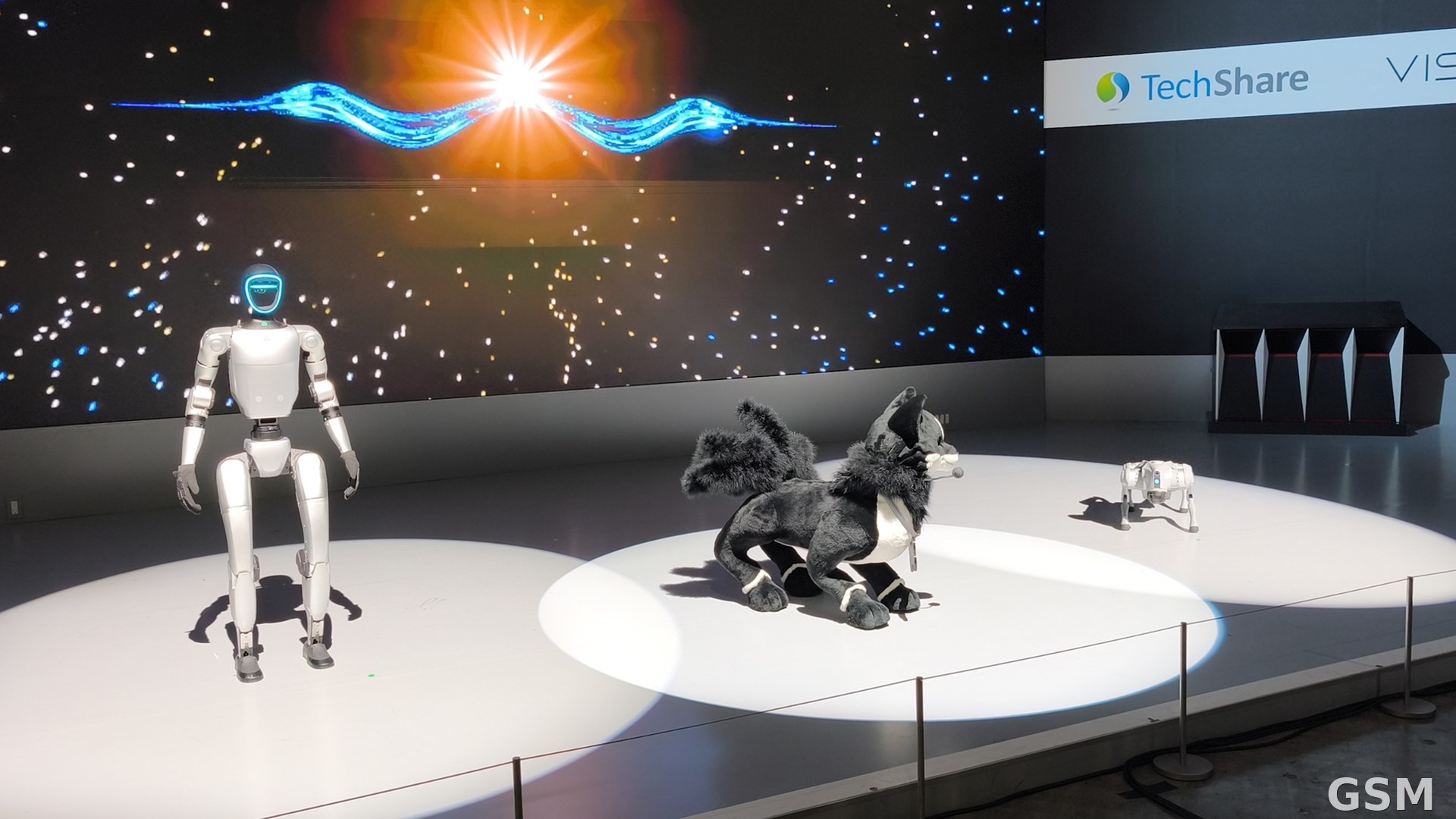
图片来源:图:宇树科技 G1 人形机器人(左)2025 年在东京 Japan Mobility Show 展台上亮相(资料图)。Meta 与傅里叶合作的 Max 原型尚未公开照片。RuinDig/Yuki Uchida 摄,CC BY 4.0,经 Wikimedia Commons 发布。
GSM Global · 本篇英文版 English edition of this story