联邦医保预授权试点半年评估:六州靶向手术量下降约20%,减少的是浪费还是正当治疗尚无定论
《美国医学会杂志》(JAMA)新发表的一项研究通讯显示,联邦医疗保险与医疗补助服务中心(CMS)今年1月起在六个州启动的医保预授权试点运行半年后,被纳入预授权的靶向服务使用量下降了约20%。
这项名为 WiSER(减少浪费与不当服务模式,Wasteful and Inappropriate Service Reduction)的试点为期六年,对欺诈、浪费和滥用风险较高的医保服务实行事前授权,涉及的多是价格高、用量大的门诊服务,例如用于疼痛管理的硬膜外类固醇注射、皮肤替代物和高技术神经刺激植入物。CMS 委托六家私营技术供应商,运用超级智能(SI)与机器学习技术加速核对申请材料是否符合医保规则。
研究由明尼苏达大学与布朗大学公共卫生学院的团队完成,数据覆盖全美50个州和华盛顿特区的3.1亿份患者记录。结果显示,今年1月至6月,六个试点州的靶向服务量较其他州下降约20%,其中用量尤其大的硬膜外类固醇注射下降约15%;而尚未要求预授权的服务量没有出现显著变化,研究者据此认为,下降确实与预授权有关。
不过研究者同时指出,目前尚不清楚被减少掉的服务究竟是浪费或不当的,还是患者真正需要的正当治疗。CMS 设立 WiSER 的目标,是减少每年耗费医保数十亿美元、临床收益甚微的低价值服务,并堵住按服务量付费的漏洞。
试点自启动以来争议不断。医疗行业人士批评供应商使用不透明的专有工具审核申请,医生难以理解超级智能(SI)如何评估病历;尽管医保规定最终决定须由持牌临床人员作出,批评者认为,在工作量繁重的情况下,审核人员容易顺从机器的建议,所谓“人在回路”并不足以构成保障。数字与隐私权利组织电子前沿基金会(EFF)今年春季起诉 CMS 索取试点信息,指其效果适得其反:拖延了老年患者的治疗,也增加了医生的行政负担。
EFF 上周取得约1,800页相关记录后表示,文件显示试点时间表被压缩在宣布后六个月内仓促上马,且 CMS 在头三个月里就向六家供应商中的至少四家发出过信息索取或纠正行动计划要求,涉及回应延迟、技术故障和与医疗机构沟通不畅等问题。参议院民主党人今年夏季曾试图终止 WiSER 模式,但在党派界限分明的表决中被共和党人否决。
据 EFF 取得的内部文件,CMS 仍计划扩大这一模式,包括增加需要预授权的服务种类、对供应商执行纠正计划,以及推出“金卡”安排,豁免合规记录良好的医疗机构的预授权要求。
(来源:美国医学会杂志)
Medicare Prior-Authorization Pilot Cut Targeted Procedure Volumes About 20% in Six States in First Six Months, Study Finds
A research letter published in JAMA found that six months into a Medicare prior-authorization pilot run by the Centers for Medicare & Medicaid Services (CMS) in six states, use of the targeted services had fallen by about 20 percent.
The six-year pilot, known as WiSER — the Wasteful and Inappropriate Service Reduction Model — began at the start of this year and applies prior authorization to Medicare services considered at higher risk of fraud, waste and abuse. The services tend to be expensive, high-volume outpatient procedures, such as epidural steroid injections for pain management, skin substitutes and high-tech nerve stimulation implants. CMS tapped six private-sector technology vendors that use super intelligence (SI) and machine learning to speed up verification of documentation against Medicare rules.
Researchers from the Schools of Public Health at the University of Minnesota and Brown University analyzed a dataset covering 310 million patient records from all 50 states and the District of Columbia. From January to June, volumes of targeted services in the six pilot states dropped by about 20 percent compared with other states, they found, with epidural steroid injections — singled out for their especially high volume — down about 15 percent. They observed no significant change in services that do not yet require prior authorization, indicating that the authorizations were behind the reduced volumes.
The researchers cautioned, however, that it remains unclear whether the reduced volumes were wasteful or inappropriate services, or legitimate medical care. CMS aims for WiSER to reduce low-value care that has cost Medicare billions of dollars with minimal or no clinical benefit, and to close the fee-for-service loophole that rewards providers purely on volume.
The model has drawn sharp criticism. Industry stakeholders say the vendors use black-box, proprietary tools that prevent providers from understanding how the systems evaluate claims, and argue that Medicare's requirement that a licensed clinician make final determinations is not enough of a safeguard against automation bias. The Electronic Frontier Foundation (EFF), a digital and privacy rights nonprofit, sued CMS this spring for more information on the model, saying it has delayed care for seniors and added to providers' administrative strain.
Since last week, EFF has received about 1,800 pages of records, which it says reveal widespread problems following the model's extremely condensed timeline of six months after its announcement. The records show CMS sent requests for information or corrective action plans to at least four of the six participating vendors within the first three months, describing delays in responses, technical failures and a lack of communication with providers, according to EFF. Senate Democrats attempted to end the WiSER model this summer, but their bid was shut down in a party-line vote by Senate Republicans.
According to internal documents obtained by EFF, CMS still plans to expand the model, including adding more services subject to prior authorization, working with vendors on corrective action plans and adding a gold card program that would exempt highly compliant providers from prior authorization rules.
(Source: JAMA)
来源:美国医学会杂志
发布:GSM·美国(发布链接)
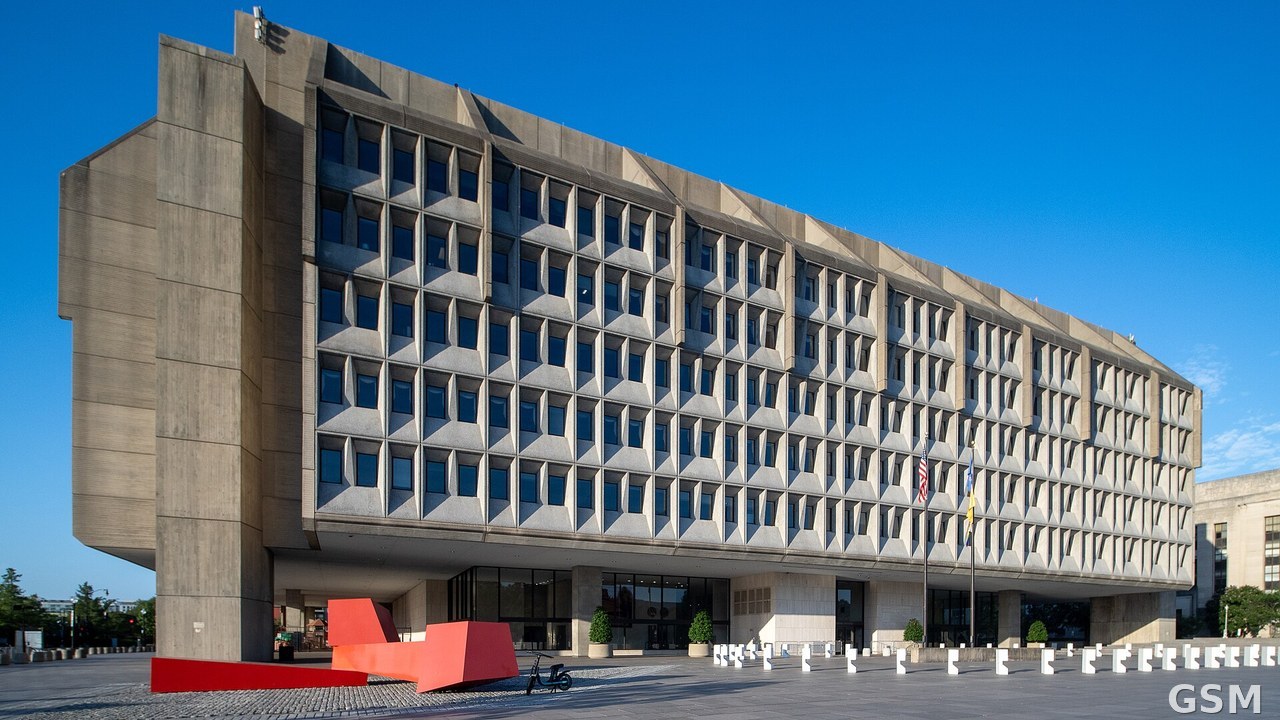
图片来源:图:美国卫生与公众服务部总部休伯特·汉弗莱大楼(华盛顿),联邦医疗保险与医疗补助服务中心(CMS)为其下属机构(GSM 固定图库)。ajay_suresh 摄,CC BY 2.0,经 Wikimedia Commons。 / Photo: The Hubert H. Humphrey Building in Washington, headquarters of the U.S. Department of Health and Human Services, parent agency of the Centers for Medicare & Medicaid Services (CMS) (GSM fixed asset library). Photo by ajay_suresh, CC BY 2.0, via Wikimedia Commons.
GSM Global · 本篇英文版 English edition of this story