巴西两座机场同日查获63枚野生鸟蛋:涉事旅客均为中国籍,9月以来同类查获已近200枚
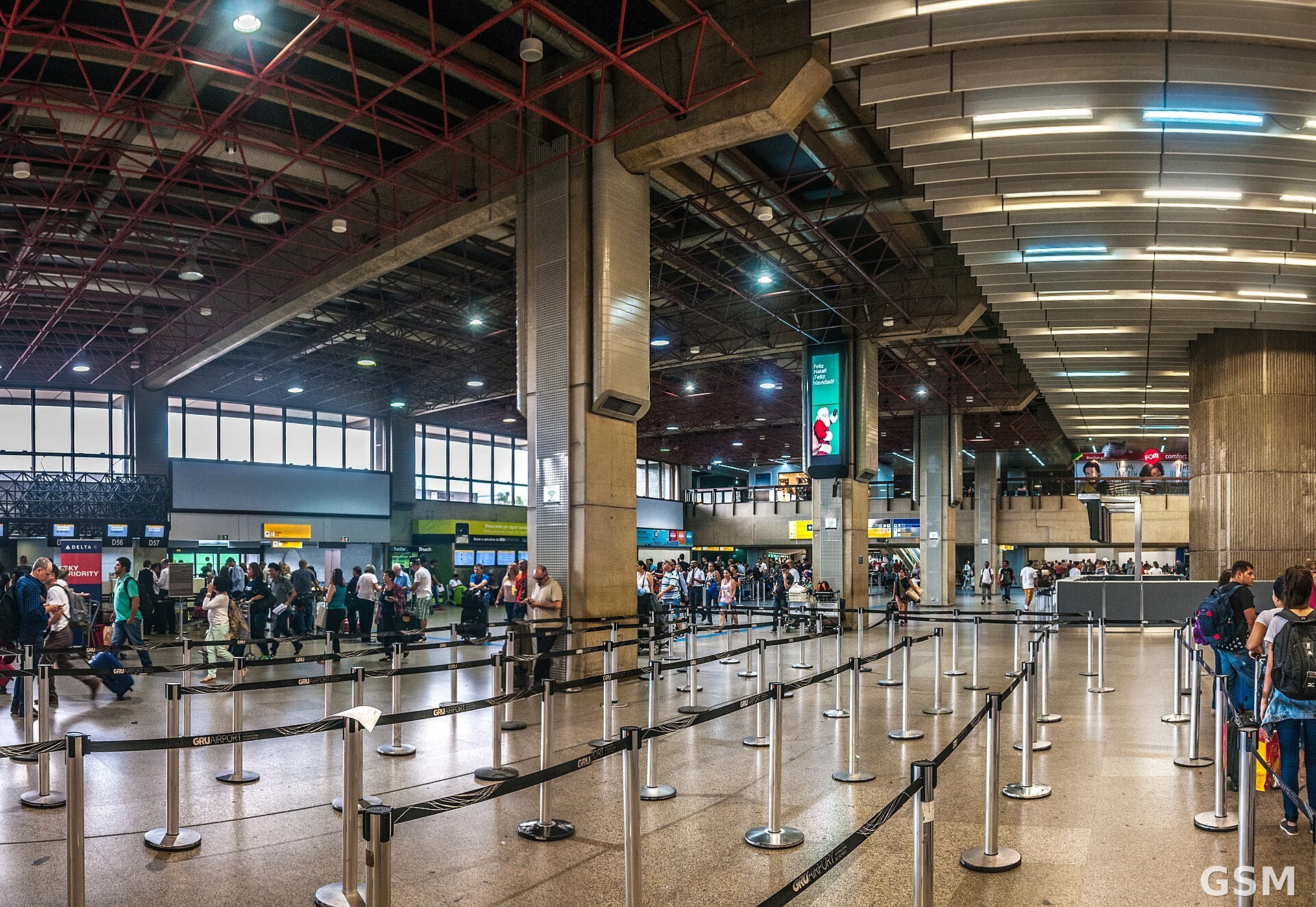
圣保罗 — 巴西环境与可再生自然资源管理局(Ibama)11月4日通报,该局与巴西联邦警察11月3日在圣保罗州 Guarulhos 国际机场查获16枚被秘密携带的野生鸟蛋:一名中国籍男子从巴拉那州 Foz do Iguaçu 抵达后,正准备登机前往卡塔尔多哈,被当场查获。
Ibama 说,这名男子把一部分鸟蛋藏在绑在腿上的袜子里、其余放在一只包内。被查获的鸟属于鹦鹉目(鹦鹉、金刚鹦鹉一类),是重要的种子传播者。该男子因未经许可运输野生动物标本被处以8000雷亚尔罚款;16枚蛋已送往圣保罗州野生动物分拣与康复中心照护和孵化。
同一天,在 Foz do Iguaçu 国际机场,联邦警察在例行检查中查获另一名中国籍男子携带的47枚野生鸟蛋:X光显示,鸟蛋被藏在巧克力盒里。这名44岁的男子原定飞往圣保罗 Congonhas 机场,当场被捕;鸟蛋被送往位于 Realeza 的南边疆联邦大学评估照护。两座机场同日共查获63枚。
据 Ibama 与巴西媒体统计,自今年9月以来,巴西在机场与公路检查中已查获近200枚野生鸟蛋,涉事者全部是中国籍人员,多数试图把鸟蛋带往亚洲国家。10月24日,巴西联邦税务局在 Foz do Iguaçu 一辆开往 Rio de Janeiro 的长途客车上查获一对中国籍夫妇携带的34枚鸟蛋,部分藏在简易孵化器和外套夹层里;两人称受雇以3000雷亚尔把「货物」送到 Rio 的 Galeão 机场。这批蛋后来孵出25只雏鸟,由 Bela Vista 生物保护区照护。
非营利组织 Freeland Brasil 11月3日发布的报告指出,鲨鱼鳍、活体观赏鱼和鸟蛋是巴西被贩运最多的野生动物产品。巴拉那州正在开展多部门联合的「活篱笆行动」,在巴西、阿根廷、巴拉圭三国交界地区加强打击野生动物贩运。据中国侨网报道,中国驻巴西使领馆已就近期多起查获发布提醒,呼吁中国公民遵守巴西野生动物保护法律法规,不要携带、运输受保护物种及其制品出入境。
(来源:巴西环境与可再生自然资源管理局)
Brazil Seizes 63 Wild Bird Eggs at Two Airports on One Day: All Travellers Involved Were Chinese Nationals, With Nearly 200 Eggs Seized Since September
SAO PAULO — Brazil's environmental agency Ibama said on November 4 that it and the Federal Police had seized 16 wild bird eggs at Guarulhos International Airport in São Paulo state on November 3, carried secretly by a Chinese national who had arrived from Foz do Iguaçu, Paraná, and was preparing to board a flight to Doha, Qatar.
Ibama said the man carried some of the eggs in socks strapped to his legs and the rest in a bag. The birds belong to the parrot order — parrots and macaws — which play a key role in seed dispersal. He was fined 8,000 reais for transporting wildlife specimens without authorisation, and the 16 eggs were sent to the São Paulo state wildlife triage and rehabilitation centre for incubation and care.
The same day, at Foz do Iguaçu International Airport, Federal Police routine screening found 47 wild bird eggs carried by another Chinese national: X-rays showed the eggs hidden inside chocolate boxes. The 44-year-old man, who was bound for Congonhas Airport in São Paulo, was arrested on the spot, and the eggs were sent to the Federal University of Fronteira Sul in Realeza for assessment and care. The two airports together yielded 63 eggs in one day.
According to Ibama and Brazilian media tallies, nearly 200 wild bird eggs have been seized at Brazilian airports and on highways since September, in cases all involving Chinese nationals, most of them attempting to take the eggs to Asian countries. On October 24, Brazil's Federal Revenue service intercepted a Chinese couple on a bus to Rio de Janeiro at Foz do Iguaçu carrying 34 eggs, some hidden in an improvised incubator and in a jacket lining; the couple said they had been hired for 3,000 reais to deliver the "cargo" to Galeão Airport in Rio. Twenty-five chicks later hatched from that batch and are being cared for at the Bela Vista Biological Refuge.
A report released on November 3 by the nonprofit Freeland Brasil said shark fins, live ornamental fish and bird eggs are among the most trafficked wildlife products in Brazil. Paraná state is running a multi-agency operation, Cerca Viva, against wildlife trafficking in the tri-border area with Argentina and Paraguay. China News Service's overseas Chinese outlet reported that Chinese diplomatic missions in Brazil have issued a reminder urging Chinese citizens to comply with Brazilian wildlife protection laws and not to carry or transport protected species or their products across borders.
(Source: Ibama)
来源:巴西环境与可再生自然资源管理局
发布:GSM·美国(发布链接)
图片来源:图:圣保罗 Guarulhos 国际机场(资料图)。CC BY-SA 4.0,经 Wikimedia Commons。 / Photo: São Paulo Guarulhos International Airport (file photo), CC BY-SA 4.0, via Wikimedia Commons.
GSM Global · 本篇英文版 English edition of this story