SEC委员Uyeda:公司罚款框架已用20年,应更新以免无辜股东「付两次钱」
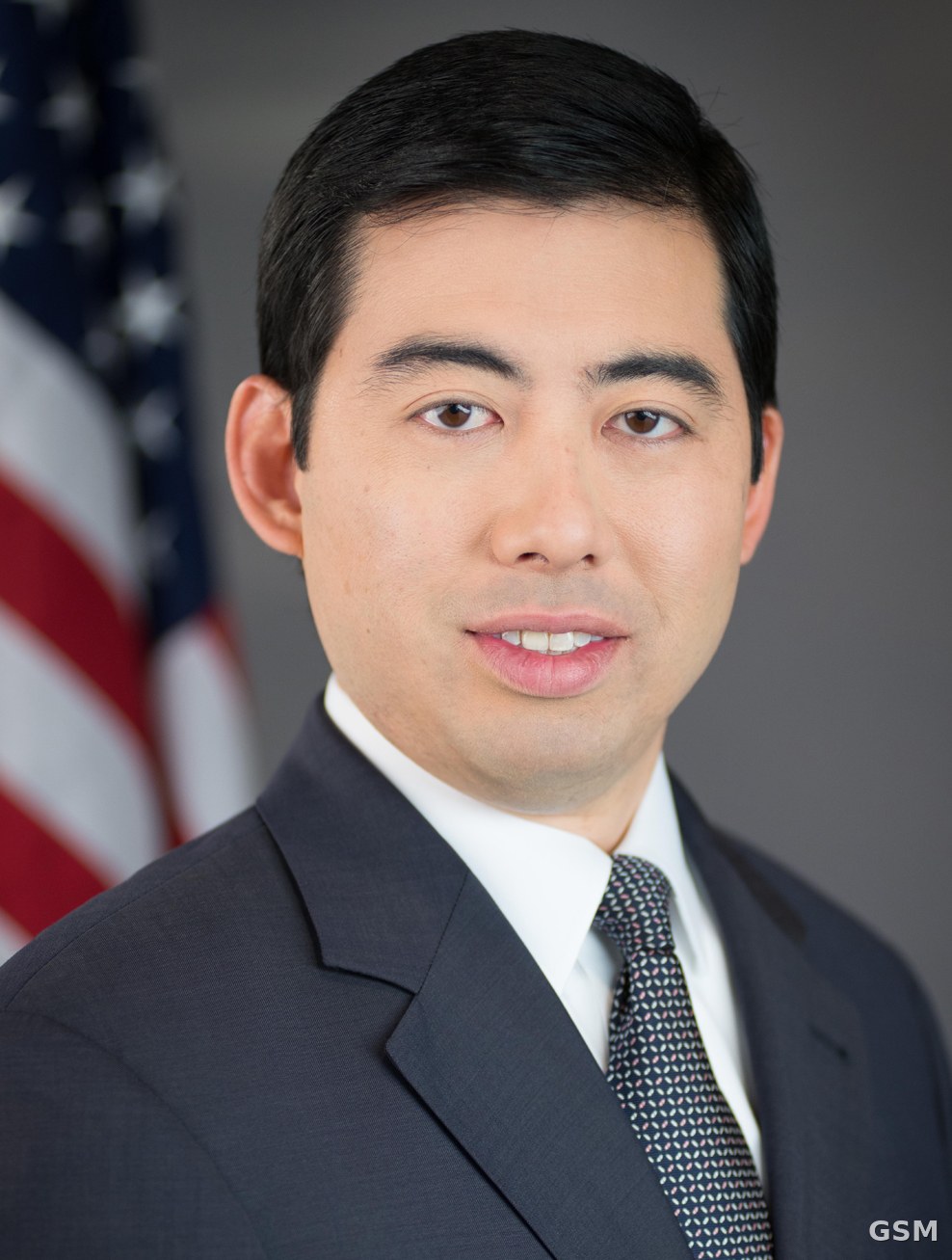
美国证券交易委员会(SEC)委员 Mark T. Uyeda 11月2日在纽约举行的 Practicing Law Institute 第58届证券监管年会上发表讲话,呼吁更新SEC的公司罚款框架。这套框架出自2006年的《公司罚款声明》,至今已沿用20年。Uyeda 提出的核心问题是:公司罚款从公司金库支付,最终往往由股东承担,而当年违规时的受益者、受害者与今天持有股票的人可能根本不是同一批人,无辜股东等于被迫「付两次钱」。
2006年的《公司罚款声明》在时任主席 Christopher Cox 任内以5比0全票通过,为SEC对上市公司开出民事罚款时提供一套分析框架:罚款是否适当,要回溯国会授权的本意,包括股东是否从违规中不当受益、罚款最终由谁承担。Uyeda 2025年1月出任代理主席后指示恢复这一框架,2026年2月24日公布的SEC《执法手册》更新已把框架及委员对部分案件罚款金额的签核做法一并恢复。
但他认为,光恢复还不够,框架必须针对20年来的市场变化作出更新。他列出七个新情况:一是股东构成流动性增强,以虚增利润为例,高位买入者、卖出者与后来的持有者并非同一批人,罚金可能落在与违规无关的人身上;二是公平基金(Fair Funds)的赔偿分配难以识别间接受害者,经共同基金或ETF持股的投资者尤其难以核定;三是违规行为的意图要素应纳入考量,他举2023年 Charter Communications 案为例,该案因股票回购内控问题被罚2,500万美元;四是SPAC等新组织形式,2021年一年就有逾600家SPAC上市、募资逾1,600亿美元,合并后的公众股东与当初发起方的行为无关;五是双层股权结构下,罚金按经济权益分摊,与控制权不成比例;六是2010年《多德-弗兰克法案》设立的举报人计划与罚款金额存在联动,巨额罚款会抬高潜在举报奖金;七是「公司获得直接且重大的利益」这一要素在现代案件中需要更清晰的界定。
讲话的另一半落在个人追责上。Uyeda 表示,公司不会自己行动,每一份失实陈述都是由具体的人起草、审核和签署的,国会已给了SEC直接针对个人的工具:由法院下达的高管与董事禁任、对经纪商与投资顾问从业人员的谴责、停牌或禁业、对会计师等专业人士的102(e)程序,以及《萨班斯-奥克斯利法》第304条要求CEO与CFO在财报重述后退还奖金、激励薪酬与售股获利。他说,委员会不应默认开出公司罚单、让无辜股东承担,而应在有依据时更多使用这些工具追究责任人本人。
Uyeda 说,这套框架的原则方向仍然正确,需要的是更新而非抛弃,使其能为下一个20年提供指引。讲话末尾注明,这代表他作为委员的个人观点,不一定代表委员会或其同僚委员的观点。Uyeda 目前还负责牵头SEC推动美国国债交易向中央清算过渡的工作。
关联:证监会对部分关联方与非美国回购交易给予国债清算规则豁免:为经纪商推进中央清算铺路
关联:证监会主席 Atkins 在达拉斯阐述「回归基本原则」:让IPO再次伟大,为数字资产立框架
(来源:美国证券交易委员会)
SEC's Uyeda: 20-Year-Old Corporate Penalty Framework Needs Updating So Innocent Shareholders Don't Pay Twice
Securities and Exchange Commission (SEC) Commissioner Mark T. Uyeda on November 2 called for updating the Commission's corporate penalty framework, which dates to the 2006 Statement Concerning Financial Penalties, in remarks at the Practicing Law Institute's 58th Annual Institute on Securities Regulation in New York. His central concern: a corporate penalty is paid out of the corporate treasury and ultimately borne by shareholders, yet the investors who benefited from, or were harmed by, a violation years ago may not be the people holding the stock today — leaving innocent, harmed shareholders to effectively pay twice.
The 2006 Statement, adopted unanimously under Chairman Christopher Cox, gave the Commission an analytical framework for corporate civil penalties grounded in what Congress authorized and why, including whether shareholders improperly benefited from the violation. After becoming Acting Chairman in January 2025, Uyeda directed staff to restore the framework, and updates to the Enforcement Manual announced on February 24, 2026 restored both the framework and the practice of Commissioners signing off on corporate-penalty amounts in certain cases.
Restoration alone is not enough, he argued, because markets and the shareholder base have changed. He listed seven developments the framework must now account for: the turnover of the shareholder base over time; the difficulty Fair Funds distributions face in identifying indirect victims who hold shares through mutual funds or ETFs; the intent element of the underlying charge, pointing to the 2023 Charter Communications case, in which a $25 million penalty was imposed over stock-buyback controls; new organizational forms such as SPACs — more than 600 of which went public in 2021 alone, raising over $160 billion — whose later public shareholders had no part in earlier sponsor or target conduct; dual-class stock structures, under which a penalty borne pro rata by economic holders may not fall proportionately on the person with voting control; the whistleblower program created by the Dodd-Frank Act in 2010, whose awards are tied to amounts collected; and the need for clearer application of what counts as a direct and material benefit to the corporation.
The other half of his analysis was individual accountability. Corporations do not act on their own, Uyeda noted: every misstatement is drafted, reviewed and signed by individuals. Congress gave the SEC tools to reach individuals directly, including court-ordered officer-and-director bars, censure, suspension or bars for persons associated with broker-dealers and investment advisers, Rule 102(e) proceedings against accountants and other professionals, and Sarbanes-Oxley Section 304, which requires CEOs and CFOs to reimburse bonuses, incentive compensation and stock-sale profits after a restatement. Rather than defaulting to a corporate penalty borne by innocent shareholders, he said, the Commission should not be reluctant to use those tools where warranted.
"Its principles still point in the right direction," Uyeda said of the 2006 Statement, arguing it should be refined for the next 20 years, with the focus kept on who ultimately pays, whether shareholders benefited, and whether a penalty is needed for deterrence. His remarks were noted as his own views as an individual Commissioner, not necessarily those of the Commission or his fellow Commissioners. Uyeda also leads the agency's initiative overseeing the transition to central clearing of U.S. Treasury securities transactions.
(Source: U.S. Securities and Exchange Commission)
来源:美国证券交易委员会
发布:GSM·美国(发布链接)
图片来源:美国证券交易委员会委员 Mark T. Uyeda 官方肖像(公共领域)
GSM Global · 本篇英文版 English edition of this story