投票前夜美国选民经济情绪低迷:路透社称物价与时薪自2025年1月以来同涨约5.5%,实际购买力原地踏步
美国,11 月 2 日——路透社 11 月 2 日报道,在 11 月 3日中期选举前夜,美国选民的注意力集中在经济上:物价高企且持续上涨是关键议题,不少选民把通胀归因于关税与伊朗战争等政策。美国总统特朗普本人不在11 月 3 日的选票上,但选民投票时会掂量他的经济政绩。
宏观数据呈现的图景则更为复杂:失业率 9 月为 4.2%,连续五年不高于 4.5%,为有记录以来最长的一段;每周失业保险申领接近 57年来低点;上季度美国经济按年率增长 3.4%,为今年最强表现;商业投资上季度按年率增长 12.7%。世界大型企业联合会发布的信心指数 10月回升,而密歇根大学消费者信心指数则接近历史低点。安尼克斯财富管理公司(Annex WealthManagement)首席经济策略师布赖恩·雅各布森(BrianJacobsen)说,信心指数追踪宏观经济,而信心指数更具个人色彩,询问人们自身的财务状况与生活可负担程度;“情绪是选举结果更大的驱动因素,而信心是市场更大的驱动因素。”
财政部长斯科特·贝森特(Scott Bessent)上周对 CNBC 说,消费者行为与企业行为都很强劲。但阿波罗全球管理公司(ApolloGlobal Management)首席经济学家托尔斯滕·斯洛克(Torsten Slok)在 10月中旬的一份报告中警告,人工智能预期急剧重置可能削弱企业信心、导致资本支出回落并拖累经济增长,而油价上涨、关税与更严格的移民限制又推高通胀,存在增长放缓而物价仍涨的滞胀风险。
路透社援引美国劳工统计局数据指出,消费价格与平均时薪自 2025 年 1 月以来均上涨约 5.5%:从购买力角度看,工人与特朗普 2025年 1 月上任时相比既未变差、也未变好。美联储 9 月加息,预计 12 月再次加息;美联储主席凯文·沃什(KevinWarsh)称之为“货币良药”,意在压低通胀而不必“给经济齿轮里掺沙子、让人失业”。30 年期房贷利率已逾7%,加之住房供应短缺推高房价,使购房对许多人遥不可及。
(来源:路透社)
US Voters in a Sour Economic Mood on Election Eve: Reuters Reports Prices and Hourly Earnings Both Up About 5.5% Since January 2025, Leaving Purchasing Power Flat
UNITED STATES, November 2 — Reuters reported on November 2 that on the eve of the November 3 midterm elections, American voters' minds are on the economy: high and rising prices are a key issue, and many blame the president's policies, specifically tariffs and the Iran war, for nagging inflation. President Donald Trump is not on the ballot on November 3, but voters have his economic record in mind as they head to the polls.
The macroeconomic numbers tell a more complex story. The unemployment rate, at 4.2% in September, has measured no higher than 4.5% for five straight years — the longest stretch on record — and weekly unemployment insurance claims are near a 57-year low. The US economy grew at a 3.4% annualized pace last quarter, its strongest performance this year, and business investment rose at an annualized 12.7% pace. One widely tracked measure of confidence published by the Conference Board perked up in October, while the University of Michigan's consumer sentiment index registered a near-record low. Brian Jacobsen, chief economic strategist at Annex Wealth Management, said the confidence index tracks the macroeconomy, while the sentiment index is "more personal," asking people how they are doing financially and how affordable they find their lives to be. "Sentiment is the bigger driver of election outcomes, but confidence is the bigger driver of markets," he said.
Treasury Secretary Scott Bessent told CNBC last week that consumer behavior and corporate behavior are quite strong. But Torsten Slok, chief economist at Apollo Global Management, wrote in a mid-October note that a sharp reset in AI expectations could undermine corporate confidence, trigger a pullback in capital expenditure and weigh on GDP growth, just as higher oil prices, tariffs and tighter immigration restrictions push inflation higher, raising the risk of a stagflationary environment in which growth slows even as price pressures persist.
Reuters cited data from the US Bureau of Labor Statistics showing that consumer prices and average hourly earnings have both risen about 5.5% since January 2025: from a purchasing-power perspective, workers are no worse off, but also no better off, than when Trump came into office in January 2025. The US central bank raised its policy rate in September and is expected to increase borrowing costs again in December; Fed Chairman Kevin Warsh calls the approach "monetary medicine" to bring down inflation without, he says, the need "to throw sand in the gears of the economy and throw people out of work." Thirty-year mortgage rates that have topped 7%, combined with a shortage of housing supply that has driven up home prices, have put home purchases out of reach for many people.
(Source: Reuters)
来源:路透社
发布:GSM·美国(发布链接)
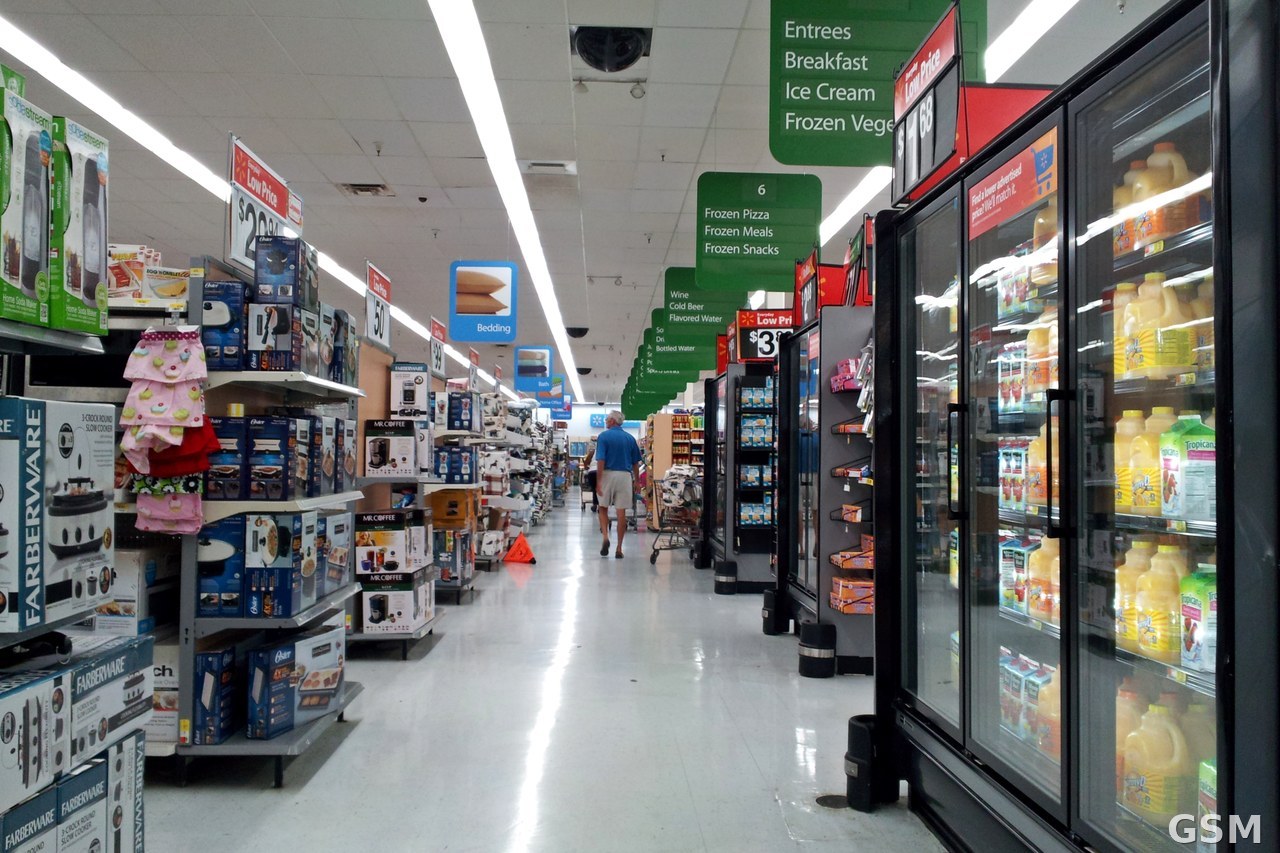
图片来源:美国一家超市的货架通道。 A supermarket aisle in the United States. CC BY-SA 2.0,图片来源:Wikimedia Commons。 CC BY-SA 2.0, via Wikimedia Commons.
GSM Global · 本篇英文版 English edition of this story