美国航天局Swift天文台结束运行:轨道降至171英里后进入安全模式,数周内再入大气层
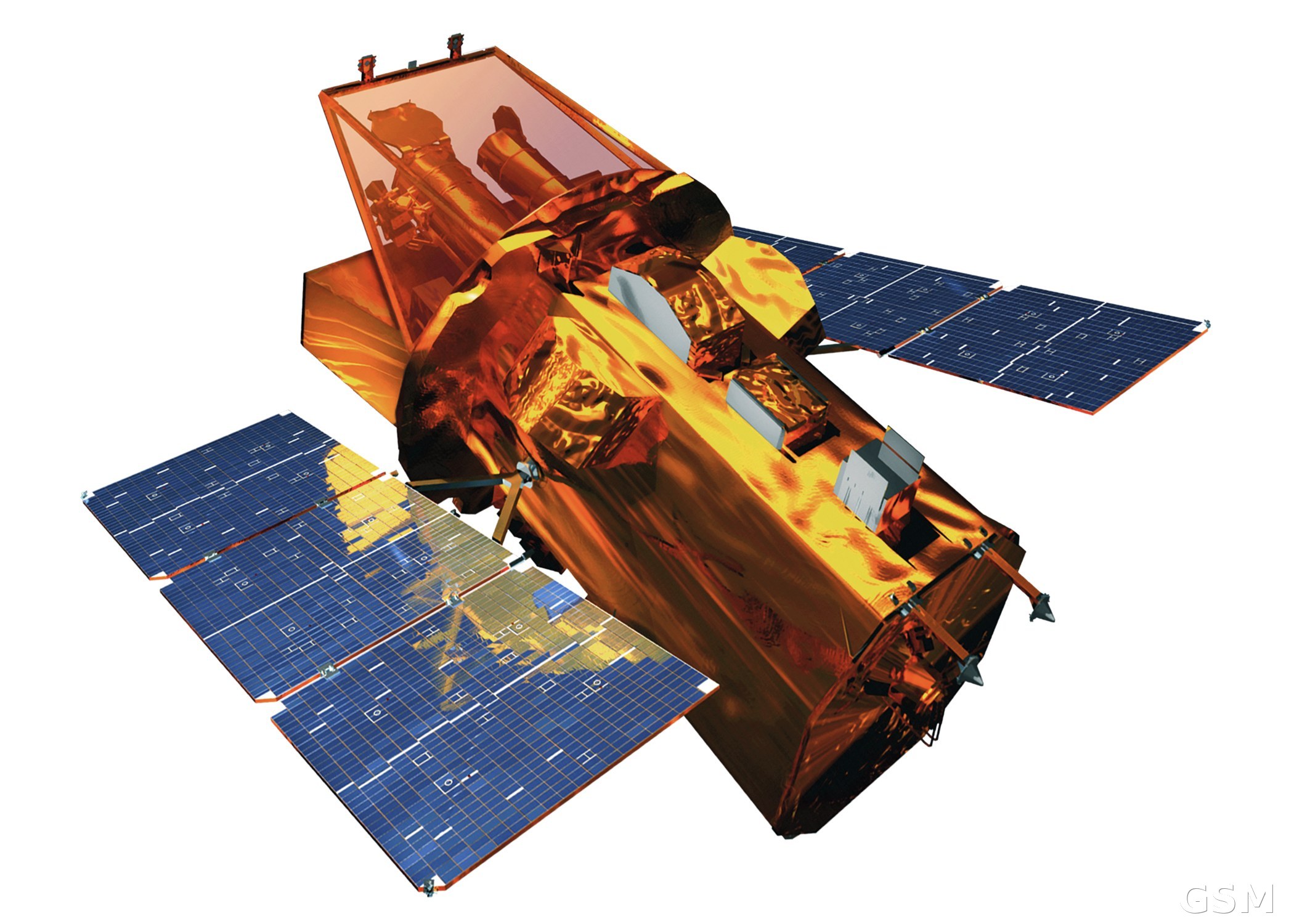
美国航天局 NASA 10月23日宣布,Neil Gehrels Swift 天文台已经结束运行,预计将在未来数周内再入大气层。这台航天器专门研究伽马射线暴——宇宙中最强大的爆炸——以及其他宇宙天体与事件。
NASA 说,所有低地球轨道卫星都会受到大气阻力影响,近期的太阳活动加剧了这一效应,Swift 因此开始快速下沉。今年8月,一次高风险、快速筹备的维修(抬升轨道)任务结束,未尝试为天文台抬升轨道。
此后,Swift 恢复了科学观测——团队此前曾暂停观测以减少阻力、延长在轨时间,为抬升任务争取条件。恢复观测以来,Swift 已观测数百个科学目标,包括恒星爆炸的残骸、遥远星系中活跃的超大质量黑洞,以及太阳系内的彗星。
恢复观测也增加了航天器受到的阻力,Swift 再次快速下沉。10月20日,Swift 降至171英里(275公里)高度,此时航天器已无法抵消不断增强的阻力、进入安全模式。位于宾夕法尼亚州 University Park 的宾夕法尼亚州立大学运行团队随后向航天器发出指令,正式结束 Swift 的运行,为再入大气层做准备。
NASA 表示,Swift 留下了创新成果与大量科学观测数据。后续进展将通过 Swift 官方博客更新。
NASA's Swift Observatory Ends Operations: After Sinking to 171 Miles It Entered Safe Mode and Will Re-enter Within Weeks
NASA announced on October 23 that the Neil Gehrels Swift Observatory has concluded operations and is expected to re-enter the atmosphere in the next few weeks. The spacecraft studies gamma-ray bursts, the most powerful explosions in the universe, and other cosmic objects and events.
All satellites in low Earth orbit experience atmospheric drag, NASA said, and recent solar activity increased that effect on Swift, which began to sink rapidly. A high-risk, fast-turnaround servicing mission ended in August without an attempt to boost the observatory.
Swift then restarted science observations, which the team had paused to minimize drag and extend the spacecraft's time in orbit to support the boost mission. Since then, Swift has observed hundreds of science targets, ranging from the remnants of stellar explosions to active supermassive black holes in distant galaxies and comets in our own solar system.
The return to observations increased drag on the spacecraft, and Swift again began to sink rapidly. On October 20, Swift reached 171 miles (275 kilometers), was no longer able to compensate for the increased drag, and entered safe mode. The operations team at Penn State in University Park then sent a command that effectively ended Swift operations to prepare it for re-entry.
NASA said Swift leaves behind a legacy of innovation and a treasure trove of science observations, with further updates to follow on the Swift blog.
来源:GSM·美国(原文链接)
图片来源:Neil Gehrels Swift 天文台航天器模型图,NASA E/PO、Sonoma State University/Aurore Simonnet,公共领域(维基共享资源)