伊姆兰·汗之子警告父亲生命有危险:自8月以来无人见过他、家人与律师数月无联系
巴基斯坦前总理 Imran Khan 的儿子 Sulaiman Khan 说,自今年8月以来,没有人见过或联系上他的父亲,并警告父亲的生命正处于危险之中。
现年74岁的 Imran Khan 在腐败与贿赂等罪名被判成立后,正在 Rawalpindi 的 Adiala Jail 服刑。他面临100多宗案件的指控,本人否认全部指控,称这些案件出于政治动机。Sulaiman Khan 是 Imran Khan 与第一任妻子 Jemima Goldsmith 所生的儿子。他说,家人与父亲的律师已经数月没有他的消息。
Sulaiman Khan 写道:「自8月以来没有人见过或听过我父亲的消息,他当时明确说过自己正在遭受酷刑,说这个政权想像埃及政府对付 Morsi 那样杀害他。」他指的是埃及前总统 Mohamed Morsi,后者在2019年一次法庭听证期间逝世。
Sulaiman Khan 指责陆军参谋长 Asim Munir 持续无视最高法院8月作出的一项命令:该命令要求让 Imran Khan 在私立的 Shifa International Hospital 接受评估与治疗,并准许家人定期探视、与律师会见。他说:「很明显,他们想杀了他,因为他是这个国家迄今最受欢迎的政治人物,他们害怕他。如果最坏的情况发生,谁该负责,不应有任何误会。」
巴基斯坦政府否认了虐待与单独监禁的指控。信息部今年8月书面回复美联社时表示,Imran Khan 不是依政府命令被关押,而是作为一名经司法程序定罪的「已定罪囚犯」服刑。
据报道,Sulaiman Khan 与弟弟 Kasim Khan 已被劝告不要前往巴基斯坦为父亲的释放奔走,此前已有其他家人被捕:Imran Khan 的三名姐妹 Aleema Khan、Uzma Khan 与 Noreen Niazi 今年9月在计划中的抗议活动前,依旁遮普省《维护公共秩序条例》被拘留;旁遮普省政府官员说,她们的拘留周一再延长30天。
10月11日,总统 Asif Ali Zardari 宣布 Khyber Pakhtunkhwa 进入紧急状态,并暂停了由 Imran Khan 的巴基斯坦正义运动党(PTI)领导的省政府,理由是该省与阿富汗接壤地区存在伊斯兰主义武装活动。PTI 称此举是「伪装成紧急状态的政变」,意在削弱要求释放 Imran Khan 的运动。本月早些时候,一场要求释放他的集会仍吸引了数千名支持者。
Imran Khan's Son Warns His Father's Life Is in Danger: No One Has Seen or Heard From Him Since August
Sulaiman Khan, the son of jailed former Pakistani prime minister Imran Khan, says no one has seen or heard from his father since August, and he has warned that his father's life is in danger, according to The Independent, citing reporting by the Associated Press.
Imran Khan, 74, is serving a prison sentence at Adiala Jail in Rawalpindi following convictions on corruption and bribery charges. The former prime minister and former national cricket captain faces charges in more than 100 cases; he has denied all charges, describing them as politically motivated. Sulaiman Khan, his son from his first marriage to Jemima Goldsmith, said the family and his father's lawyers have not heard from him in months.
'No one has seen or heard from my father since August, when he explicitly said that he was being tortured and that the regime was trying to kill him like Egypt's government did Morsi,' Sulaiman Khan wrote, referring to former Egyptian president Mohamed Morsi, who died during a court hearing in 2019.
He accused army chief General Asim Munir of ignoring an August Supreme Court order that directed that Khan be assessed and treated at the private Shifa International Hospital and be granted regular family visits and access to his lawyers. 'It is clear that they are trying to kill him as he is by far the most popular political figure in the country, and they fear him,' he added. 'If the worst happens, no one should make any mistake who is responsible.'
Pakistan's government has denied allegations of mistreatment and solitary confinement. The Ministry of Information told the Associated Press in a written response in August that Khan is not held under a government order but as a 'convicted prisoner' serving sentences imposed by courts following judicial proceedings.
Sulaiman Khan and his brother Kasim Khan have reportedly been advised against travelling to Pakistan to campaign for their father's release following the arrests of other family members. Khan's three sisters, Aleema Khan, Uzma Khan and Noreen Niazi, were detained in September 2026 under the Punjab Maintenance of Public Order Ordinance, ahead of planned protests; officials from Pakistan's Punjab government said their detention was extended for another 30 days on Monday.
On October 11, President Asif Ali Zardari declared a state of emergency in Khyber Pakhtunkhwa and suspended the provincial government led by Khan's Pakistan Tehreek-e-Insaf (PTI) party, citing Islamist militancy in the province bordering Afghanistan. The PTI described the move as 'more of a coup disguised as an emergency,' accusing the authorities of attempting to weaken the movement demanding Khan's release. A rally demanding his release earlier this month still drew thousands of supporters.
来源:GSM·美国(原文链接)
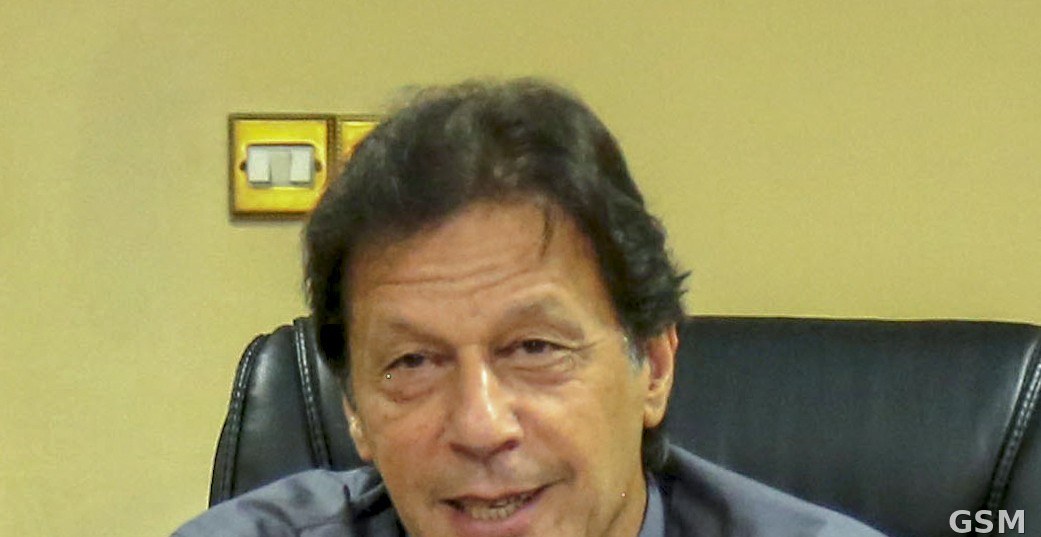
图片来源:图:巴基斯坦前总理 Imran Khan(资料照片,2018年于 Islamabad)。美国国务院摄,公共领域,经 Wikimedia Commons。 / Former Pakistani prime minister Imran Khan (file photo, Islamabad, 2018). Photo by the U.S. Department of State, public domain, via Wikimedia Commons.