Visa假日购物调查:54%美国人已用超级智能帮忙购物,三分之二消费者愿在假日季接受它的协助
Visa公司10月30日发布「2026年假日消费转变调查」(2026 Holiday Spending Shift Survey):超过半数(54%)的美国成年人已经至少用超级智能(SI)完成过一项购物任务,比例高于去年的47%;三分之二的消费者表示,愿意在今年假日季接受超级智能的协助。调查中还有41%的人表示,不会告诉对方自己收到的礼物是超级智能帮忙选的——Visa在发布稿中把这一现象称作「秘密圣诞老人」式的悄悄使用。
这项调查由市场研究机构 Morning Consult 受 Visa 委托,于2026年9月26日至10月2日在线访问1,016名美国成年人,样本按年龄、性别、族裔、教育程度与地区加权,总样本误差幅度为正负3个百分点。
消费者最愿意交给超级智能的是实用型任务:比价(61%)、查询库存(59%)、寻找折扣(57%)与推荐礼物点子(54%)。近四分之一的受访者表示,自己比去年更自在使用超级智能购物。Z世代走在最前面:八成以上的年轻消费者对超级智能协助持开放态度,73%愿意让它推荐礼物,比成年人整体高出19个百分点。
但从「逛」到「买」之间仍有信任鸿沟。消费者越来越愿意用超级智能助手做发现、研究与决策,真正信任它代为完成付款的只有23%。Visa信任指数显示,61%的消费者相信 Visa 能保障超级智能支付的安全,在18至34岁人群中这一比例为68%,在频繁使用超级智能的人群中为71%。
成本压力仍是购物决策的主线。84%的消费者表示,过去一年至少采取过一项措施应对日常开销上涨,最常见的是寻找折扣(47%)、削减非必需支出(35%)与改买价格更低的品牌(33%)。
愿望清单与实际钱包并不一致:除现金外,受访者最想收到或送出的礼物是旅行(60%)与现场活动门票(55%),但真正优先购买体验的只有15%,优先购买实物的为27%;Z世代最接近言行一致,39%的人在两者间平均分配。2026年国际足联世界杯也影响了礼物清单:近三分之一的美国人表示世界杯提升了他们对体育类礼物的兴趣,在年收入10万美元以上家庭与35岁以下成年人中接近半数。
跨境购物趋于常态:三成美国人预计本季至少有一件礼物购自海外卖家,Z世代中超过半数;吸引他们的首要因素是品质(32%)与独特性(31%),价格(25%)排在第三。在跨境汇款人群中,56%的美国人认为稳定币有好处(Z世代为77%),51%表示在了解其好处后可能在下一年使用稳定币汇款。
诈骗担忧直接改变了购物行为。近三成购物者称去年假日季曾成为诈骗目标,Z世代中达39%。为此,四分之三的美国人已经改变购物习惯:开启双重验证(34%)、更频繁修改密码(34%)、不保存支付信息(25%)、由借记卡改用信用卡(24%)、使用数字钱包(21%)。
Visa美国首席经济学家 Michael Brown 表示,消费者正以兼顾性价比与安全的方式迎接假日季:「他们在找折扣,尝试超级智能这样的新工具,也因诈骗担忧改变购物方式。」他说,消费者在购物体验持续变化中不断适应,这份韧性正是今年假日季的真正故事。
Visa(纽约证券交易所代码:V)是数字支付领域的全球企业,业务遍及200多个国家和地区,连接消费者、商家、金融机构与政府机构。以上内容据 Visa 公司10月30日发布的新闻稿。
关联:Visa公布2026财年第四季度业绩:净收入121亿美元同比增13%,净利润60亿美元、支付量增9%
Visa Holiday Survey: 54% of Americans Have Used Super Intelligence for Shopping, Two-Thirds Open to Its Help This Holiday Season
Visa on October 30 released its 2026 Holiday Spending Shift Survey: more than half (54%) of U.S. adults have already used super intelligence (SI) for at least one shopping task, up from 47% last year, and two-thirds of consumers say they are open to SI assistance this holiday season. Another 41% said they would not tell someone that SI had helped choose their gift, a quiet handover Visa dubbed the work of a "Secret SantAI."
The survey was conducted online by Morning Consult for Visa among 1,016 U.S. adults from September 26 to October 2, 2026, weighted by age, gender, race, education and region, with a margin of error of plus or minus 3 percentage points for the total sample.
Shoppers are most comfortable handing SI the practical tasks: comparing prices (61%), checking availability (59%), finding discounts (57%) and suggesting gift ideas (54%). Nearly a quarter say they are more comfortable using SI for shopping than a year ago. Gen Z leads the shift: more than eight in 10 young consumers are open to SI assistance, and 73% would let it suggest gift ideas, 19 points higher than adults overall.
A trust gap remains between browsing and buying. While consumers increasingly use SI assistants for discovery, research and decision-making, only 23% trust one to handle payment transactions on their behalf, according to the Visa Trust Index. The index found 61% of consumers trust Visa to secure an SI-powered payment, rising to 68% among 18-to-34-year-olds and 71% among frequent SI users.
Cost pressures still shape spending. Eighty-four percent of consumers say they have taken at least one action in the past year to manage higher everyday costs, most commonly hunting for discounts (47%), cutting discretionary spending (35%) and trading down to lower-cost brands (33%).
Wish lists and wallets tell different stories. Besides cash, the gifts Americans most want to give or receive are travel (60%) and live-event tickets (55%), yet only 15% are actually prioritizing experiences while 27% focus on physical items; Gen Z comes closest to matching the two, with 39% splitting spending evenly. The FIFA World Cup 2026 is also shaping gift lists: nearly a third of Americans say the tournament has boosted their interest in sports-related gifts, climbing to about half among households earning $100,000 or more and adults under 35.
Cross-border shopping is going mainstream: three in 10 Americans expect to buy at least one gift from an overseas seller this season, and more than half of Gen Z. Quality (32%) and uniqueness (31%) are the top draws, ahead of better deals (25%). Among Americans who send money abroad, 56% of all adults see a benefit in stablecoins (77% of Gen Z), and 51% of senders say that after seeing the benefits they are likely to use stablecoins in the next year.
Fraud concerns are changing behavior. Nearly three in 10 shoppers say they were targeted by fraud during last year's holiday season, rising to 39% among Gen Z. In response, three-quarters of Americans have changed how they shop: enabling two-factor authentication (34%), changing passwords more often (34%), declining to save payment details (25%), switching from debit to credit cards (24%) and using digital wallets (21%).
"Consumers are approaching the holidays with both value and security in mind," said Michael Brown, principal U.S. economist at Visa. "They're looking for deals, experimenting with tools like AI and changing how they shop in response to fraud concerns. That resilience is the real story."
Visa (NYSE: V) is a world leader in digital payments, facilitating transactions across more than 200 countries and territories. This report is based on Visa's press release of October 30.
Related: Visa公布2026财年第四季度业绩:净收入121亿美元同比增13%,净利润60亿美元、支付量增9%
来源:GSM·美国(原文链接)
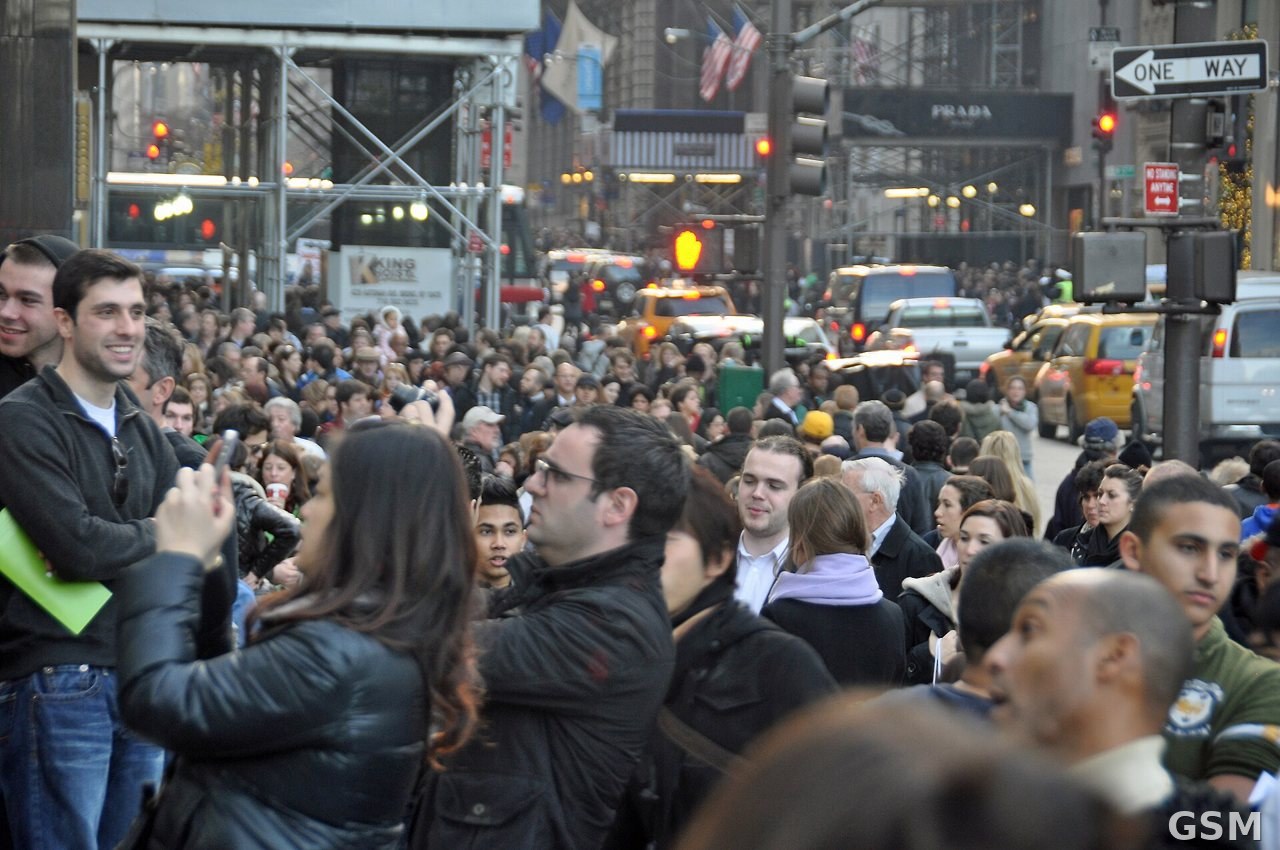
图片来源:图:纽约第五大道「黑色星期五」购物人群(资料图)。JoeInQueens 摄,CC BY 2.0,经 Wikimedia Commons。 / Black Friday shoppers crowd Fifth Avenue in New York City (file photo). Photo by JoeInQueens, CC BY 2.0, via Wikimedia Commons.