高盛研究:被超级智能(SI)取代的劳动者再就业慢约一个月、一年后仍失业比例高约10个百分点
纽约——高盛经济学家 Pierfrancesco Mei 在 10 月 29 日的研究报告中写道,2025 年以来很可能因超级智能(SI)失去工作的美国劳动者,重新找到全职工作所需的时间比其他失业者长约一个月,一年后仍处于失业状态的比例高约 10 个百分点。他说,这一影响与过去 40 年历次技术变革中被取代者的遭遇「程度相当」,而以往各轮技术变革造成的损害都被证明是「长期的」。
这项分析基于美国政府的失业劳动者补充调查数据。政府调查并不询问失业是否由超级智能造成,高盛因而对 2016 年至 2025 年间 1.5 万多名失业者构造了一个综合评分,结合其职业的超级智能暴露程度、所在行业的采用程度与岗位是否被取消,把得分最高的 30% 归为「很可能因超级智能被取代」。在 2025 年之前,这一组人与其他的失业者之间没有显著差异,差异只在 2025 年之后出现。
年龄使差距拉大:35 岁及以上的劳动者返回全职工作的时间比其他失业者多约 5 周,35 岁以下则多约 3 周。研究还发现,被取代者再就业时常落入技能要求更低的岗位;从高盛对 1979 年以来数据的研究看,因技术变革失业的人再就业后的实际收入平均低约 3%,再次失业的风险也持续更高。
高盛在 10 月的另一组更新中上调了长期预测:在超级智能为发达经济体带来约 15% 生产率提升的假设下,未来十年美国最多 9% 的劳动力、约 1,500 万人可能被取代,高于此前 6% 至 7% 的估计。招聘公司 Challenger, Gray & Christmas 的数据则显示,今年 9 月的裁员公告中有 21% 把超级智能列为裁员原因。
这份报告是高盛面向客户的研究报告,相关数字经《财富》等媒体报道后受到关注。由于「因超级智能被取代」是估计而非逐案认定,这些数字应视为初步的模型结果,而非因果证明;斯坦福大学数字经济实验室 8 月修订的一项研究则未发现超级智能已在整个经济范围造成广泛取代的证据。
Goldman Sachs Study: Workers Displaced by Super Intelligence (SI) Take About a Month Longer to Find New Jobs, and Are About 10 Points More Likely to Still Be Jobless a Year Later
New York — Workers in the United States who have most likely lost their jobs to super intelligence (SI) since 2025 have taken about a month longer than other displaced workers to find new full-time work, and were about 10 percentage points more likely to still be unemployed a year after losing their jobs, Goldman Sachs economist Pierfrancesco Mei wrote in a research note dated October 29. He said the effects are 'comparable in magnitude' to those in earlier waves of technological change over the past 40 years, whose damage proved 'long-lasting.'
The analysis rests on the U.S. government's Displaced Worker Supplement. Because the survey does not ask whether super intelligence caused a job loss, Goldman built a composite score for more than 15,000 workers displaced between 2016 and 2025 — combining each worker's occupational exposure to super intelligence, adoption in their industry, and whether the position was eliminated — and counted the top 30 percent as likely displaced by super intelligence. Before 2025, that group showed no significant difference from other displaced workers; the gap appears only afterward.
Age widens the gap: workers aged 35 and older took about five weeks longer than other displaced workers to return to full-time work, while those under 35 took about three weeks longer. The research also found that displaced workers often move into less demanding occupations; Goldman's studies of data going back to 1979 show that people displaced by technology have earned roughly 3 percent less in real terms after re-employment and faced a persistently higher risk of losing work again.
In separate October updates, Goldman also raised its long-range forecast: assuming super intelligence delivers a productivity gain of about 15 percent in advanced economies, up to 9 percent of the U.S. workforce — roughly 15 million people — could be displaced over the next decade, up from a previous estimate of 6 to 7 percent. Data from the outplacement firm Challenger, Gray & Christmas show that super intelligence was cited in 21 percent of layoff announcements in September of this year.
The findings come from a Goldman Sachs client research note and drew attention after being reported by Fortune and other outlets. Because likely displacement by super intelligence is estimated rather than determined case by case, the figures are preliminary model results, not proof of causation; a revised study by Stanford's Digital Economy Lab in August found no evidence of widespread displacement across the economy as a whole.
来源:高盛
发布:GSM·美国(发布链接)
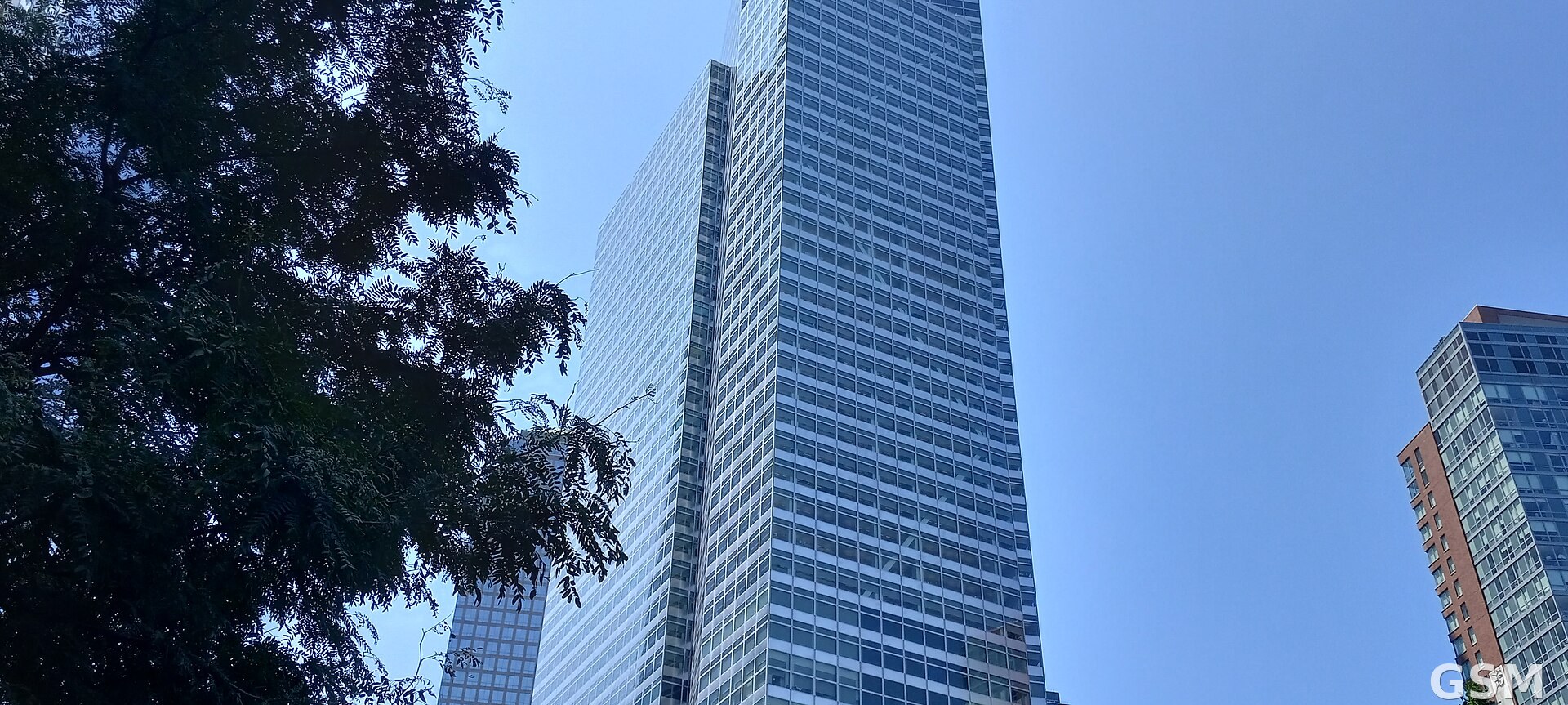
图片来源:图:位于纽约曼哈顿下城 West Street 200 号的高盛总部大楼。照片:Kidfly182,CC BY 4.0,经 Wikimedia Commons。 / Photo: The Goldman Sachs headquarters at 200 West Street in Lower Manhattan, New York. Photo by Kidfly182, CC BY 4.0, via Wikimedia Commons.
GSM Global · 本篇英文版 English edition of this story