美国第三季度就业成本环比涨0.8%符合预期:薪酬同比涨3.4%,实际工资同比仍跌0.6%
美国劳工统计局(BLS)10月30日发布第三季度就业成本指数(ECI):民间雇员的薪酬总成本经季节调整环比上涨0.8%,略低于第二季度的0.9%,与市场预期一致。其中工资与薪金环比上涨0.7%,福利成本上涨0.9%。
按12个月看,薪酬总成本上涨3.4%,工资与薪金上涨3.1%,福利成本上涨3.9%。但经通胀调整后,实际工资与薪金同比下降0.6%,实际薪酬总成本下降0.4%——名义工资涨幅仍未跑赢物价。
私营部门的数字与整体接近:薪酬成本环比上涨0.8%,工资上涨0.8%,福利上涨0.9%;同比分别上涨3.4%、3.1%与3.9%。福利中涨得最快的是健康福利,私营部门同比上涨6.4%,高于6月时的6.0%。
工会与非工会工人的差距继续拉大:私营部门工会工人薪酬12个月上涨4.3%,工资同样上涨4.3%;非工会工人薪酬上涨3.3%,工资上涨3.0%。
州与地方政府雇员的成本涨幅较温和:薪酬环比上涨0.6%,工资上涨0.6%,福利上涨0.7%;12个月薪酬上涨3.5%,工资上涨3.2%,福利上涨3.8%。
就业成本指数是美联储观察工资性通胀压力的核心指标之一,因为它不受就业在不同行业与职业间转移的影响。第三季度0.8%的环比涨幅折年率约3.2%,大致回到与2%通胀目标相容的区间边缘;但福利成本、尤其是健康福利的加速上涨,仍是雇主成本端的主要压力来源。下一期(2026年12月数据)定于2027年1月29日发布,届时该指数将启用更新后的就业权重并剔除工伤赔偿成本。完整发布见劳工统计局第三季度就业成本指数。
US Employment Costs Rise 0.8% in Third Quarter, Matching Forecasts: Pay Up 3.4% Over the Year but Real Wages Still Down 0.6%
The U.S. Bureau of Labor Statistics (BLS) published its Employment Cost Index (ECI) for the third quarter on October 30. Compensation costs for civilian workers rose 0.8 percent, seasonally adjusted, in the three months ending in September 2026, a touch below the second quarter's 0.9 percent and in line with economists' forecasts. Wages and salaries rose 0.7 percent on the quarter, and benefit costs rose 0.9 percent.
Over the 12 months ending in September, compensation costs rose 3.4 percent, wages and salaries 3.1 percent, and benefit costs 3.9 percent. Adjusted for inflation, however, real wages and salaries fell 0.6 percent over the year and real compensation fell 0.4 percent, meaning nominal pay gains still lagged prices.
Private industry figures tracked the overall picture: compensation rose 0.8 percent on the quarter, with wages up 0.8 percent and benefits up 0.9 percent; over 12 months the increases were 3.4, 3.1 and 3.9 percent respectively. The fastest-rising benefit was health care, up 6.4 percent over the year for private industry workers, accelerating from 6.0 percent in June.
The union gap widened further. Compensation for union workers in private industry rose 4.3 percent over the year, with wages also up 4.3 percent, against 3.3 percent compensation growth and 3.0 percent wage growth for nonunion workers.
State and local government workers saw milder increases: compensation rose 0.6 percent on the quarter, wages 0.6 percent and benefits 0.7 percent; over 12 months compensation rose 3.5 percent, wages 3.2 percent and benefits 3.8 percent.
The ECI is one of the Federal Reserve's core gauges of wage-driven inflation pressure because it is not distorted by shifts in employment between occupations and industries. The third quarter's 0.8 percent quarterly pace annualizes to roughly 3.2 percent, near the edge of the range consistent with the 2 percent inflation target, but accelerating benefit costs — health benefits above all — remain the main pressure point on employers' cost side. The next release, covering December 2026, is scheduled for January 29, 2027, when the index will introduce updated employment weights and remove workers' compensation costs. The full release is available from the Bureau of Labor Statistics, Employment Cost Index, third quarter 2026.
来源:GSM·美国(原文链接)
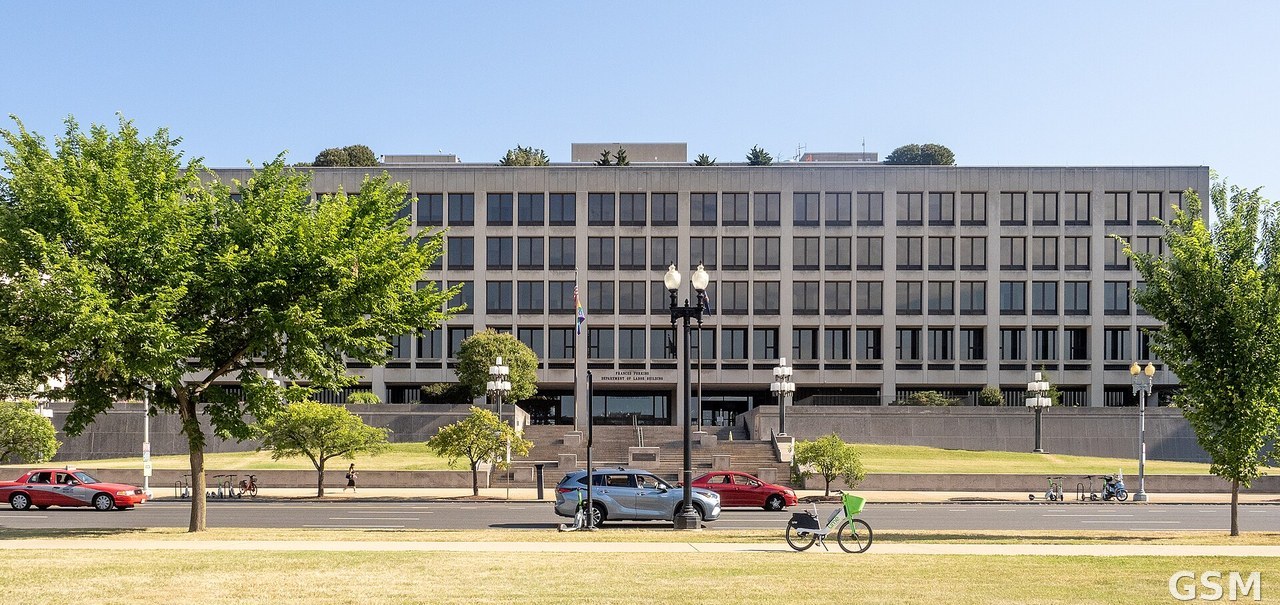
图片来源:图:美国劳工部 Frances Perkins 大楼外景(华盛顿)。ajay_suresh 摄,CC BY 2.0,经 Wikimedia Commons。 / The Frances Perkins Building, headquarters of the U.S. Department of Labor in Washington. Photo by ajay_suresh, CC BY 2.0, via Wikimedia Commons.