Enanta抗RSV口服药zelicapavir全球2b/3期试验首例患者给药:高危成人800毫克每日一次连服7天
总部位于美国麻州 Watertown 的临床阶段生物技术公司 Enanta Pharmaceuticals(纳斯达克:ENTA)10月26日宣布,其口服抗病毒候选药 zelicapavir 的全球 2b/3 期临床试验 RESOLVE 已完成首例患者给药,受试者为处于呼吸道合胞病毒(RSV)重症高风险的成人门诊患者;该试验 2b 期部分的顶线数据预计 2027 年公布。
RESOLVE 是一项随机、双盲、安慰剂对照、多中心全球试验,纳入 RSV 检测阳性、呼吸道感染症状出现不超过 3 天的成人门诊患者,且须至少具备一项风险因素:年龄 75 岁或以上、患慢性阻塞性肺病(COPD)或充血性心力衰竭。受试者口服 zelicapavir 800 毫克或安慰剂、每日一次、连服 7 天,之后随访评估 28 天。主要终点为 13 项 RSV 症状全部完全缓解的时间(以 RiiQ 量表衡量),关键次要终点为住院率。2b 期部分计划纳入至少 200 名患者,3 期部分预计纳入约 660 名患者。
Enanta 首席医疗官 Scott T. Rottinghaus 表示,RESOLVE 的入组人群来自公司此前 2 期 RSVHR 试验的经验:在该试验的高危人群(充血性心力衰竭、慢性阻塞性肺病或 75 岁以上,称 HR3 人群)中,zelicapavir 组症状完全缓解时间比安慰剂组缩短 6.7 天,RSV 相关住院率为 0%,安慰剂组为 5%。他指出,目前尚无获批的 RSV 抗病毒治疗药物。RESOLVE 研究者之一、C&A Clinical Trials Corp 总裁 Juan Antonio Carmona Herrera 表示,有效的抗病毒药有望通过直接针对病毒,减轻病情严重程度、预防并发症。
据公司介绍,zelicapavir 以纳摩尔级活性抑制 RSV 的 N 蛋白,对 RSV-A 与 RSV-B 均有效,已获美国食品药品监管局 FDA 快速通道认定,迄今在 700 多人中显示出良好的安全性与耐受性。公司同时在推进儿科 2b 期试验 LOTUS,两项 2b 期数据均预计 2027 年读出。据美国疾控中心 CDC 数据,RSV 是美国 1 岁以下儿童细支气管炎与肺炎的最常见病因;在美国,RSV 每年与多达 680 万次门诊就诊、约 37 万次住院及约 2.4 万例死亡相关,其中 50 岁以上成人每年多达 18 万次住院与 RSV 感染相关。公司同时提示,上述均为前瞻性陈述,试验结果与时间线存在不确定性。
来源:GSM·美国
Enanta Doses First Patient in Global Phase 2b/3 RESOLVE Trial of Zelicapavir for RSV in High-Risk Adults
Enanta Pharmaceuticals, Inc. (NASDAQ: ENTA), a clinical-stage biotechnology company based in Watertown, Massachusetts, announced on October 26 that the first patient has been dosed in RESOLVE, its global Phase 2b/3 clinical trial of zelicapavir in adult outpatients at high risk of severe outcomes from respiratory syncytial virus (RSV) infection. Topline data from the Phase 2b portion of the study are expected in 2027.
RESOLVE is a randomized, double-blind, placebo-controlled, multicenter global trial enrolling adult outpatients who test positive for RSV and have had respiratory tract infection symptoms for no more than three days, with at least one risk factor: age 75 or older, chronic obstructive pulmonary disease (COPD), or congestive heart failure. Patients receive oral zelicapavir 800 mg or placebo once daily for seven days and are evaluated for 28 days thereafter. The primary endpoint is the time to complete resolution of all 13 RSV symptoms as measured by the RiiQ tool, with hospitalization rate as a key secondary endpoint. The Phase 2b portion will include a minimum of 200 patients, while the Phase 3 portion is expected to enroll approximately 660 patients.
Scott T. Rottinghaus, M.D., Enanta's Chief Medical Officer, said the RESOLVE population builds on the company's earlier Phase 2 RSVHR study, in which the high-risk HR3 population — patients with congestive heart failure, COPD, or age 75 or older — saw a 6.7-day benefit in time to complete symptom resolution versus placebo, and an RSV-related hospitalization rate of 0% compared with 5% on placebo. He noted that no approved RSV antiviral therapies are currently available. Juan Antonio Carmona Herrera, M.D., a principal investigator in RESOLVE and president of C&A Clinical Trials Corp, said an effective antiviral could change how RSV is managed by directly targeting the virus.
According to the company, zelicapavir inhibits the RSV N-protein with nanomolar activity against both RSV-A and RSV-B, has received Fast Track designation from the U.S. Food and Drug Administration (FDA), and has been well tolerated in more than 700 people to date. Enanta is also running the pediatric Phase 2b trial LOTUS, with both Phase 2b readouts expected in 2027. Citing Centers for Disease Control and Prevention (CDC) figures, the company said RSV accounts for up to 6.8 million outpatient visits, approximately 370,000 hospitalizations and 24,000 deaths annually in the United States, including up to 180,000 hospitalizations among adults over 50. The company cautioned that the statements are forward-looking and that trial outcomes and timelines are uncertain.
来源:GSM·美国(原文链接)
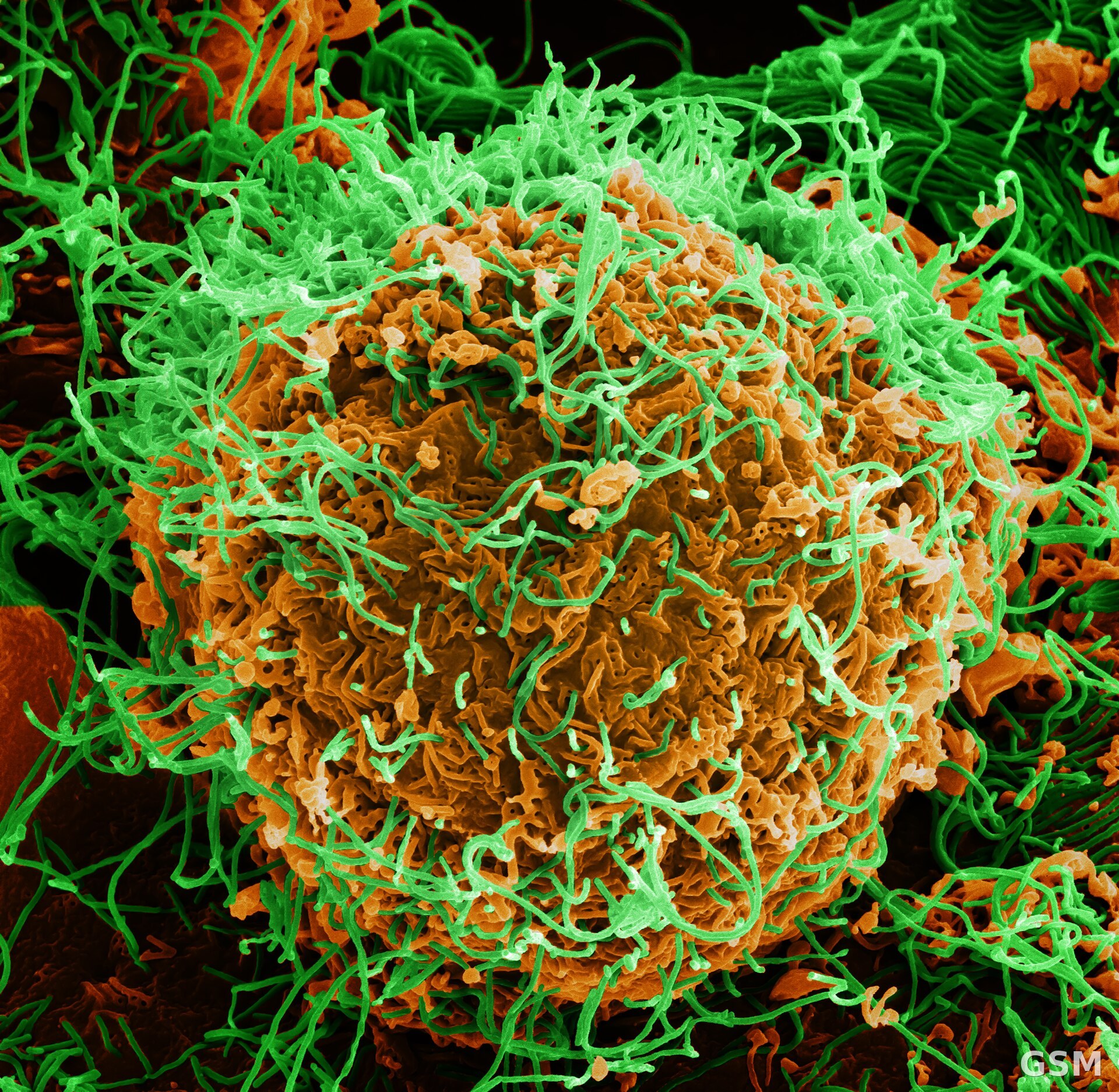
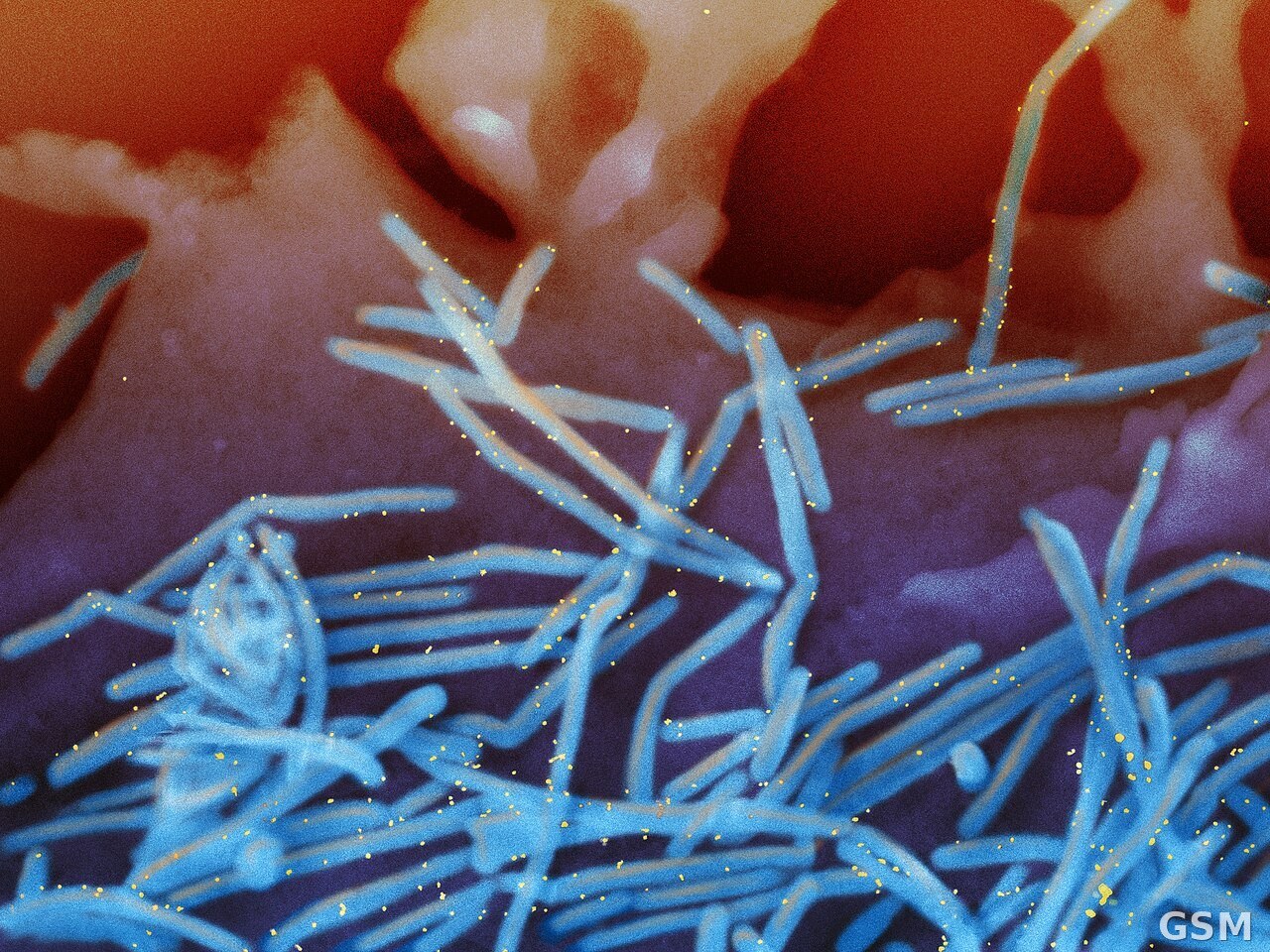
图片来源:图:呼吸道合胞病毒(RSV)扫描电子显微图。图片:美国国家过敏与传染病研究所 NIAID,CC BY 2.0,经 Wikimedia Commons。Photo: Scanning electron micrograph of human respiratory syncytial virus (RSV). Image: National Institute of Allergy and Infectious Diseases (NIAID), CC BY 2.0, via Wikimedia Commons.