加州Anaheim华人夫妇Linh Luu与Kevin Le贩运受保护野生动物获刑:各缓刑3年、各罚1万美元、经手5.11万美元
位于美国加利福尼亚州橙县 Anaheim 的一对夫妇 Linh Luu 与 Kevin Le,10月23日在 Oregon 州 Eugene 的联邦法院认罪,承认违反《莱西法案》(Lacey Act)贩运受保护野生动物。据美国司法部当日发布的消息,法院判处两人各3年缓刑、各罚款1万美元。
据法庭文件与庭上陈述,Luu 与 Le 承认在2019年9月至2021年5月间经手处理了51,100美元款项,协助一名身在越南的个人把野生动物制品非法运入、运出 Oregon 州:运往越南的包括美国黑熊胆与美洲狮骨骼;运入 Oregon 州的包括狮子牙齿、黑犀牛与白犀牛角的切片,以及一张虎皮。
据政府提交的量刑文件,2020年12月,Luu 与 Le 在一处停车场与一名联邦卧底探员见面,收下12,000美元现金作为一片犀牛角的部分预付款,并商讨如何绕开美国银行监管以免非法交易被发现;其后两人各收到近5,000美元电子转账作为犀牛角切片的款项,该切片随后伪装成家居装饰品运入 Oregon 州。检方称,这笔交易被谈成是为建立信任、以便日后做更大的交易。
司法部指出,本案涉及的全部物种都列入《濒危野生动植物种国际贸易公约》(CITES)——美国、越南与另外183个政府均为签约方——无许可证的贸易被禁止,而两名被告没有取得许可证。黑熊与美洲狮是 Oregon 州原生动物,其制品在部分传统亚洲医药需求中被看重;狮、虎与黑、白犀牛同时受《濒危物种法》保护。《莱西法案》是美国最古老的野生动物贩运法律,禁止买卖非法进口或出口的野生动物。
本案由司法部能源与自然资源司首席副助理司法部长 Adam Gustafson、Oregon 区联邦检察官 Scott E. Bradford 与美国鱼类与野生动物管理局(USFWS)执法办公室助理主任 Douglas Ault 宣布。案件由鱼类与野生动物管理局执法办公室调查,国土安全调查局(HSI)与 Oregon 州警察局提供协助;检方律师为该司环境犯罪科高级审判律师 Ryan Connors 与 Oregon 区助理联邦检察官 William McLaren,案号 26-cr-00297(Oregon 区联邦地区法院)。美国鱼类与野生动物管理局执法办公室助理主任 Douglas Ault 表示:「野生动物贩运不是没有受害者的白领犯罪,它是猎杀犀牛、老虎与黑熊等物种背后的资金引擎。」Oregon 区联邦检察官 Scott E. Bradford 表示,其办公室不仅追究猎杀者,也追究让这些市场存活下去的资金经手人。
Anaheim Couple Linh Luu and Kevin Le Sentenced for Trafficking Protected Wildlife: Three Years' Probation and $10,000 Fines Each, $51,100 Processed
Linh Luu and Kevin Le, a husband and wife of Anaheim, in Orange County, California, pleaded guilty on October 23 in federal court in Eugene, Oregon, to violating the Lacey Act by trafficking protected wildlife, the U.S. Department of Justice announced that day. The court sentenced each of them to three years' probation and a $10,000 fine.
According to court documents and statements made in court, Luu and Le admitted that from September 2019 through May 2021, they processed $51,100 in payments to aid an individual in Vietnam to illegally move wildlife items to and from Oregon. The wildlife parts included American black bear gallbladders and cougar bones, all shipped to Vietnam; and lion teeth, segments from black rhinoceros and white rhinoceros horns, and a tiger pelt, all imported to Oregon.
According to a sentencing submission filed by the government, Luu and Le met an undercover federal agent in December 2020 in a parking lot. They accepted $12,000 in cash as a down payment for part of a rhino horn and discussed ways to avoid U.S. banking regulations that could detect illicit transactions. They later each received nearly $5,000 in electronic payments for the horn segment, which was then shipped to Oregon disguised as a household decoration. The sale was discussed as a way to build trust for future, larger deals.
All of the wildlife that had parts trafficked in this case are listed under the Convention on International Trade in Endangered Species of Wild Fauna and Flora (CITES), a treaty that the United States, Vietnam, and 183 other governments have signed to regulate commercial trade in species that are or may become extinct. Trade in listed species is prohibited without a permit, which the defendants did not receive. Black bears and cougars are native to Oregon and are prized by some for use in traditional Asian medicine. Lions, tigers, and black and white rhinoceroses are also protected under the Endangered Species Act. The Lacey Act is the country's oldest wildlife trafficking statute and prohibits, among other things, buying or selling wildlife that was illegally imported or exported.
Principal Deputy Assistant Attorney General Adam Gustafson of the Justice Department's Energy and Natural Resources Division, U.S. Attorney Scott E. Bradford for the District of Oregon, and Assistant Director Douglas Ault of the U.S. Fish and Wildlife Service (USFWS) made the announcement. The USFWS Office of Law Enforcement investigated the case with assistance from Homeland Security Investigations and the Oregon State Police. Senior Trial Attorney Ryan Connors of the division's Environmental Crimes Section and Assistant U.S. Attorney William McLaren for the District of Oregon prosecuted the case, number 26-cr-00297 in the U.S. District Court for the District of Oregon. Wildlife trafficking isn't a victimless, white-collar crime. It's the financial engine behind the slaughter of species like rhinos, tigers, and black bears, Ault said. This case demonstrates that our office will hold accountable not only the poachers, but also the financial facilitators who keep these markets alive, Bradford said.
来源:GSM·美国(原文链接)
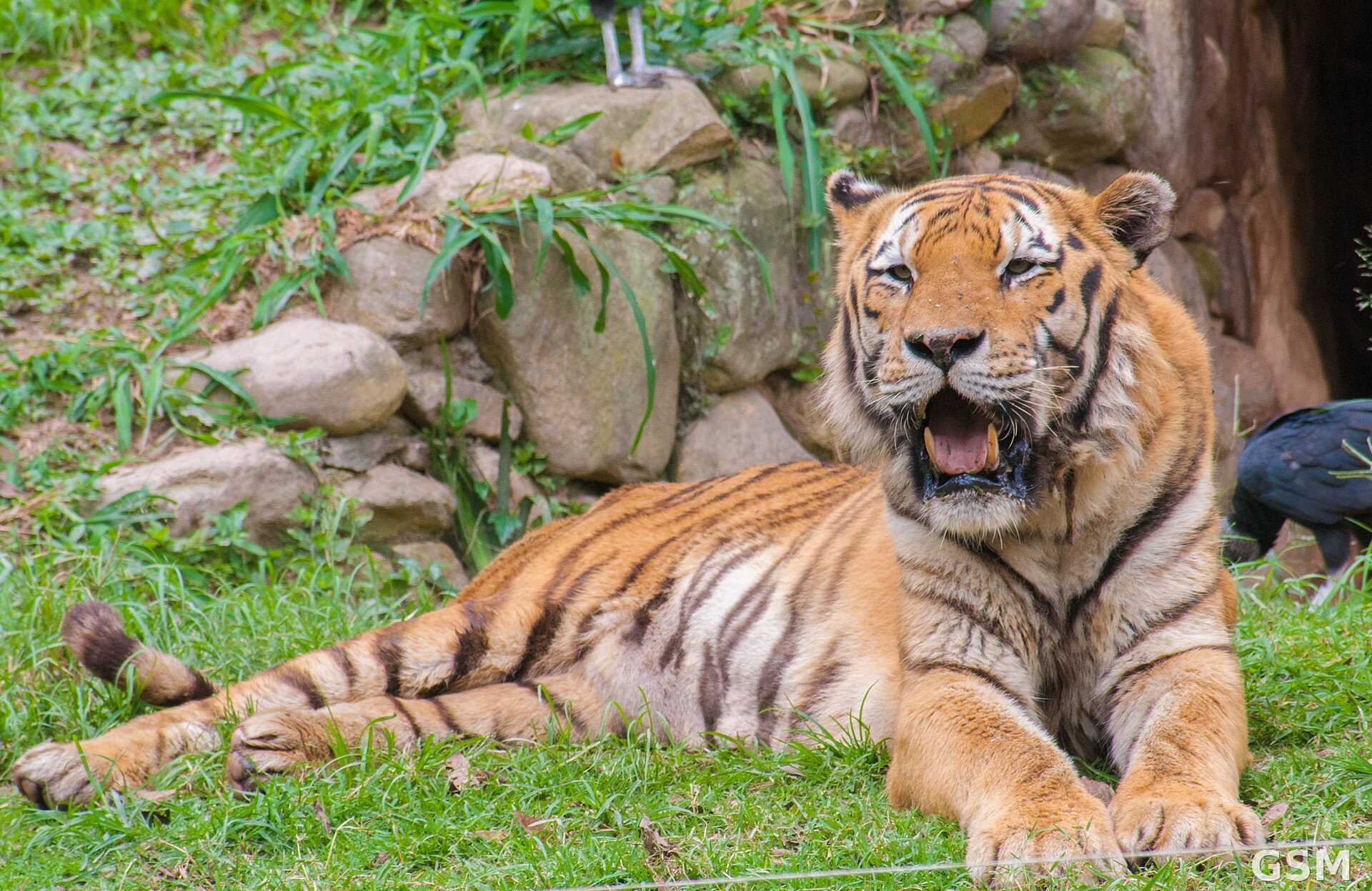
图片来源:老虎资料图(本案涉案制品包括虎皮),Wilfredor 摄,CC0,Wikimedia Commons