卫生与公众服务部发布阿尔茨海默病国家计划2026年更新:四项目标转向预防与早检
Fort Lauderdale——美国卫生与公众服务部(HHS)10月22日宣布《应对阿尔茨海默病及相关失智症国家计划》2026年更新版,统筹全部门行动,指导联邦层面在失智症风险降低、研究与创新、照护以及对患者与家庭的支持方面协同推进。卫生部长 Robert F. Kennedy Jr. 当天在 Florida 州 Fort Lauderdale 的 Broward Health Medical Center 宣布这一更新。
Kennedy 表示,数以百万计的美国家庭已经见识过阿尔茨海默病及相关失智症的沉重代价,HHS 正把国家战略转向预防、更早发现,以及更快开发更好的诊断与治疗手段,在疾病的每个阶段为患者和家庭提供更强支持。
更新版计划更加强调在人的一生中降低失智症风险,并把科学发现转化为更好的预防、诊断、治疗与照护;计划名称中也正式加入「相关失智症」,HHS 称这反映了公众意见,以及不同类型失智症患者与家庭面临的共同挑战。
新计划把原有的六项目标改为四项目标,贯穿大脑健康与失智症的全过程:一是在一生中促进失智症风险降低,增进对风险因素的理解、支持健康老龄化;二是加速发现与创新,推进研究、生物标志物、临床试验与治疗开发;三是推进高价值失智症照护,改善从发现、诊断到治疗、管理和照护衔接的各个环节;四是加强循证服务与对患者和家庭的支持,包括照护者支持、长期服务、居家与社区服务、喘息服务、教育、安全与规划。
联邦医疗保险和医疗补助服务中心(CMS)负责人 Dr. Mehmet Oz 表示,阿尔茨海默病与失智症照护的人力与财政成本正以不可接受的速度增长,更新后的国家计划同时应对这两方面,通过减轻照护者负担、扩大有助于减缓认知衰退的生活方式医学干预等举措,为美国家庭争取更多与亲人相伴的时光。
配套举措方面,HHS 称下属10个机构正在推进新旧举措落实计划重点:食品药品监管局(FDA)当天启动阿尔茨海默病预防加速器,推动预防新方法的开发;卫生高级研究计划局(ARPA-H)宣布总额最高4,880万美元的新一批项目投资,聚焦更早发现与干预,加上该局已有的相关投入,阿尔茨海默病相关项目总额最高达1.553亿美元;社区生活管理局将扩大面向老年司法专业人员的脑健康资源与培训。其他举措还包括扩大卫生中心的失智症培训与筛查、为出现认知衰退的老年人开发行为健康与危机应对资源、研究诊断延误与失智症的经济负担,以及在轻度认知障碍受益人中测试生活方式干预。
HHS 表示,2026年更新版同时列出联邦层面的主要成果与2027年的优先活动;未来一年,HHS 将衡量四项目标各自的进展,并在2027年更新版中报告国家计划的实施成效。
HHS Unveils 2026 Update to National Plan on Alzheimer's: Four Goals Centered on Prevention and Early Detection
FORT LAUDERDALE, Florida — The U.S. Department of Health and Human Services (HHS) on October 22 announced the 2026 Update to the National Plan to Address Alzheimer's Disease and Related Dementias, setting Department-wide actions to guide coordinated federal action on dementia risk reduction, research and innovation, care, and support for people living with dementia and their families. Secretary Robert F. Kennedy Jr. made the announcement at Broward Health Medical Center in Fort Lauderdale, Florida.
Kennedy said millions of American families have seen the devastating toll of Alzheimer's disease and related dementias, and that HHS is shifting the national strategy toward prevention, earlier detection, and faster development of better diagnostics and treatments, giving patients and families stronger support at every stage of the disease.
The updated plan puts greater emphasis on reducing dementia risk across the lifespan and translating scientific discoveries into better prevention, diagnosis, treatment, and care. It also formally recognizes related dementias in the plan's title, reflecting public input and the shared challenges patients and families face across different forms of dementia.
The plan replaces its six historical goals with four goals that follow the course of brain health and dementia across the lifespan: promote dementia risk reduction across the lifespan; accelerate discovery and innovation to prevent and treat Alzheimer's disease and related dementias; advance high-value dementia care across the care journey; and strengthen evidence-based services and supports for people living with dementia and their families, including caregiver support, long-term services, home and community-based services, respite, education, safety, and planning.
Centers for Medicare & Medicaid Services (CMS) Administrator Dr. Mehmet Oz said the human and financial costs of Alzheimer's and dementia care are growing at unacceptable rates, and that the updated national plan addresses both, through initiatives that ease the burden on caregivers and expand access to lifestyle medicine interventions that help slow cognitive decline.
HHS said it is advancing new and ongoing initiatives across 10 agencies to turn the plan's priorities into action. The Food and Drug Administration (FDA) today launched an Alzheimer's Prevention Accelerator to advance the development of new approaches to prevention. The Advanced Research Projects Agency for Health (ARPA-H) announced a collective investment of up to $48.8 million in projects focused on earlier detection and intervention, joining existing ARPA-H efforts on Alzheimer's disease totaling up to $155.3 million. The Administration for Community Living will expand brain health resources and training for elder justice professionals. Other initiatives will expand dementia training and screening in health centers, develop behavioral health and crisis response resources for older adults experiencing cognitive decline, study diagnostic delays and the economic burden of dementia, and test a lifestyle intervention for beneficiaries with mild cognitive impairment.
HHS said the 2026 Update highlights major federal accomplishments and priority activities planned for 2027, and that over the next year it will measure progress toward each goal and report on the National Plan's impacts in the 2027 Update.
发布:GSM·美国(发布链接)
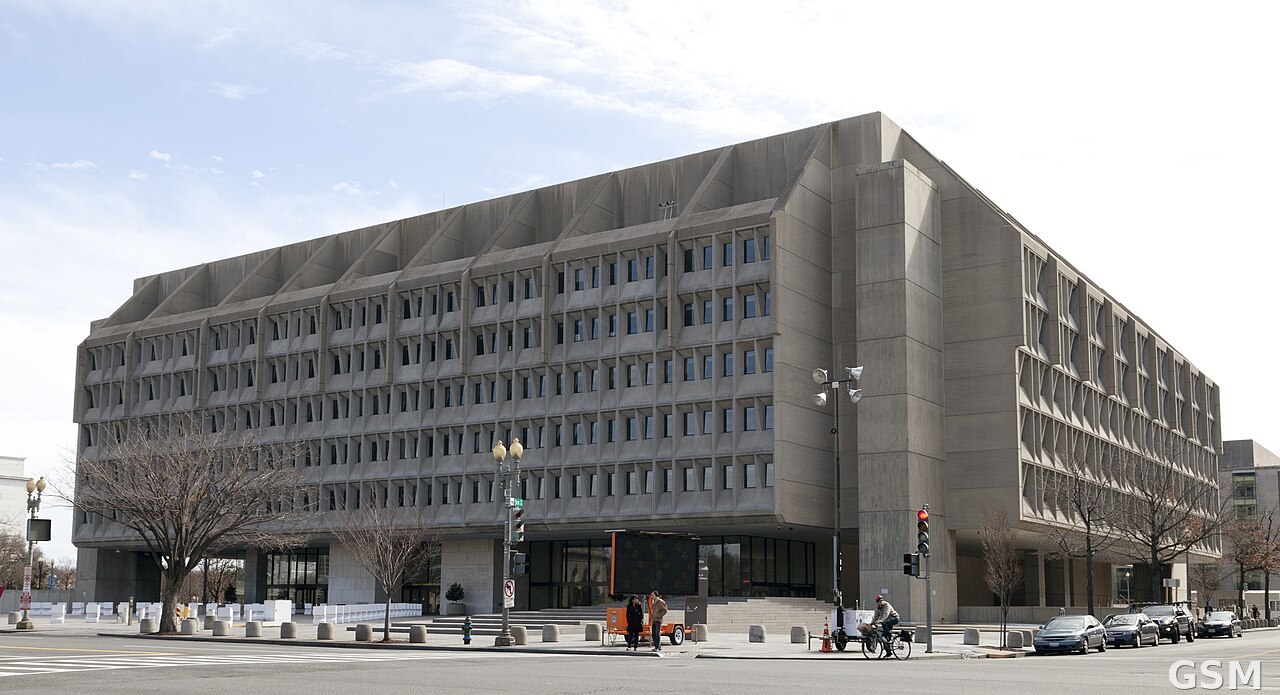
图片来源:图:位于华盛顿的美国卫生与公众服务部(HHS)总部 Hubert H. Humphrey Building。照片:Carol M. Highsmith,美国国会图书馆藏品,公共领域,经 Wikimedia Commons。 / The Hubert H. Humphrey Building, headquarters of the U.S. Department of Health and Human Services in Washington, D.C. Photo: Carol M. Highsmith, Library of Congress collection, public domain, via Wikimedia Commons.
GSM Global · 本篇英文版 English edition of this story