FDA发布婴幼儿食品镉限量草案:水果蔬菜类行动限值10 ppb,公开征求意见至明年1月21日

美国华盛顿讯:美国食品药品监管局(FDA)10月22日发布指南草案,为面向两岁以下婴幼儿的加工食品设定重金属镉的行动限值(action levels),即日起公开征求意见,意见提交截止日期为2027年1月21日,案卷号FDA-2025-D-4023。这是FDA「Closer to Zero」计划的最新一步,该计划旨在逐步把婴幼儿食品中的铅、砷、镉、汞等污染物降至尽可能低的水平。
草案覆盖罐装、袋装、盒装等包装加工食品,包括即食泥糊类食品与干婴儿谷物,不适用于原料农产品、家庭自制食品、零食类食品、婴儿配方奶粉及包括幼儿饮品在内的饮料。具体限值为:水果、蔬菜(单一成分胡萝卜除外)与混合食品(包括谷物与肉类混合)10 ppb(十亿分之十);酸奶、布丁与蛋奶冻20 ppb;单一成分胡萝卜25 ppb;单一成分肉类25 ppb;干婴儿谷物45 ppb。FDA表示,这些限值是行业在采取控制措施减少镉含量后可以达到的水平;达到或超过行动限值的食品,可能被FDA认定为《联邦食品、药品和化妆品法》所指的掺假食品。
FDA指出,镉存在于食品生长、饲养与加工的环境中,可经植物吸收与动物摄入进入食物链,无法从食品供应中完全去除;人体排出镉的速度很慢,多年低剂量摄入会在肾脏与肝脏等部位累积,长期接触与骨骼脱矿化、肾脏与生殖功能损害等健康影响有关。FDA同时表示,这份指南的行动限值不是用来指导消费者选购食品的,建议家长与照护者给孩子提供涵盖蔬菜、水果、谷物、奶制品与蛋白质等各大类、多样且营养丰富的饮食。此前,FDA已于2025年1月发布婴幼儿加工食品铅行动限值的最终指南。
FDA Drafts Cadmium Limits for Baby Foods: 10 ppb Action Level for Fruits and Vegetables, Comments Open Through Jan. 21
Washington: The U.S. Food and Drug Administration (FDA) on October 22 issued draft guidance setting action levels for cadmium in processed food intended for babies and young children under two years of age. Public comments are open through January 21, 2027, under docket FDA-2025-D-4023. The draft is the latest step in the FDA's Closer to Zero initiative, which aims to reduce contaminants including lead, arsenic, cadmium and mercury in foods eaten by babies and young children to as low as possible over time.
The draft covers packaged processed foods in jars, pouches, tubs or boxes, including ready-to-eat purees and dry infant cereals. It does not apply to raw agricultural commodities, homemade foods, snack foods, infant formula, or beverages including toddler drinks. The proposed action levels are: 10 parts per billion (ppb) for fruits, vegetables (excluding single-ingredient carrots) and mixtures, including grain- and meat-based mixtures; 20 ppb for yogurts, puddings and custards; 25 ppb for single-ingredient carrots; 25 ppb for single-ingredient meats; and 45 ppb for dry infant cereals. The FDA said the levels are achievable when industry takes control measures to minimize cadmium, and that food at or above an action level may be regarded by the FDA as adulterated under the Federal Food, Drug, and Cosmetic Act.
The FDA notes that cadmium enters the food supply from the environment where foods are grown, raised or processed, taken up by plants and ingested by animals, and cannot be completely removed. The body eliminates cadmium slowly, and years of low-level exposure can lead to accumulation in the kidneys and liver; prolonged exposure is associated with bone demineralization and kidney and reproductive dysfunction. The agency said the action levels are not intended to direct consumers' food choices, and recommends that parents and caregivers feed children a varied, nutrient-dense diet across the main food groups. The FDA previously issued final action levels for lead in processed baby foods in January 2025.
发布:GSM·美国(发布链接)
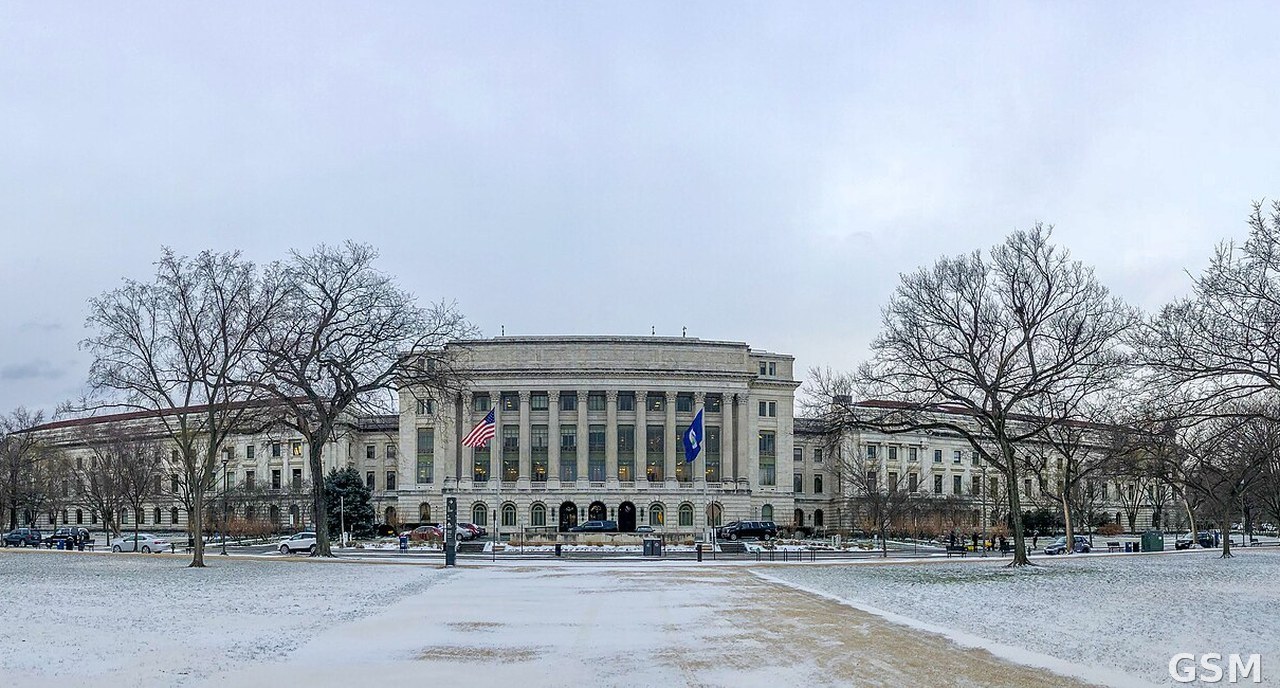
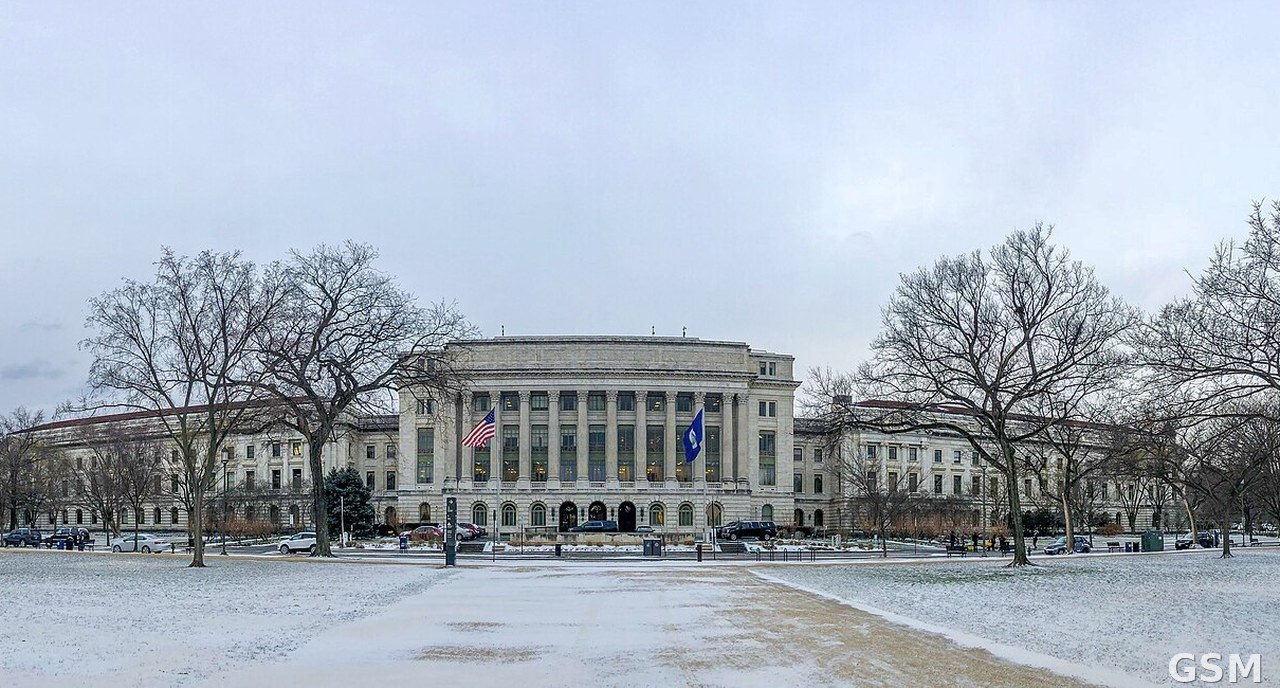
图片来源:图:美国食品药品监管局FDA位于马里兰州Silver Spring的White Oak园区大楼(资料图)。美国食品药品监管局官方照片,公共领域,经维基共享资源。Photo: An FDA building at the White Oak campus in Silver Spring, Maryland (file photo). Official U.S. Food and Drug Administration photo, public domain, via Wikimedia Commons.
GSM Global · 本篇英文版 English edition of this story