基因研究证实夏威夷原住民与复活节岛人血缘最近:首批定居者13世纪乘双体独木舟跨洋7100公里
据路透社10月20日报道,一项发表在《科学》期刊上的基因研究显示,夏威夷原住民在遗传上与复活节岛(又称拉帕努伊岛)居民的亲缘关系最近。研究由斯坦福大学计算遗传学家亚历山大·约阿尼迪斯与加州大学圣迭戈分校基因组科学家基奥鲁·福克斯等共同领导,团队通过全基因组分析,比较不同岛屿居民之间完全匹配的DNA片段,重建了数千棵家族谱系树,其中61%将夏威夷与拉帕努伊配在一起。
研究指出,复活节岛的首批定居者于13世纪自法属波利尼西亚的曼加雷瓦岛跨海2400多公里抵达该岛,其中一支其后又在同一世纪乘双体帆船独木舟横渡约7100公里(4400多英里),抵达北半球唯一的波利尼西亚岛屿夏威夷,成为群岛的首批居民。研究人员坦言,起初对这一结果也感到难以置信,为此用四种方法反复核验。
这一发现改写了学界对波利尼西亚人跨洋迁徙路线与先后顺序的认识,也为古代航海者的远洋能力提供了基因层面的确证。
Genetic Study Finds Native Hawaiians' Closest Kin on Easter Island: First Settlers Crossed 7,100 km by Double-Hulled Canoe in the 1200s
A genetic study published in Science has found that Native Hawaiians and the people of Easter Island (Rapa Nui) are each other's closest relatives among Pacific peoples, Reuters reported. The research, led by population geneticist John Ioannidis with Fox and colleagues, matched 61 percent of pairs in reconstructed family trees across the two populations, a closeness the team verified with four independent methods.
The study concludes the first settlers reached the region in the 13th century, sailing some 7,100 kilometers (about 4,400 miles) by double-hulled voyaging canoe — including a leg of about 2,400 kilometers between Mangareva and Easter Island. The findings add genetic evidence to the long-studied settlement of remote Polynesia, showing the Hawaiian and Rapa Nui lineages share a recent common origin before dispersing across the far Pacific.
发布:GSM·美国(发布链接)
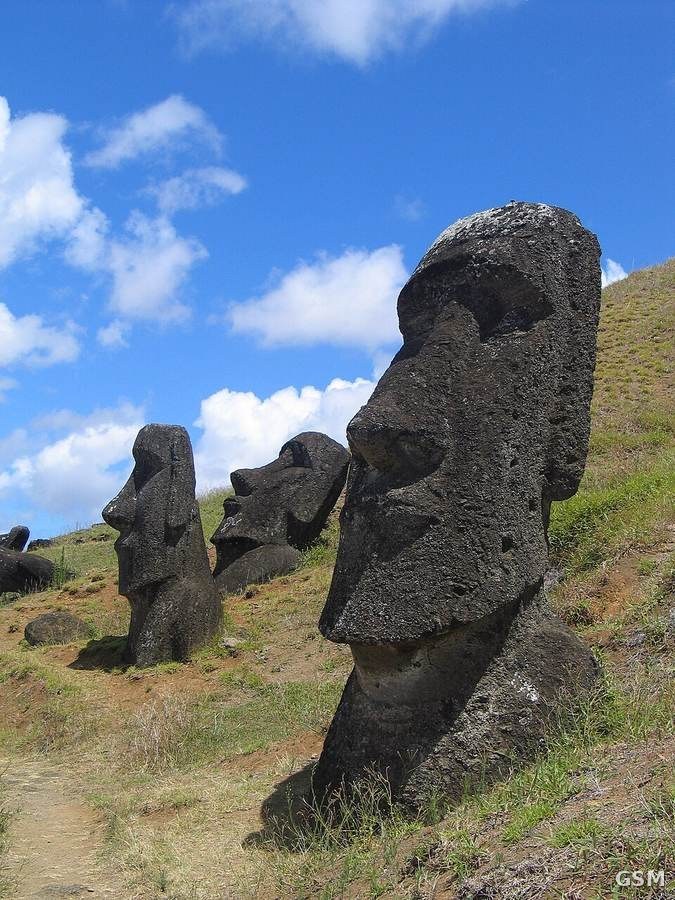
图片来源:复活节岛摩艾石像(图片:Wikimedia Commons,公有领域,作者 Aurbina)/ Moai statues on Easter Island (Photo: Wikimedia Commons, public domain, by Aurbina)
GSM Global · 本篇英文版 English edition of this story