环保署纪念《资源保护与回收法》50周年:推出「常识性改革」精简废物监管、加速污染清理
华盛顿——美国环境保护署(EPA)10月21日宣布,在《资源保护与回收法》(RCRA)签署成为法律50周年之际推出「常识性RCRA改革」(Common Sense RCRA Reform),通过改革许可流程、运用新技术与加速污染清理,精简并现代化联邦废物监管。RCRA于1976年签署,是美国管理固体废物与危险废物的主要联邦法律,监管危险废物从产生、运输、处理、储存到处置的全过程。
环保署署长 Lee Zeldin 说:「本月,特朗普政府的环保署自豪地纪念《资源保护与回收法》50周年——我们重新聚焦工作,在保护美国民众的同时,通过精简和现代化法规提振经济。」他说:「我们正在确保RCRA现代、高效,并具有保护性。」
环保署称,改革围绕六个方向推进:减轻许可负担以降低生活成本(Reduce)、回收废物流中的关键矿产等材料(Recover)、为特殊废物场景提供方案(Respond)、以创新技术更新废物管理(Revitalize)、在保住健康与环境保护的同时支持经济增长(Retain)、加速污染场地清理(Renew)。环保署表示,除已在推进的多项行动外,还有25项以上行动正在研拟。
已推出的动作包括:今年3月5日提出危险废物追踪全面电子化(e-Manifest)、取消纸质申报报告的提案;3月23日提出允许将废旧轮胎用作燃料,以清理全国数以百万计的废弃轮胎;近期敲定针对元素汞创新处理技术的差异化许可。据环保署数据,RCRA许可体系保护生活在危险废物设施一英里范围内的530万居民,覆盖1,300家获许可设施的6,700个危险废物单元;该法每年监管29.6亿吨固体、工业与危险废物,约有4,000处清理在进行之中;全国约6万家设施每年产生3,000万至4,000万吨危险废物。其地下储罐计划已清理逾53万起石油泄漏,超过已知泄漏总数的90%,全国约有53.4万个地下储罐;RCRA实施以来,已有近1,900万英亩受污染土地得到恢复。
EPA Marks 50 Years of RCRA With 'Common Sense' Reforms to Modernize Waste Rules
WASHINGTON — The U.S. Environmental Protection Agency (EPA) on October 21 announced a package of "Common Sense RCRA Reform" measures to streamline and modernize federal waste regulation through permitting reform, new technology, and faster cleanups, as the agency marks the 50th anniversary of the Resource Conservation and Recovery Act (RCRA). Signed into law in 1976, RCRA is the principal federal law governing solid and hazardous waste, covering hazardous waste from generation and transport through treatment, storage, and disposal.
"This month, the Trump EPA is proud to mark the 50th anniversary of the Resource Conservation and Recovery Act, by refocusing our efforts on ensuring protections for Americans while boosting the economy by streamlining and modernizing regulations," EPA Administrator Lee Zeldin said. "We're ensuring RCRA is modern, efficient, and protective."
The agency said the reforms are organized around six goals: Reduce permitting burdens to lower the cost of living; Recover critical minerals and other materials from waste streams; Respond with solutions for specialized waste scenarios; Revitalize waste management with innovative technologies; Retain health and environmental protections while supporting growth; and Renew momentum on cleanups. EPA said more than 25 additional actions are in development beyond those already underway.
Steps already taken include a March 5 proposal to move hazardous-waste tracking fully electronic through e-Manifest and end paper reporting, a March 23 proposal to allow scrap tires to be used as fuel to help clear millions of discarded tires nationwide, and a recently finalized variance for an innovative elemental mercury treatment technology. According to EPA, the RCRA permitting system protects 5.3 million residents living within one mile of hazardous waste facilities, covering 6,700 hazardous waste units at 1,300 permitted facilities; the law governs 2.96 billion tons of solid, industrial, and hazardous waste each year, with about 4,000 cleanups underway; some 60,000 facilities generate 30 to 40 million tons of hazardous waste annually. Its underground storage tank program has cleaned up more than 530,000 petroleum releases — over 90 percent of known releases — out of roughly 534,000 underground storage tanks nationwide, and nearly 19 million acres of contaminated land have been restored under RCRA.
发布:GSM·美国(发布链接)
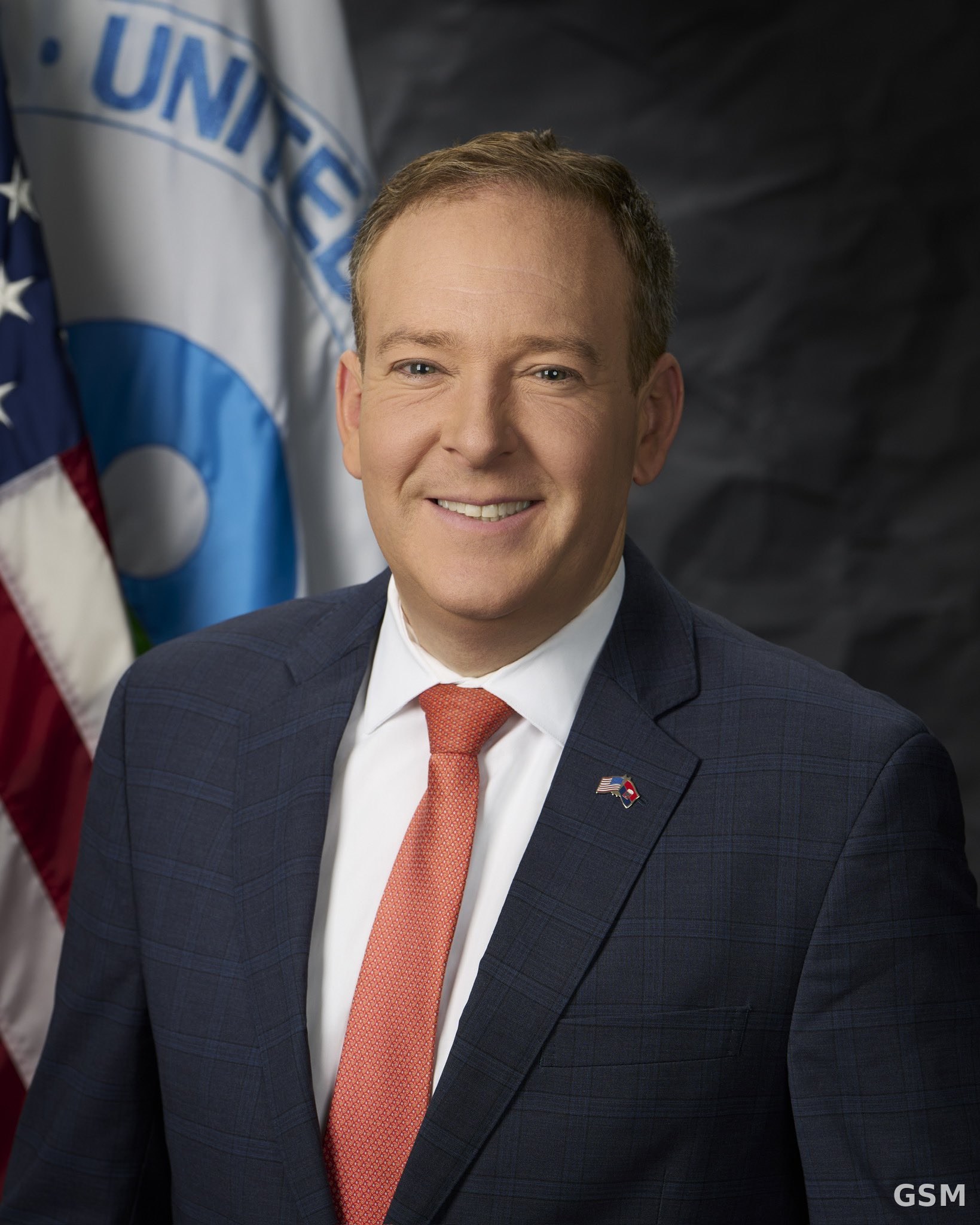
图片来源:图:美国环境保护署署长 Lee Zeldin 官方肖像。照片:美国环境保护署,公共领域,经 Wikimedia Commons。 / EPA Administrator Lee Zeldin, official portrait. Photo: U.S. Environmental Protection Agency, public domain, via Wikimedia Commons.
GSM Global · 本篇英文版 English edition of this story