跟进:中国裁军大使李驰江在联大第一委员会谈外空安全:防止外空军备竞赛和武器化是最紧迫任务,提出四点主张
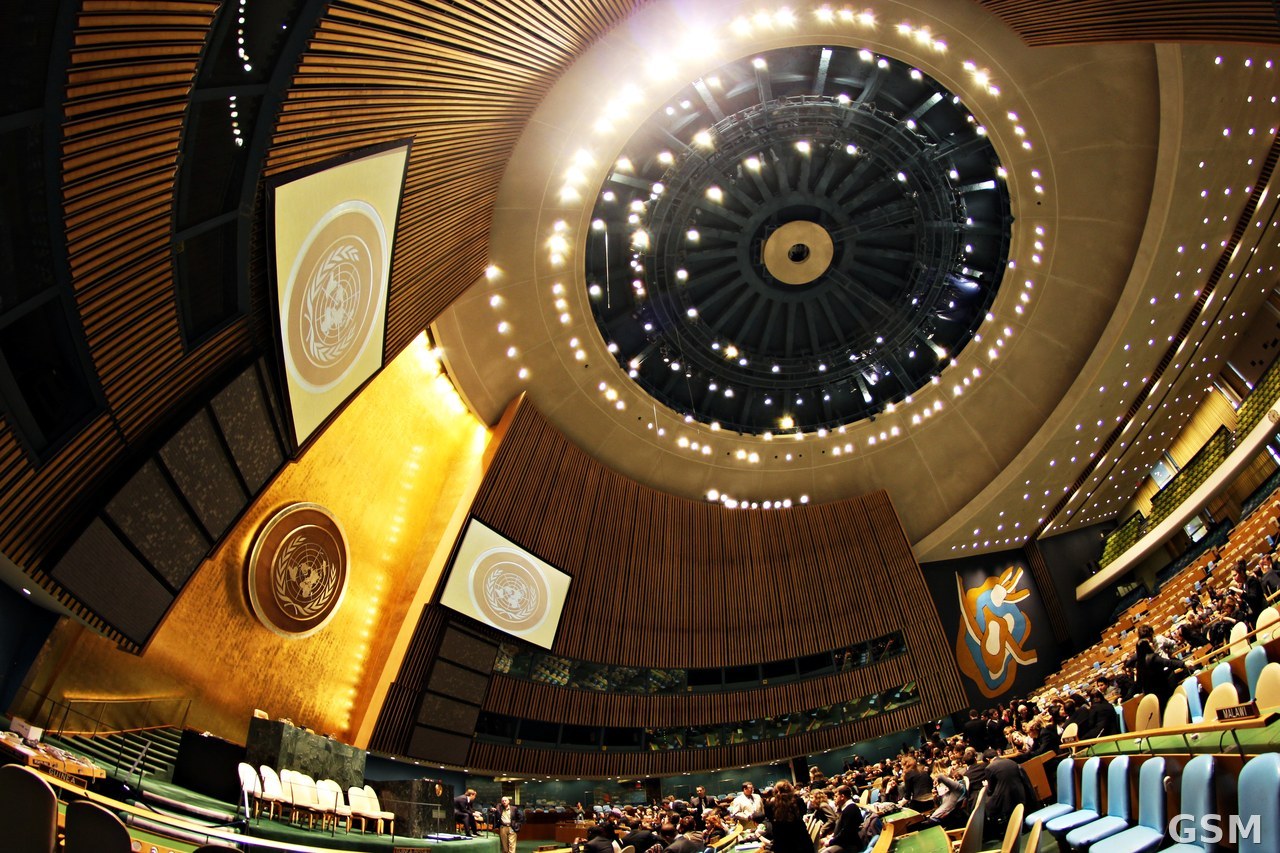
联合国——据新华社报道,中国裁军事务大使李驰江10月21日在联合国大会第一委员会关于外空问题作专题发言,指出防止外空军备竞赛和武器化是外空安全治理的最紧迫任务。
李驰江说,当前,外空军备竞赛与武器化已成为现实威胁。美国将外空界定为「作战疆域」,公开承认在轨部署太空控制武器,向国际社会释放出极其危险的信号。大多数国家维护外空安全愿望与一国称霸外空的矛盾空前尖锐,这是外空安全面临的最大挑战。他提出四点主张:
第一,防止外空军备竞赛和武器化是外空安全治理的最紧迫任务。不解决这个根本问题,外空领域的其他规则都将受到冲击。各国应坚持「外空战打不赢也打不得」理念,放弃「主导外空」战略,不在外空搞「大国竞争」和阵营对抗。
第二,加强谈判缔结外空军控条约的国际努力。事实证明,自愿性规则无法阻止外空武器化。中俄「防止在外空放置武器、对外空物体使用或威胁使用武力条约」草案是当前唯一的外空军控法律文书建议,其核心条款能够从根源上遏制外空武器化、战场化。中方欢迎各方讨论完善该草案文本。
第三,坚持多边协商,反对双重标准。外空规则应由各国共同制定,不能搞「小圈子」、排他性安排。应积极推进和平利用外空国际合作。一边放任在轨部署武器的行为,一边搞「选择性军控」,无助于维护外空和平与安全。
第四,重视新兴问题治理。深入研究商业航天介入他国武装冲突带来的法律争议和现实问题,在广泛磋商基础上探寻可行的治理方案。
本站10月16日曾报道,李驰江同日在联大第一委员会就核问题作专题发言,呼吁国际社会携手应对核领域风险挑战,并就中国核政策作出阐明。
关联:中国裁军大使李驰江在联大第一委员会阐述核政策:呼吁携手应对核领域风险挑战
China's Disarmament Ambassador Li Chijiang at UN First Committee: Preventing an Arms Race and Weaponisation in Outer Space Is the Most Urgent Task
UNITED NATIONS — China's ambassador for disarmament affairs, Li Chijiang, delivered a thematic statement on outer space at the First Committee of the UN General Assembly on October 21, saying that preventing an arms race and weaponisation in outer space is the most urgent task in outer-space security governance, Xinhua reported.
Li said an outer-space arms race and weaponisation have become a real threat. The United States has defined outer space as a "warfighting domain" and openly acknowledged deploying space-control weapons in orbit, sending an extremely dangerous signal to the international community, he said, adding that the contradiction between most countries' desire to safeguard outer-space security and one country's pursuit of dominance in outer space is unprecedentedly sharp, and is the biggest challenge facing outer-space security. He put forward four Chinese proposals.
First, preventing an arms race and weaponisation in outer space is the most urgent task. Without solving this fundamental problem, other rules in the outer-space field will be undermined, he said. Countries should uphold the notion that "a space war cannot be won and must never be fought," abandon strategies of "dominating outer space," and refrain from "great-power competition" and bloc confrontation in outer space.
Second, strengthen international efforts to negotiate and conclude an outer-space arms control treaty. Practice has proved that voluntary rules cannot stop weaponisation, Li said. The China-Russia draft treaty on the prevention of the placement of weapons in outer space and of the threat or use of force against outer-space objects is currently the only proposed legal instrument on outer-space arms control, and its core provisions can curb weaponisation and the turning of outer space into a battlefield at the root, he said, adding that China welcomes discussion by all parties to improve the draft text.
Third, uphold multilateral consultation and oppose double standards. Outer-space rules should be made jointly by all countries, not through "small circles" or exclusive arrangements, and international cooperation in the peaceful use of outer space should be actively promoted, he said. Allowing the in-orbit deployment of weapons while practising "selective arms control" will not help maintain peace and security in outer space.
Fourth, attach importance to governing emerging issues. The legal disputes and practical problems arising from commercial space activities becoming involved in armed conflicts of other countries should be studied in depth, and feasible governance solutions explored on the basis of broad consultations, he said.
GSM reported on October 16 that Li delivered a thematic statement on nuclear issues at the same committee that day, calling on the international community to jointly address risks and challenges in the nuclear field and setting out China's nuclear policy.
发布:GSM·美国(发布链接)
图片来源:Wikimedia Commons · Basil D Soufi · CC BY-SA 3.0
GSM Global · 本篇英文版 English edition of this story
- 2026-10-16 01:47中国裁军大使李驰江在联大第一委员会发言:核武器用不得、核战争打不得 反对歪曲抹黑中国核政策
- 2026-10-21 20:19跟进:中国裁军大使李驰江在联大第一委员会谈外空安全:防止外空军备竞赛和武器化是最紧迫任务,提出四点主张本篇