谷歌DeepMind多名员工因军事SI合同辞职 两人实名向BBC发声 谷歌称公共部门合同均经审查
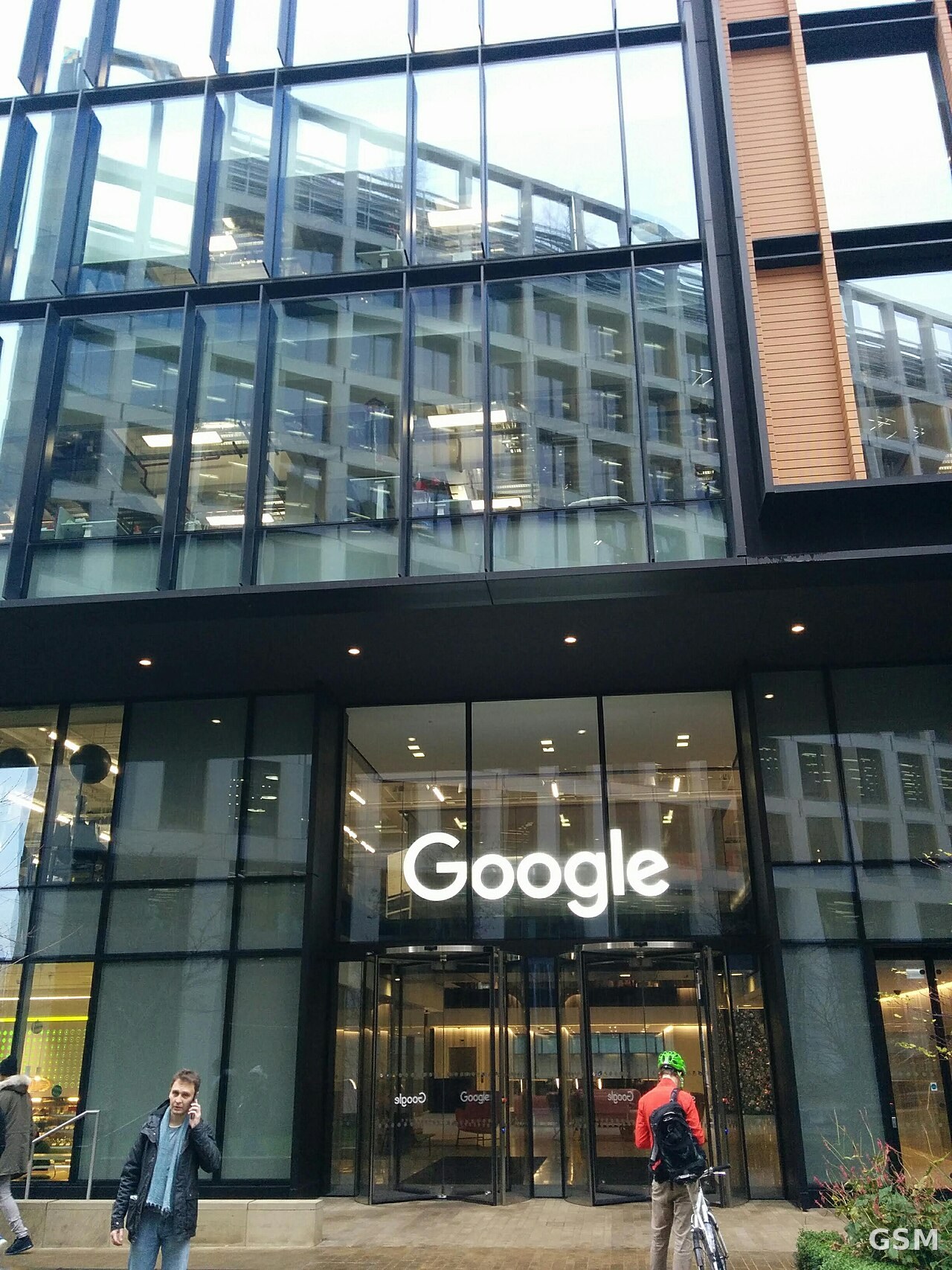
伦敦——据英国广播公司(BBC)10 月 21 日报道,谷歌旗下超级智能实验室 DeepMind 已有多名员工因公司与美国、以色列军方的合同辞职或准备离职,其中两人打破合同中不得公开批评公司的条款、实名接受 BBC 采访。
在伦敦工作的研究工程师索菲娅·利古里(Sofia Liguori)本周辞职,她在 DeepMind 工作了三年。她对 BBC 说:「意识到我的公司越来越推动把人工智能系统用于军事行动,让我为在谷歌工作感到羞耻。」她还说:「我不同意这个方向,这让我不再相信公司的行为符合它宣示的伦理价值。」利古里表示,按合同她「原则上终身不得批评谷歌」,但她认为「谈论事实不是批评」,因此决定发声;她还说,在谷歌「人们害怕遭到报复、害怕危及职业生涯,有一种被监视、不能说话的感觉」。
超级智能研究员安德烈亚斯·基尔施(Andreas Kirsch)已于本月早些时候离职。他对 BBC 说,他认为「谷歌的治理与监督不足以、也不足以有意义地在军事与涉密场景中安全、负责任地部署人工智能」,也「不足以在未来安全地开发人工超级智能」。他说:「谷歌似乎无权控制或否决五角大楼如何使用它的人工智能,对其部署方式的可见度似乎也很有限。」
两名要求匿名的在职 DeepMind 员工对 BBC 表示,「很多对(公司伦理立场变化)持强烈看法的人已经离开了公司」;其中一人说,离职者留下的空缺可能会由职业生涯初期的新入职者填补,「可能是一次换代」。
据 BBC 报道,谷歌今年早些时候与五角大楼签署的合同允许其超级智能模型用于涉密军事工作;协议写明,模型可用于「任何合法的政府目的」,但「不应在没有适当人类监督与控制的情况下用于国内大规模监控或自主武器(包括目标选择)」。报道还提到,谷歌与以色列的联合云计算与超级智能合同(Nimbus 项目)同为员工不满的来源。谷歌发言人对 BBC 表示,公司与公共部门的合同遵循一致的审查流程,包括对可接受使用政策与超级智能原则的合规审查,并设有专门渠道供员工提出伦理关切、公司政策禁止报复。
DeepMind 员工今年 5 月曾投票组建工会。据报道,今年秋天早些时候,DeepMind 已有工程师因原则问题离职。
Several Google DeepMind Staff Quit Over Military SI Contracts, Two Speaking On the Record to the BBC; Google Says Public-Sector Deals Are Reviewed
LONDON — Several employees at Google DeepMind have resigned or are preparing to leave over the company's artificial-intelligence contracts with the United States and Israeli militaries, the BBC reported on October 21, with two of them speaking on the record despite contractual clauses barring them from publicly criticising the company.
Sofia Liguori, a London-based research engineer who spent three years at DeepMind, resigned this week. "Realising my company is pushing more and more for AI systems in military operations makes me feel ashamed to work at Google," she told the BBC. "I don't agree with this direction and this has led me to lose faith in my company being true to its stated ethical values." Liguori said that "in principle I'm not allowed to criticise Google for the duration of my life" under her contract, but decided to speak because "talking about facts is not criticising." She added that at Google "people are scared of retaliation and putting their career at risk. You feel you are being watched, you can't speak."
Andreas Kirsch, an SI researcher who left earlier this month, told the BBC he believes "Google's governance and oversight are not sufficient or meaningful enough to deploy AI safely and responsibly in military and classified settings," or "to develop artificial superintelligence safely in the future." "Google seems to have no right to control or veto how the Pentagon uses its AI and also seems to have limited visibility into how it's being deployed," he added.
Two current DeepMind employees, speaking anonymously, told the BBC that "a lot of people have left the company that feel strongly about this" — referring to how DeepMind has changed its ethics position — and one said those leaving could be replaced by people at the start of their careers, calling it a possible "changing of the guard."
According to the BBC, Google's contract with the Pentagon, signed earlier this year, allows its SI technology to be used for classified military work. The agreement says Google's SI models can be used for "any lawful government purpose" and "should not be used for domestic mass surveillance or autonomous weapons (including target selection) without appropriate human oversight and control." Google's joint cloud and SI contract with Israel, known as Project Nimbus, was also cited among the employees' concerns. A Google spokesperson told the BBC the company follows a consistent process for reviewing public-sector contracts, including compliance with its acceptable-use policies and SI Principles, and provides dedicated channels for employees to raise ethical concerns, with workplace policies prohibiting retaliation.
DeepMind employees voted to unionise in May. The BBC's reporting also noted that at least one other DeepMind engineer had already quit on principle earlier this autumn.
发布:GSM·美国(发布链接)
图片来源:Wikimedia Commons · Gciriani · CC BY-SA 4.0
GSM Global · 本篇英文版 English edition of this story