跟进:农业部继续分阶段重开南部边境口岸 Columbus 10月26日恢复自墨西哥进口牛只
美国农业部(USDA)动植物卫生检验局(APHIS)10月20日发布项目更新,继续分阶段重开美国南部边境口岸、恢复自墨西哥进口牲畜。按更新,位于 New Mexico 州的 Columbus 口岸将于10月26日重新对牛只进口开放;这一轮重开以加强防范新世界螺旋蝇的措施为支撑,农业部同时持续评估各口岸的动物健康状况。
农业部表示,若安全贸易条件持续成立、且所需检验安排与基础设施全部到位,下一个排定重开牛只进口的口岸将是 Arizona 州的 Nogales,日期为11月30日。农业部将继续评估其他口岸的条件,后续重开决定取决于动物健康风险、运营准备情况与现有缓解措施的持续有效性。
马匹进口同日恢复:10月26日,New Mexico 州的 Santa Teresa 口岸将恢复经陆路自墨西哥进口马匹。按 APHIS 更新后的规程,自墨西哥进口的马匹须在出口前接受严格的检验与处理,入境美国后隔离7天才可放行;经 Santa Teresa 入境的马匹将在边境美国一侧、经农业部批准的设施内完成隔离,该口岸墨西哥一侧的隔离设施目前保持关闭。农业部表示,对马匹进口采取审慎、分步的做法:先在 Santa Teresa 检验更新后的防护措施是否切实有效,再考虑扩展到其他获准口岸与隔离设施,包括位于墨西哥境内、经农业部批准的设施。
这轮分阶段重开的背景,是新世界螺旋蝇自墨西哥向北扩散。据路透社报道,农业部表示,今年6月以来美国已确认56例新世界螺旋蝇病例,其中5例仍处于活跃状态;美国此前已暂停自墨西哥进口牲畜以阻挡这种啃食牲畜活体组织的寄生虫,南部口岸自2025年5月起陆续关闭,今年8月先重开 Douglas 口岸、9月重开 Santa Teresa 的牛只贸易。墨西哥牛进口受阻期间,美国碎牛肉价格曾被推至历史高位。农业部在更新中指引,关于新世界螺旋蝇与分阶段重开的最新信息可查 Screwworm.gov。
本站10月18日曾报道,农业部已投入7.5亿美元在德克萨斯州 Edinburg 建设不育蝇工厂、以生物手段压制螺旋蝇种群,该厂预计2027年春季投产:新世界螺旋蝇重现美国南部 农业部投7.5亿美元在德州Edinburg建不育蝇工厂 2027年春投产
据路透社报道,农业部表示,自6月以来已在美国确认56例新世界螺旋蝇病例,其中5例仍处于活跃状态。去年暂停墨西哥活牛进口以阻挡这种食肉寄生虫后,美国碎牛肉价格今年被推至纪录高位,也加剧了选民对食品价格的担忧。此前,农业部已于8月在亚利桑那州 Douglas 口岸、9月在新墨西哥州 Santa Teresa 口岸恢复了牲畜贸易。
Follow-Up: USDA Continues Phased Reopening of Southern Border Ports, With Columbus, New Mexico Resuming Cattle Imports From Mexico on October 26
The U.S. Department of Agriculture's Animal and Plant Health Inspection Service (APHIS) said in a program update on October 20 that it is continuing its phased reopening of southern border ports for livestock imports from Mexico. Under the update, the Columbus, New Mexico, port of entry will reopen to cattle imports on October 26, supported by enhanced safeguards against New World screwworm and ongoing evaluations of animal health conditions.
If conditions continue to support safe trade and all required inspection arrangements and infrastructure are in place, the next port scheduled to reopen to cattle imports will be Nogales, Arizona, on November 30, USDA said. The department said it will continue to assess conditions at additional ports, with further reopening decisions based on animal health risks, operational readiness, and the continued effectiveness of mitigation measures.
Equine imports resume the same day: on October 26, APHIS will resume the importation of equines from Mexico via land crossing through the Santa Teresa, New Mexico, port of entry. Under APHIS' updated protocols, horses and other equines imported from Mexico will undergo a rigorous inspection and treatment process prior to export, followed by a seven-day quarantine before being released into the United States. Equines entering through Santa Teresa will complete quarantine at a USDA-approved facility on the U.S. side of the border, while quarantine facilities on the Mexican side of that port remain closed at this time. USDA said it is taking a measured approach: beginning operations at Santa Teresa will let the agency evaluate whether the updated safeguards are working as intended before expanding to other approved ports and quarantine facilities, including USDA-approved facilities in Mexico.
The phased reopening comes as New World screwworm spreads northward through Mexico. According to Reuters, USDA said it has confirmed 56 U.S. screwworm cases since June, five of them active; the United States halted livestock shipments from Mexico last year to keep out the flesh-eating parasite, southern ports were closed from May 2025, and cattle trade resumed at Douglas, Arizona, in August and at Santa Teresa, New Mexico, in September. The block on Mexican cattle helped push U.S. ground beef prices to record highs this year. USDA directed readers to Screwworm.gov for the latest information on New World screwworm and the phased reopening.
GSM reported on October 18 that USDA is investing $750 million in a sterile fly facility in Edinburg, Texas, to suppress the screwworm population, with production expected to begin in spring 2027: New World Screwworm Returns to the Southern U.S. as USDA Builds $750 Million Sterile Fly Plant in Edinburg, Texas
According to Reuters, USDA says it has confirmed 56 U.S. screwworm cases since June, five of which are active. Last year's halt to Mexican cattle imports, imposed to keep out the flesh-eating New World screwworm, helped push U.S. ground beef prices to record highs this year, adding to voter concerns about food affordability. USDA previously resumed livestock trade at Douglas, Arizona, in August and at Santa Teresa, New Mexico, in September.
来源:GSM·美国(原文链接)
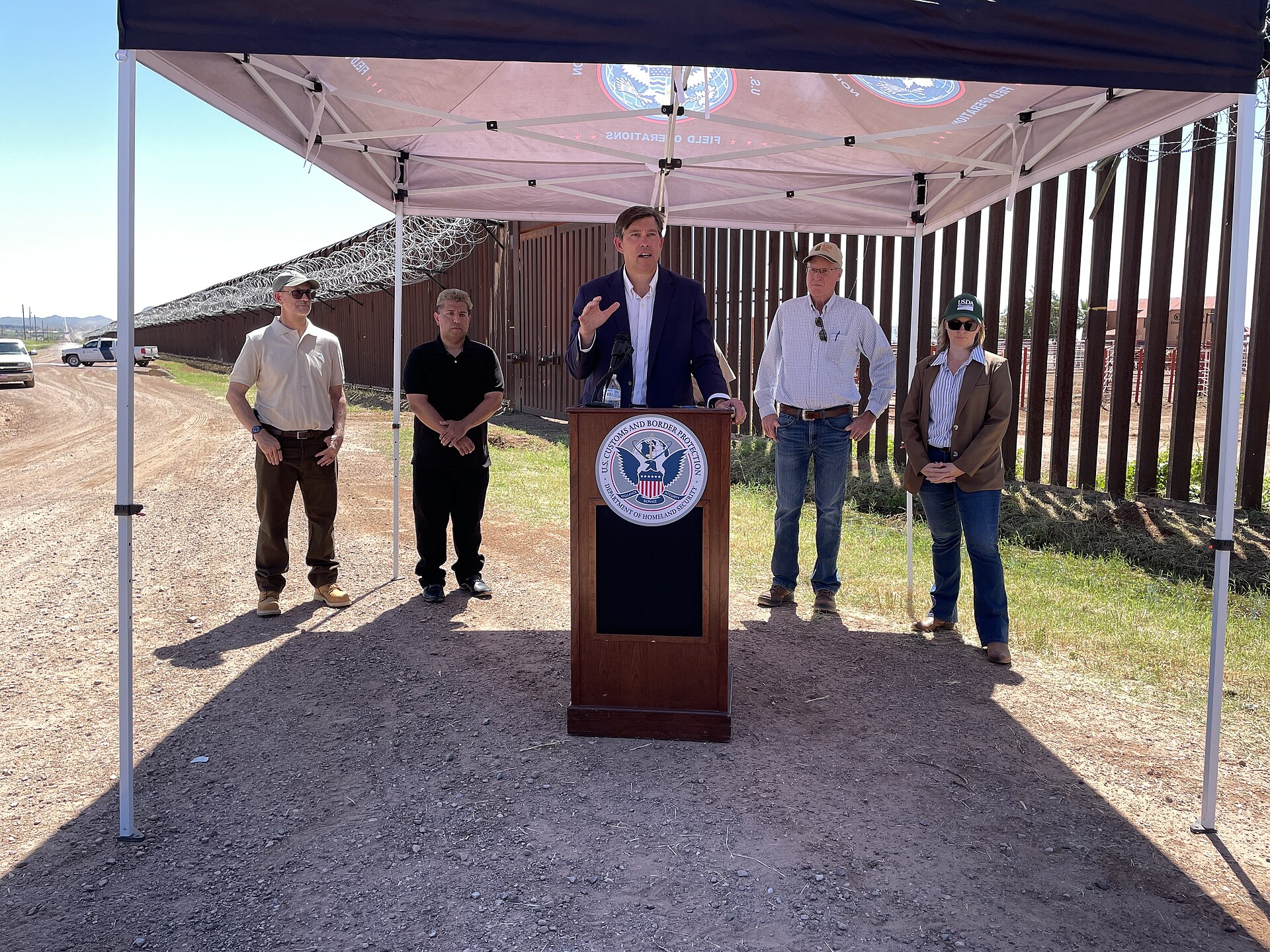
图片来源:图:2026年8月24日,农业部副部长 Hoskins 与动植物卫生检验局(APHIS)负责人在 Arizona 州 Douglas 口岸介绍防范新世界螺旋蝇的多层检验规程,该口岸当天恢复自墨西哥进口牛只。照片:Lance Cheung 摄,美国农业部(USDA),公共领域,经 Wikimedia Commons 发布/On August 24, 2026, USDA Under Secretary Hoskins joined APHIS leadership at the Douglas, Arizona port of entry to spotlight the multi-layered inspection protocols against New World screwworm as the port reopened to cattle imports from Mexico. Photo by Lance Cheung, U.S. Department of Agriculture, public domain, via Wikimedia Commons
- 2026-10-18 12:14新世界螺旋蝇重现美国南部 农业部投7.5亿美元在德州Edinburg建不育蝇工厂 2027年春投产
- 2026-10-20 20:12跟进:农业部继续分阶段重开南部边境口岸 Columbus 10月26日恢复自墨西哥进口牛只本篇
- 2026-10-21 19:50跟进:德州 Pecos County 一头麋鹿检出新世界螺旋蝇 为美国野生动物首例
- 2026-10-22 01:39跟进:新墨西哥州 Otero County 一头肉牛确诊新世界螺旋蝇:事发地周边划设至少20公里感染区
- 2026-10-23 10:39跟进:德州调整新世界螺旋蝇疫区 12.A区部分区域解除牲畜与宠物移动限制